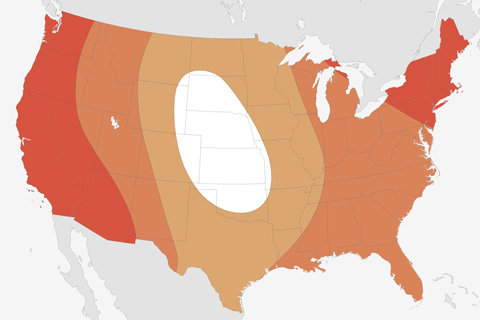
Most of the continental United States is facing elevated chances of well above average summer temperatures, according to the latest outlook from NOAA’s Climate Prediction Center.
Most of the continental United States is facing elevated chances of well above average summer temperatures, according to the latest outlook from NOAA’s Climate Prediction Center.
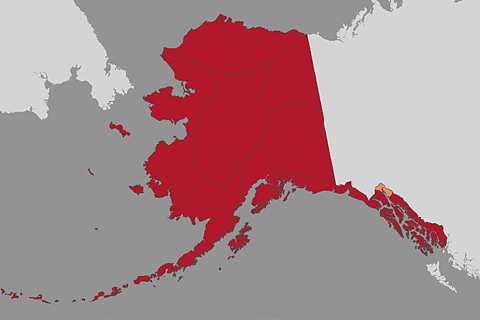
Alaska’s statewide warming rate of +5.3°F per century since 1950 is faster than any other state in the Union, by a comfortable margin. In our latest Beyond the Data blog, NCEI's Deke Arndt talks about how the interplay between climate and landscape and the soil itself put the Last Frontier on the front lines of climate change.
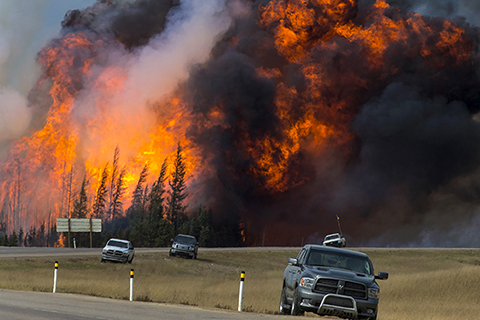
One reason the Fort McMurray area was at high risk for an early-season forest fire was that April snow cover was well below average in much of western North America.
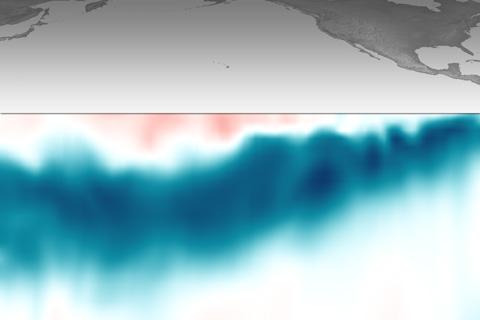
Beneath the surface of the tropical Pacific, a deep pool of cool water has been sliding slowly eastward. This massive, slow-motion wave is a favorable sign that La Niña might develop.
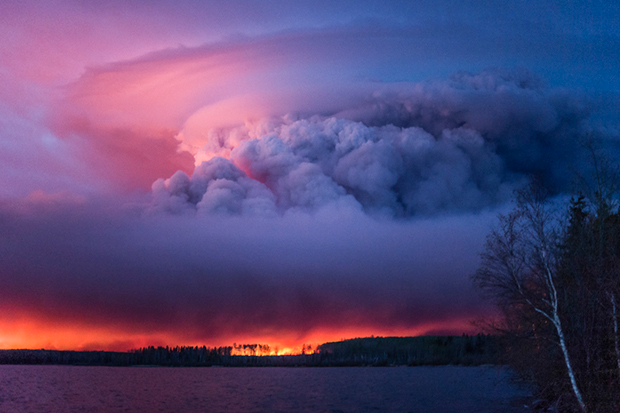
A massive wildfire in northern Alberta has grown out of control, causing the evacuation of Fort McMurray, a city of 80,000 people. What climate conditions fostered this unusual early-season fire?
Forecasters place the odds of La Niña developing by the fall at 75%. We'll dig into the thinking behind this forecast, as well as some fun facts about La Niña.
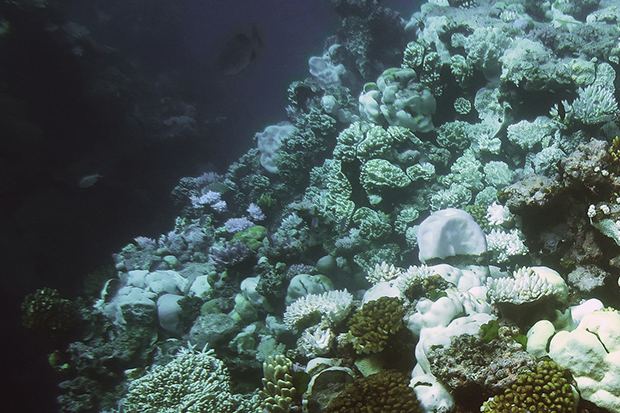
Unusually warm water along Australia's Great Barrier Reef has led to record-breaking coral bleaching.
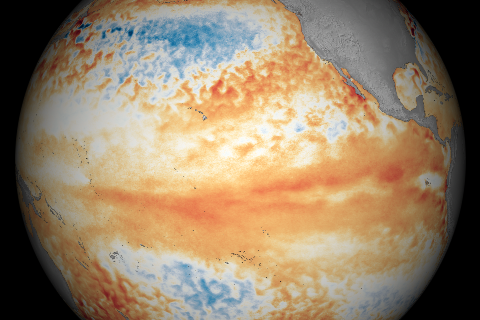
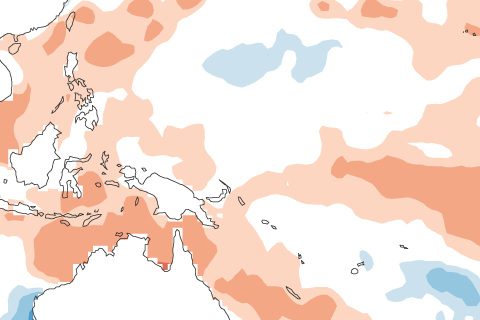
Compared to March, parts of the tropical Pacific showed signs of cooling off in April 2016.
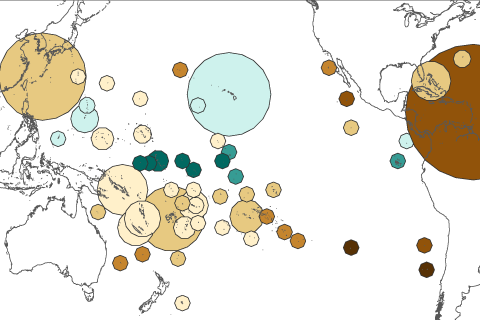
Based on rainfall changes alone, half of the island groups in a recent study were projected to get drier by the end of the century. When scientists also accounted for more evaporation due to rising temperatures, nearly three-quarters of the islands studied were projected to face freshwater stress.
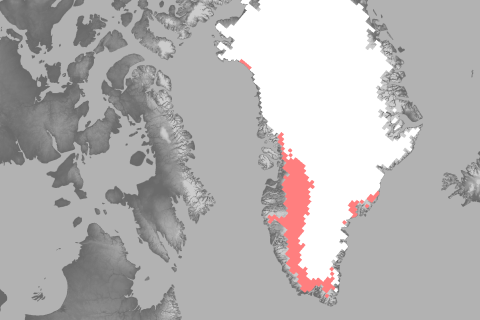
Every summer, Greenland's ice sheet melts when temperatures warm up. This year, however, saw the start of the ice melt season begin in April, much earlier than normal.