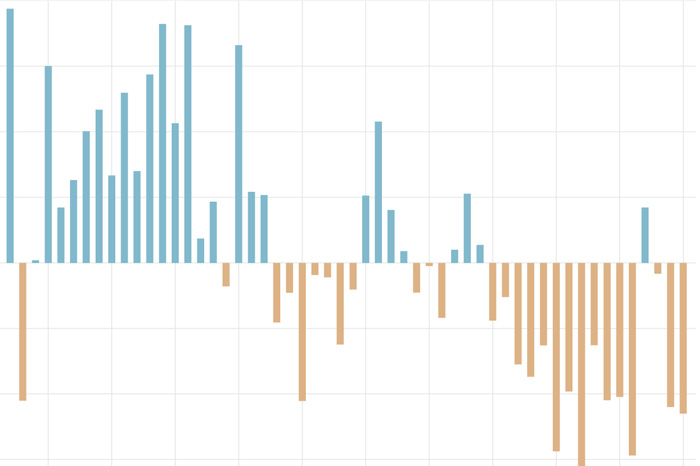
For the ninth year in a row, late spring snow cover was below average in 2026.
For the ninth year in a row, late spring snow cover was below average in 2026.
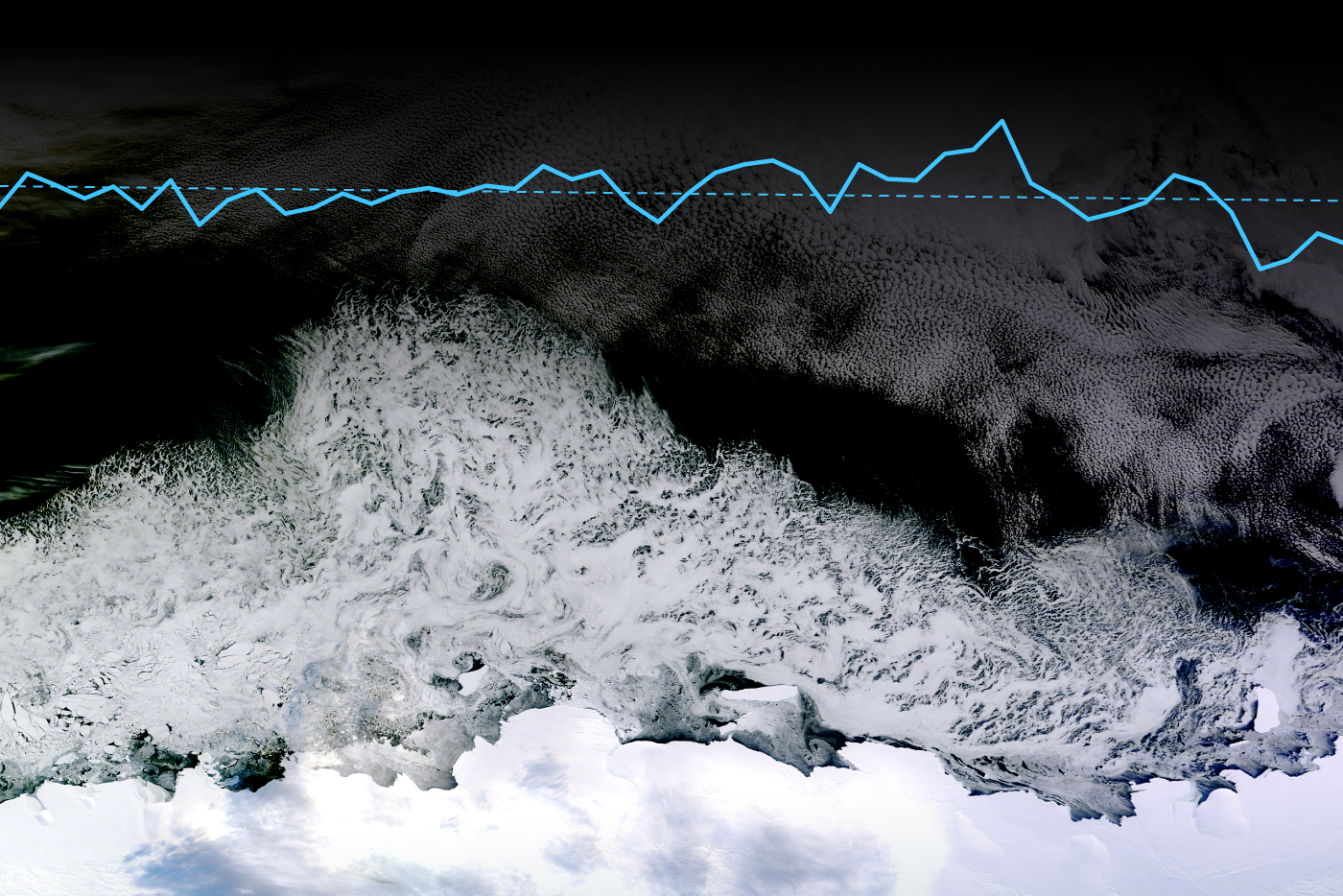
Antarctic sea ice probably reached its winter maximum extent on September 14, 2026. At 17.59 million square kilometers (6.79 million square miles), the 2026 annual maximum is third lowest in the satellite record.
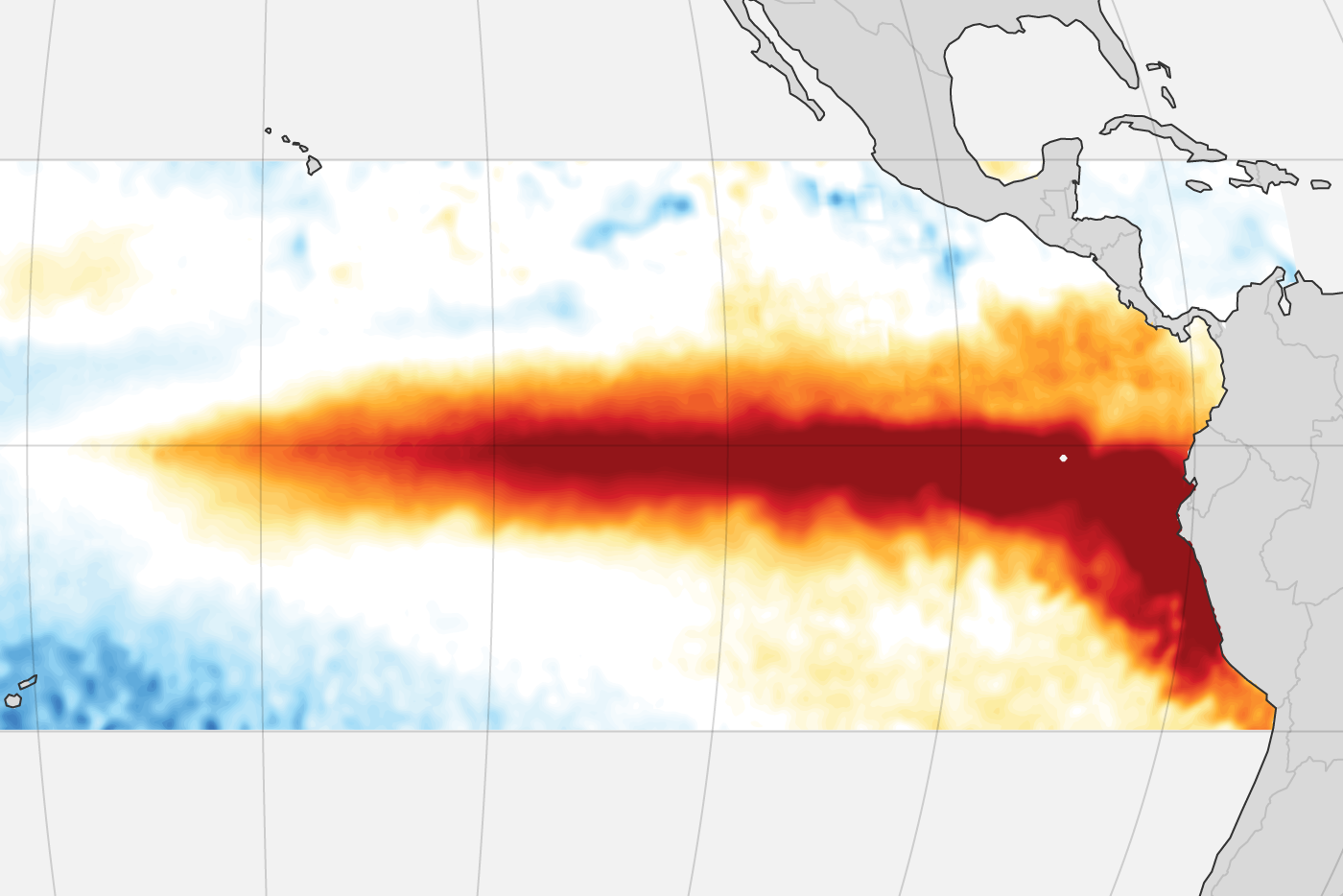
For many U.S. coastal areas, this El Niño may bring high-tide flooding that provides a glimpse of the routine impacts from sea level rise in coming decades.
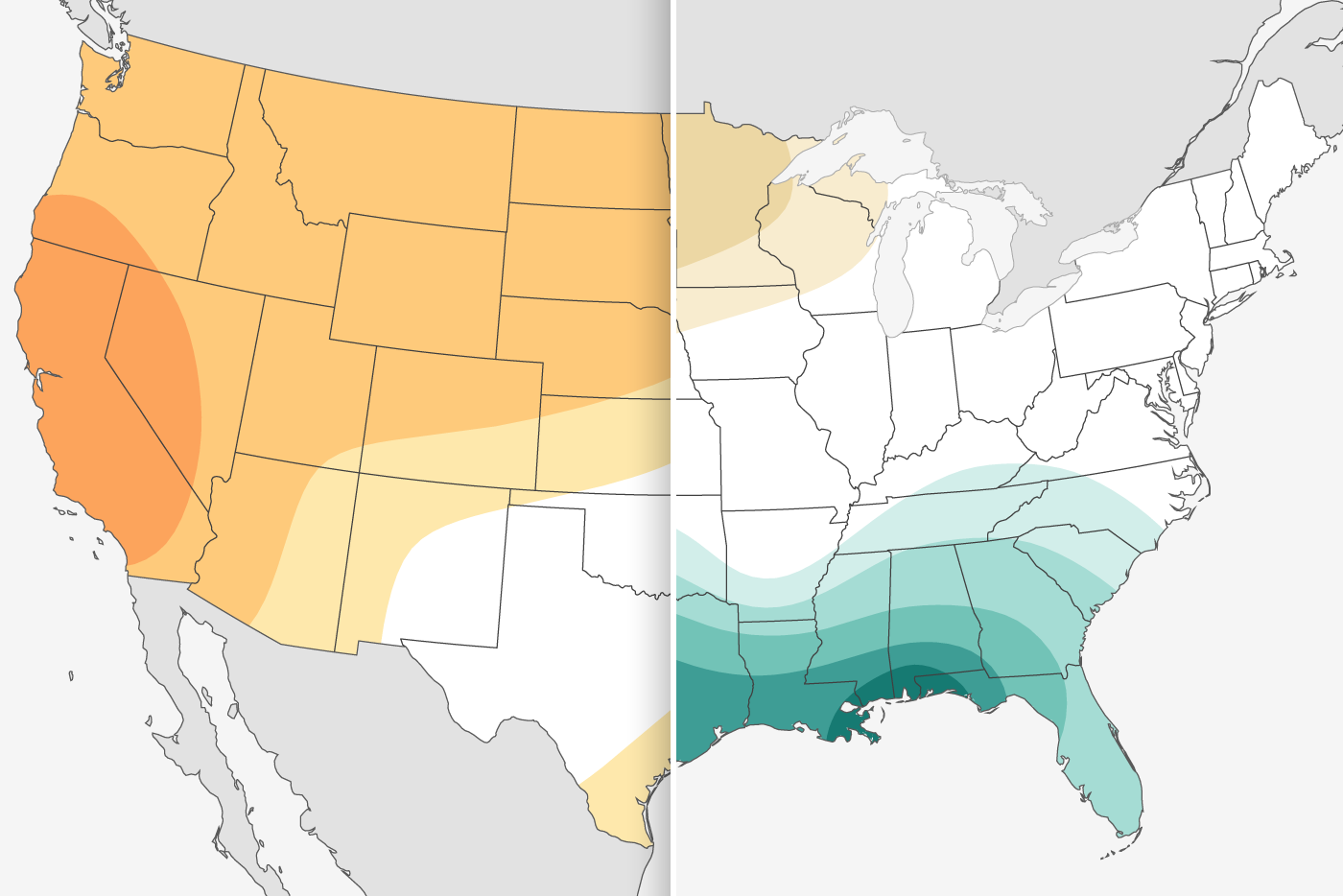
Mild and dry favored for the West; warm and wet for the Gulf and the Southeast.
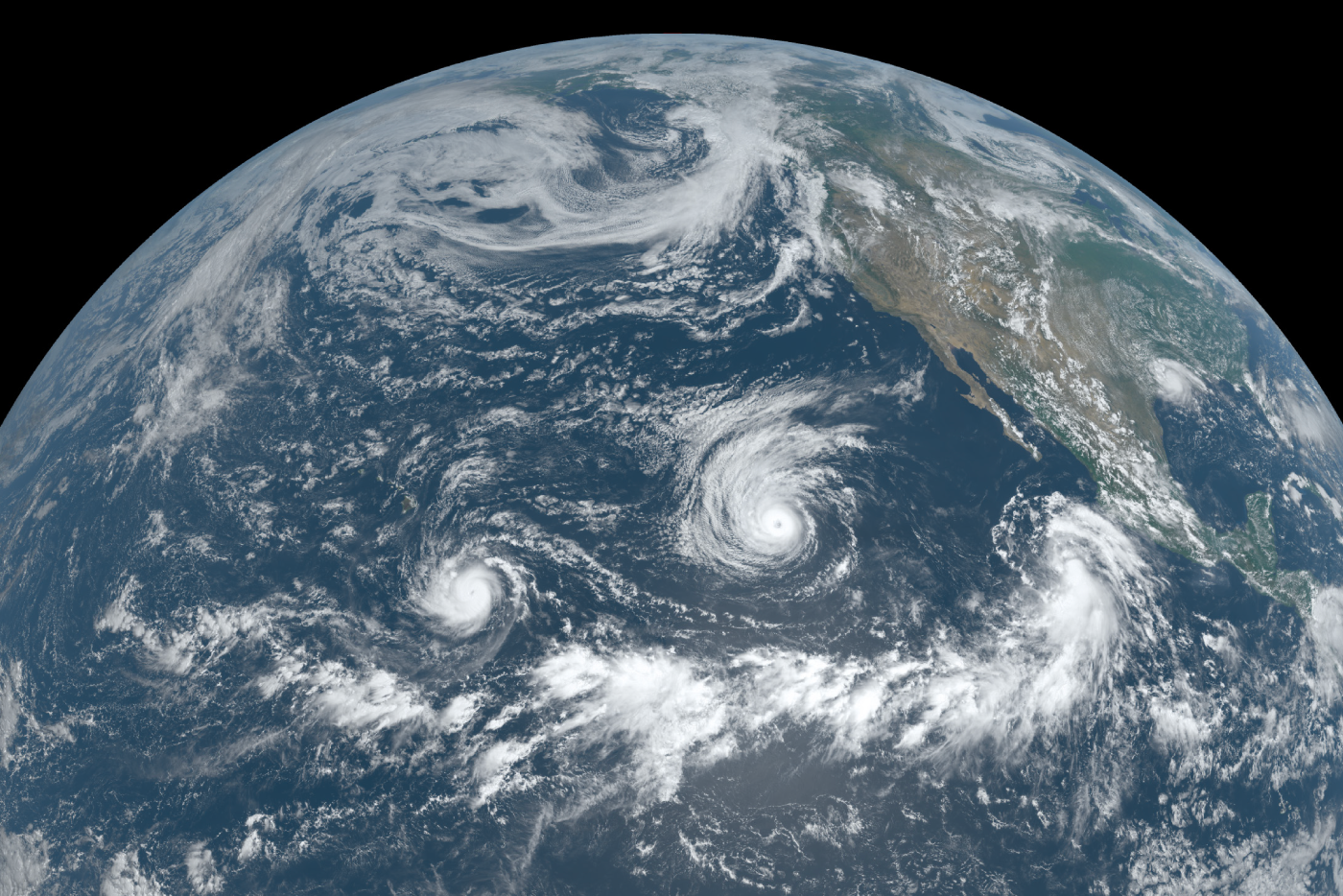
El Niño is having its typical influence on 2026 seasonal hurricane activity in both the northeast Pacific and Atlantic basins.
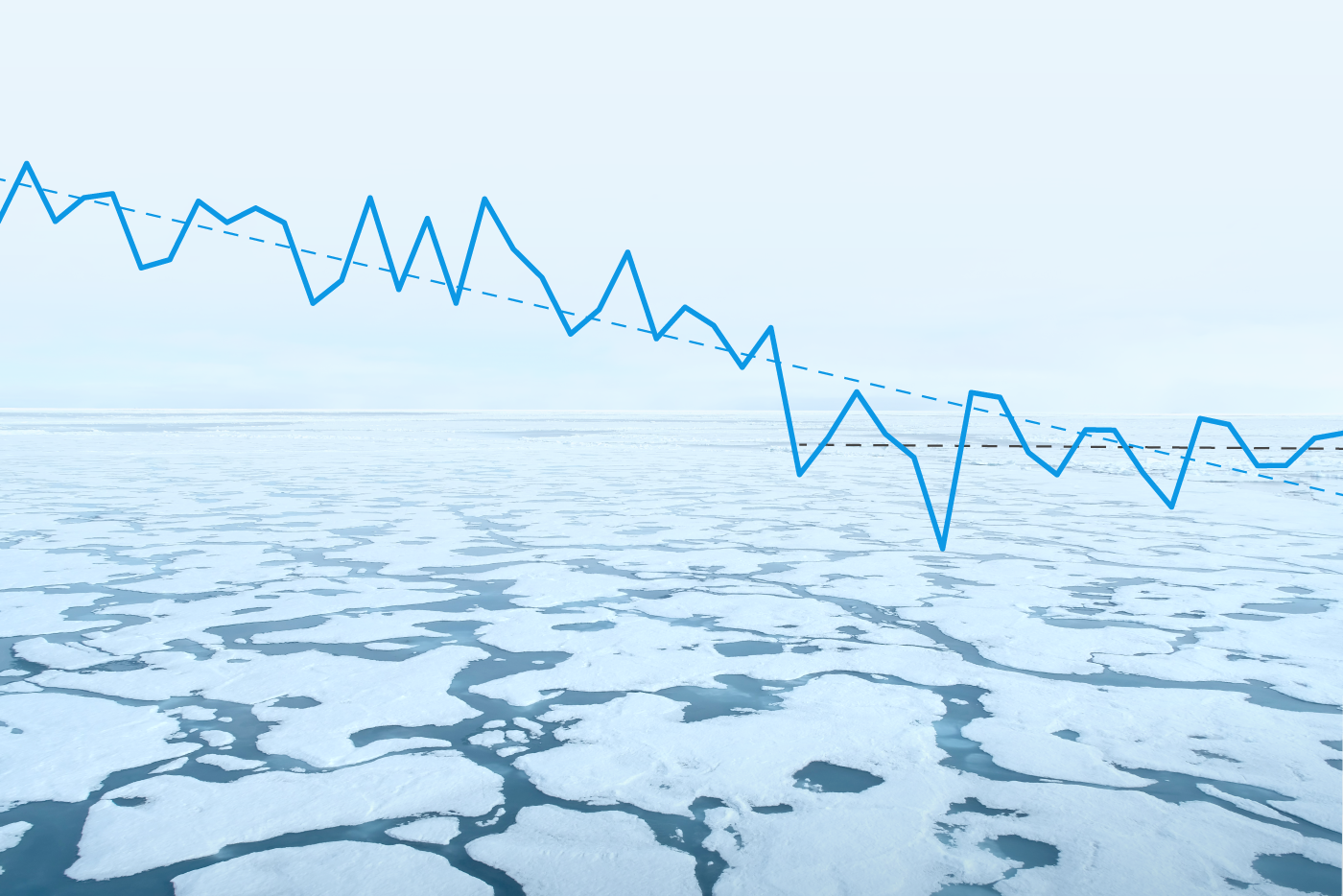
Arctic sea ice likely reached its annual minimum extent on September 12, 2026. At 4.60 million square kilometers (1.78 million square miles), the 2026 minimum extent is statistically tied for tenth lowest in the satellite record.

An August photo dump of images that explain NOAA’s September 2026 El Niño forecast.
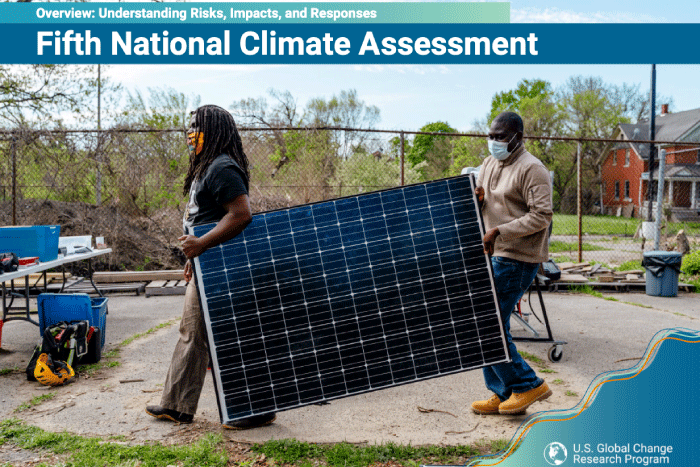
Former executive director of the U.S. Global Change Science Program and several colleagues describe the rigor of the process that produced NCA5.
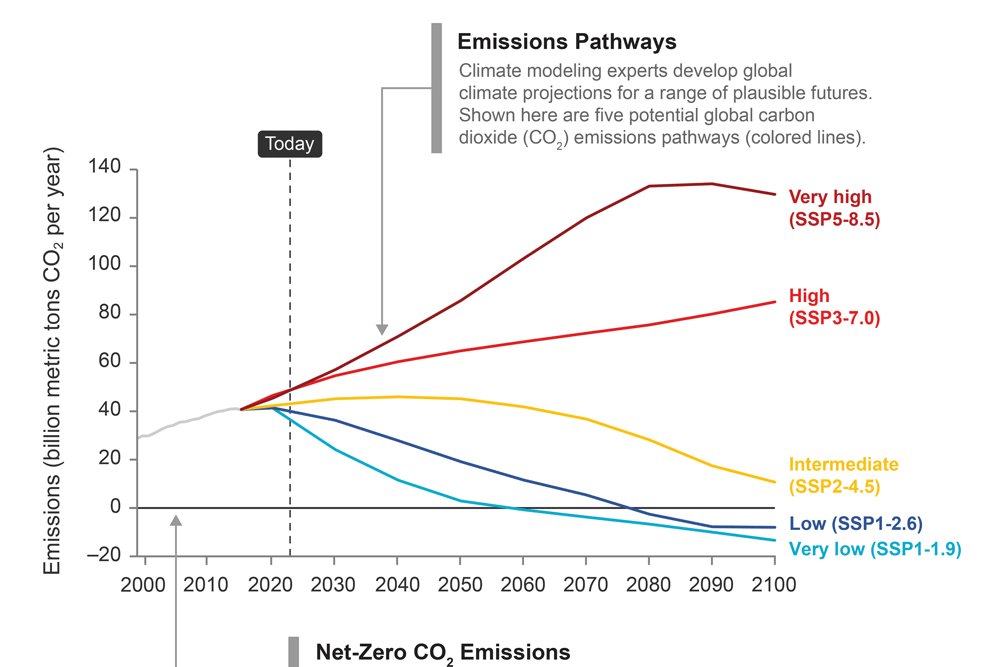
Experts question the need for the proposed amendment, its scientific objectivity, and whether it complies with the strict rules and procedures that are supposed to guide federal government production of “Highly Influential Science Assessments.”
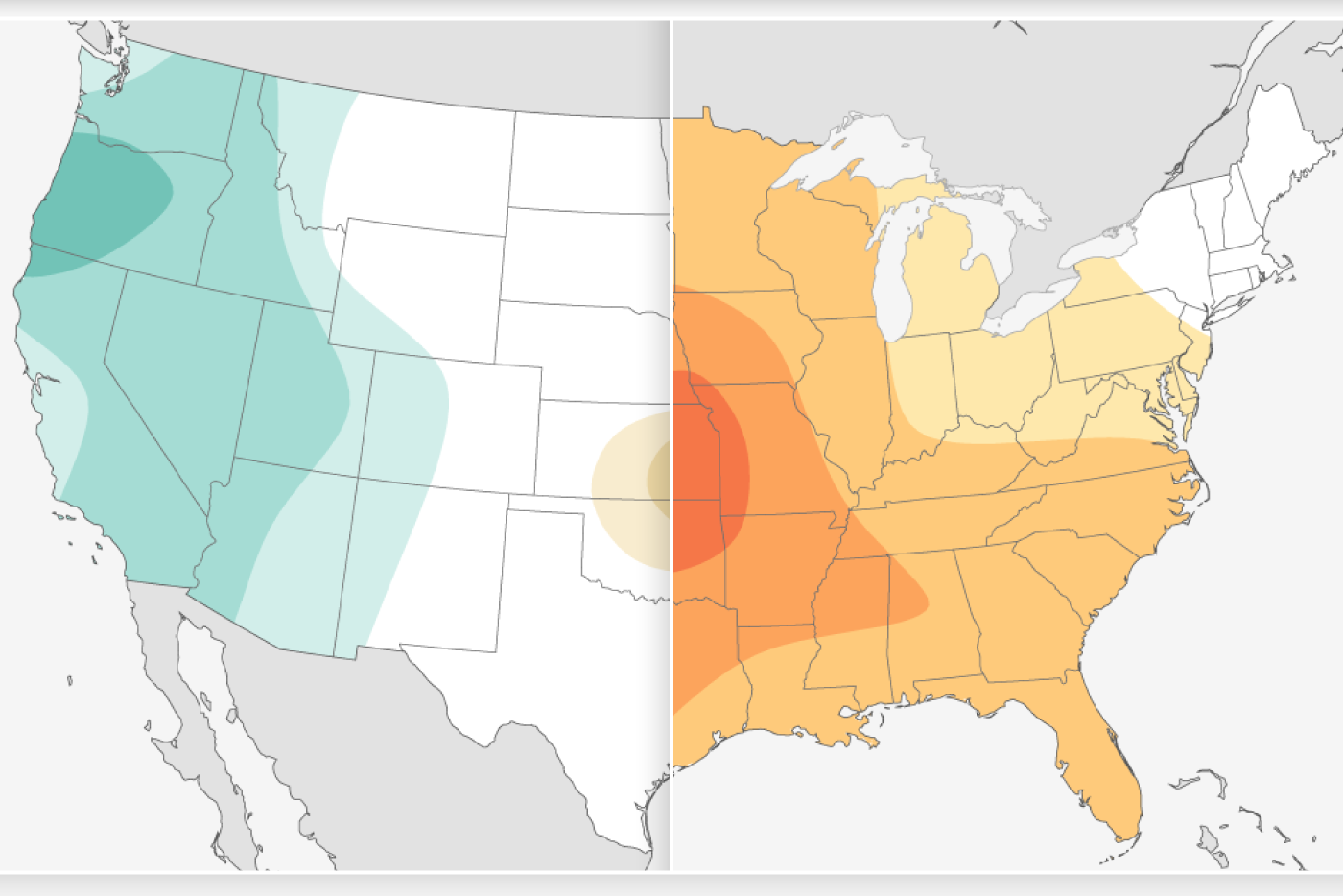
Warmth favored for most of the country, with a little good news for the dry West.