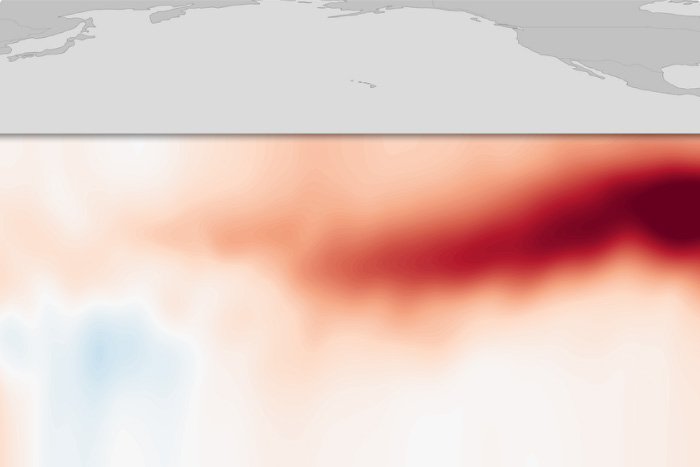
Watch heated water accumulate below the surface of the tropical Pacific as last summer's La Niña gave way to this summer's El Niño.
Watch heated water accumulate below the surface of the tropical Pacific as last summer's La Niña gave way to this summer's El Niño.
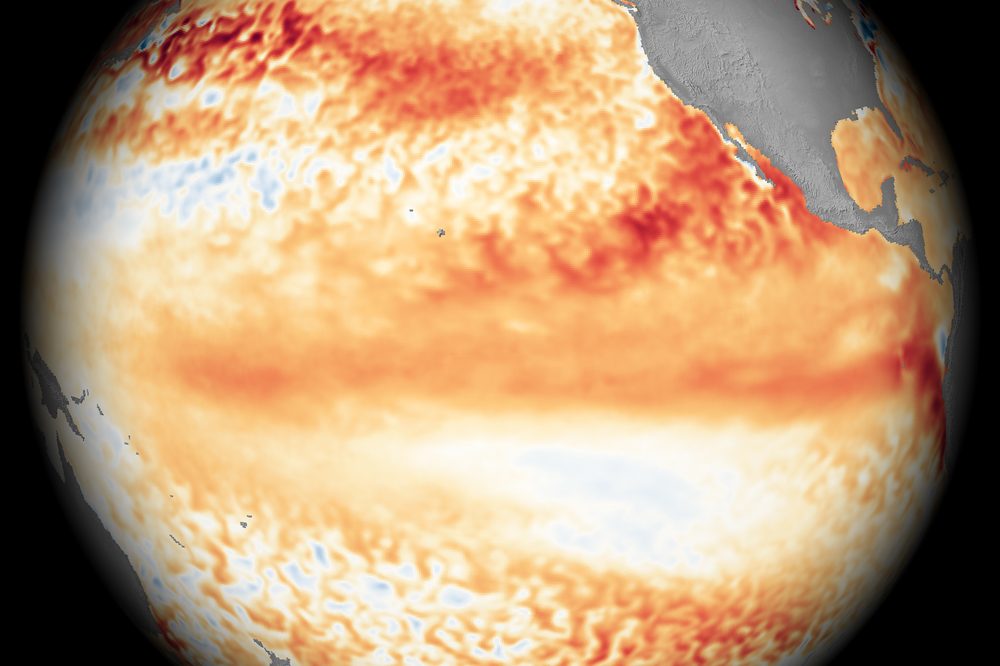
Why she's leery of the term 'super El Niño,' what could still derail the strength of the current event, and why NOAA has adopted a new approach to tracking El Niño and La Niña.
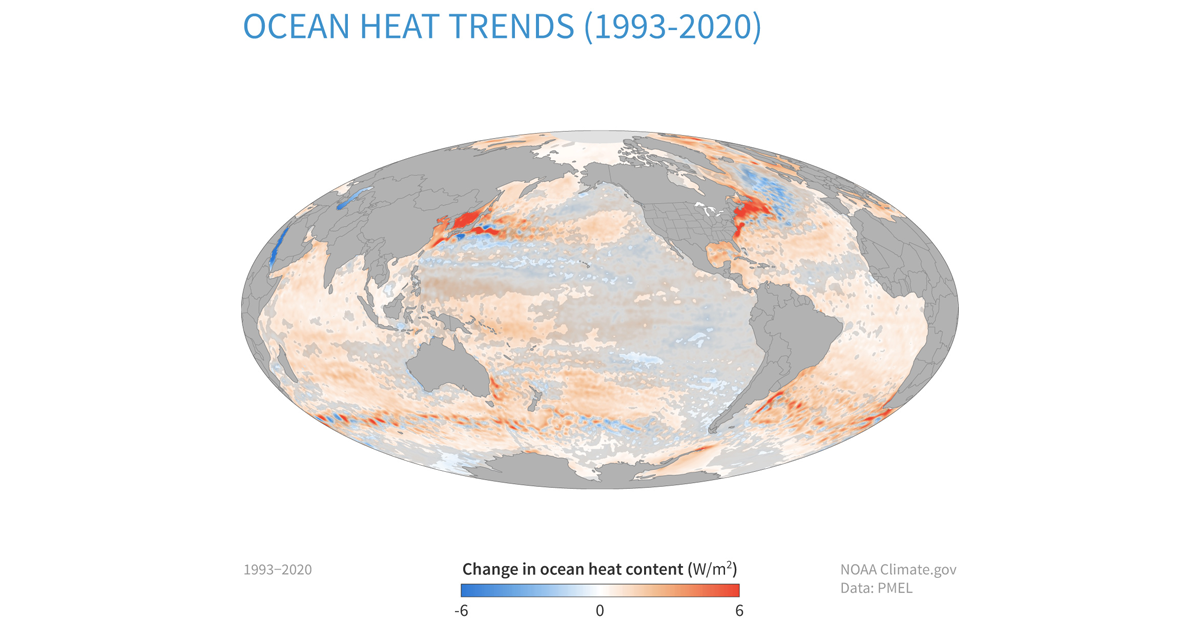
From football games to concerts, planning for outdoor events increasingly demands a strategy for reducing heat-related risks.
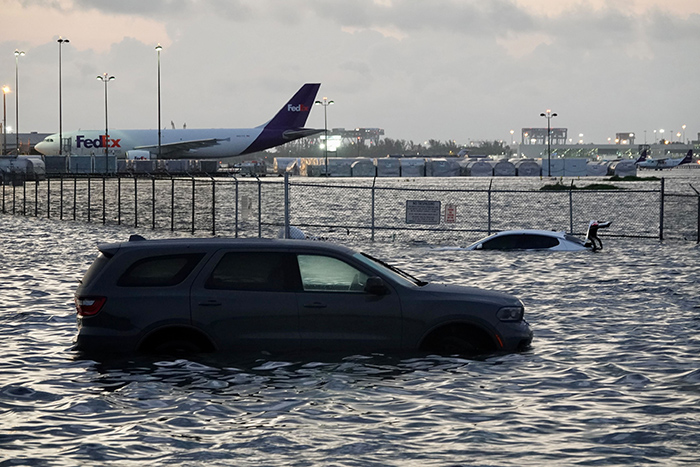
NOAA and NOAA-funded researchers are looking at extreme rain events from many different angles to identify new sources of predictability. The goal is to one day be able to predict such events weeks or months in advance.
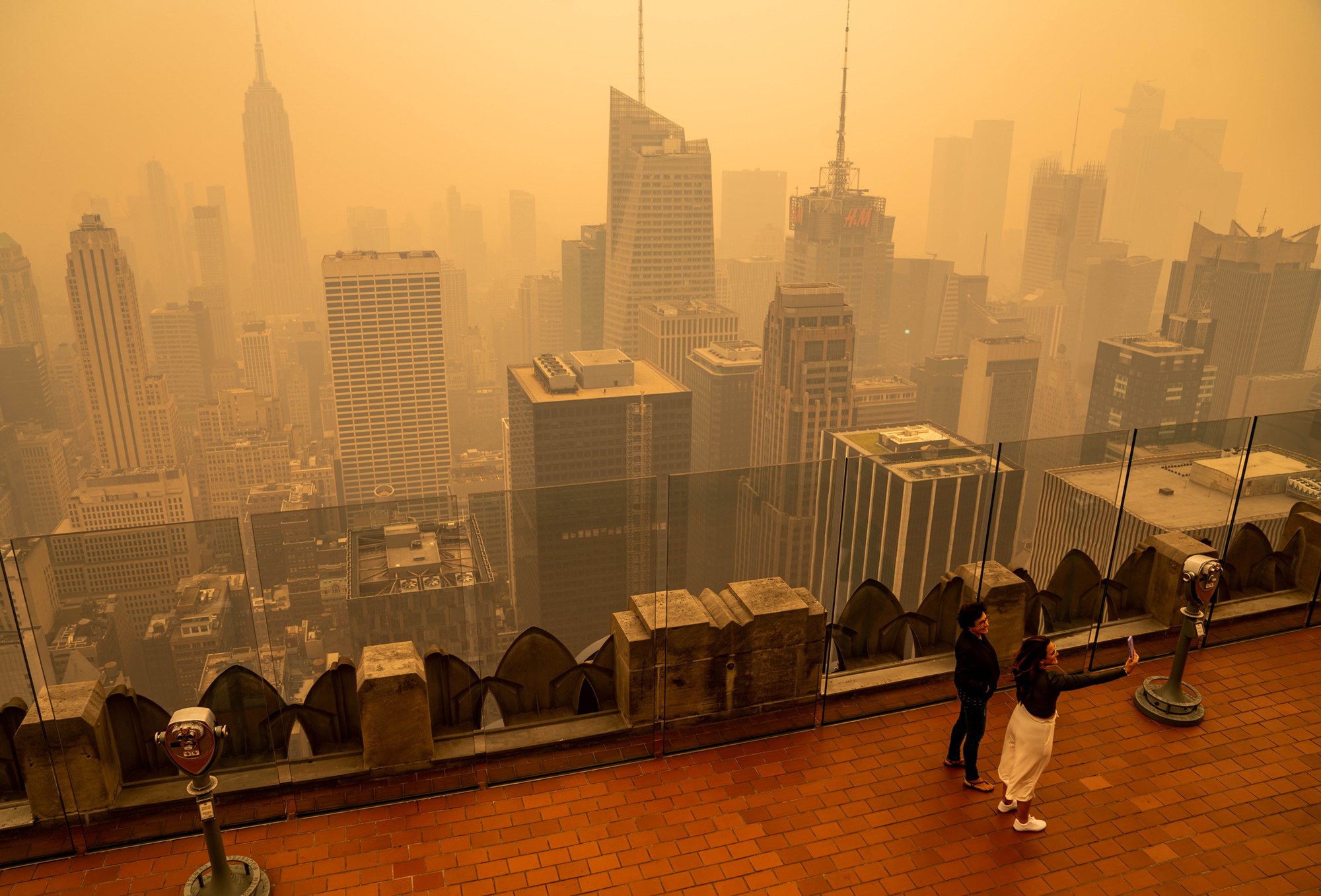
Wildfire smoke can cause air pollution in locations thousands of miles downwind. Health experts need to know what's in the smoke people are breathing—especially smoke from fires that burn into urban areas and ignite synthetic materials.

In the medical community's heroic response to the COVID pandemic, one doctor saw a model for responding to the climate crisis.
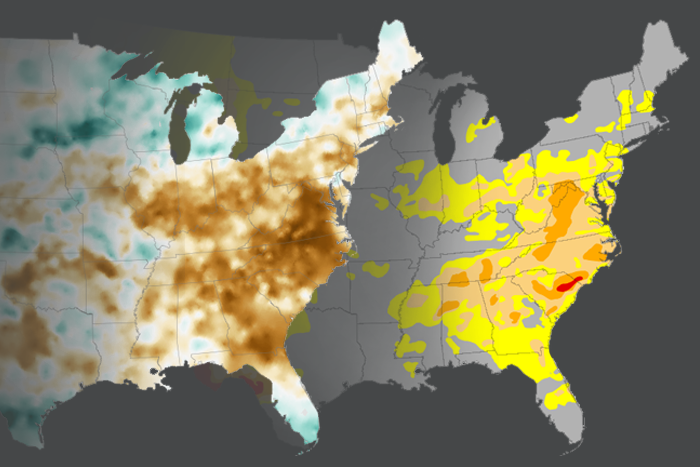
Record-breaking heat waves impacted tens of millions of people in several parts of the country.
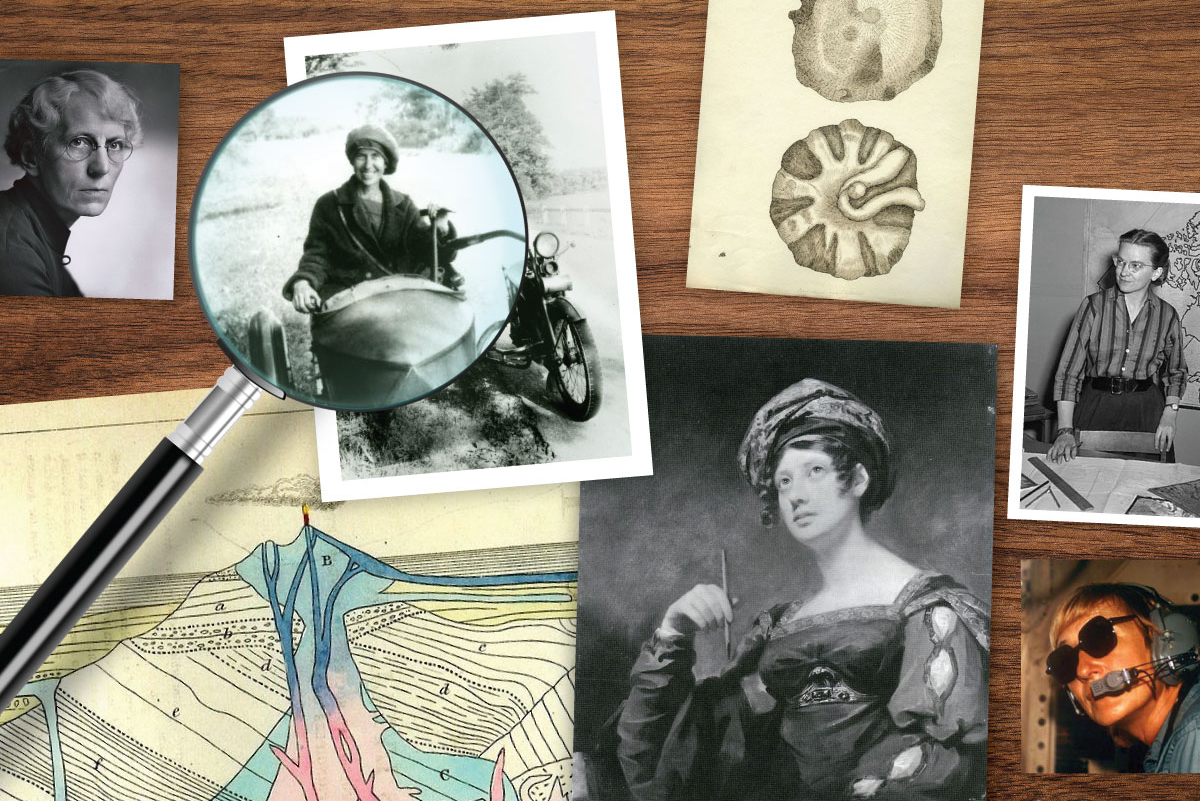
For Women’s History Month, Climate.gov takes a brief look at some early women working in Earth and climate science.
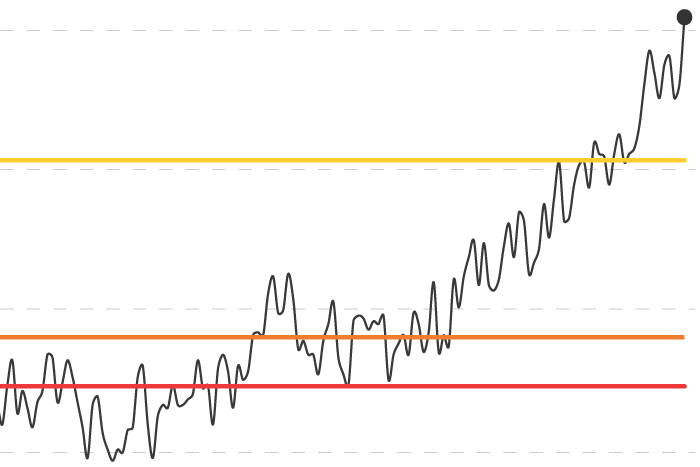
Global average temperature was more than 1.5 degrees Celsius warmer than the pre-industrial average for several months in late 2023. That doesn't mean we've already breached the goals of the Paris Climate Agreement.
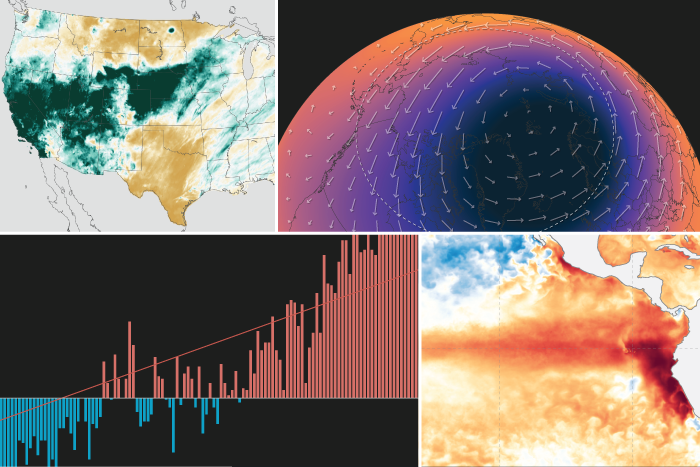
Before 2023 officially wraps up we want to highlight some of the climate related stories, maps, and graphs that we brought you over the past year.