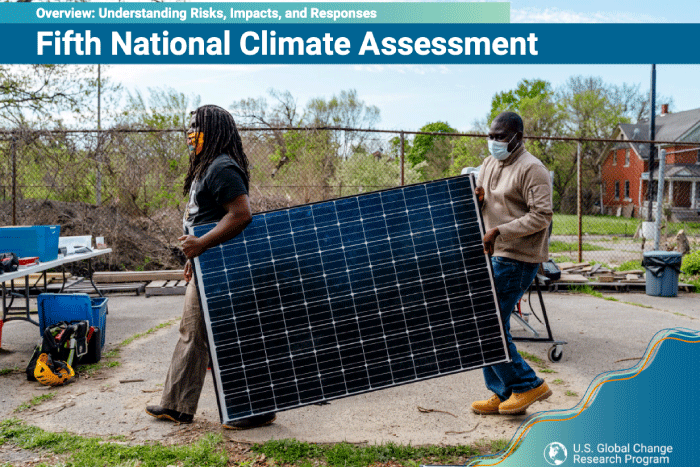
Former executive director of the U.S. Global Change Science Program and several colleagues describe the rigor of the process that produced NCA5 and
Former executive director of the U.S. Global Change Science Program and several colleagues describe the rigor of the process that produced NCA5 and
Experts question the need for the proposed amendment, its scientific objectivity, and whether it complies with the strict rules and procedures that are supposed to guide federal government production of “Highly Influential Science Assessments.”
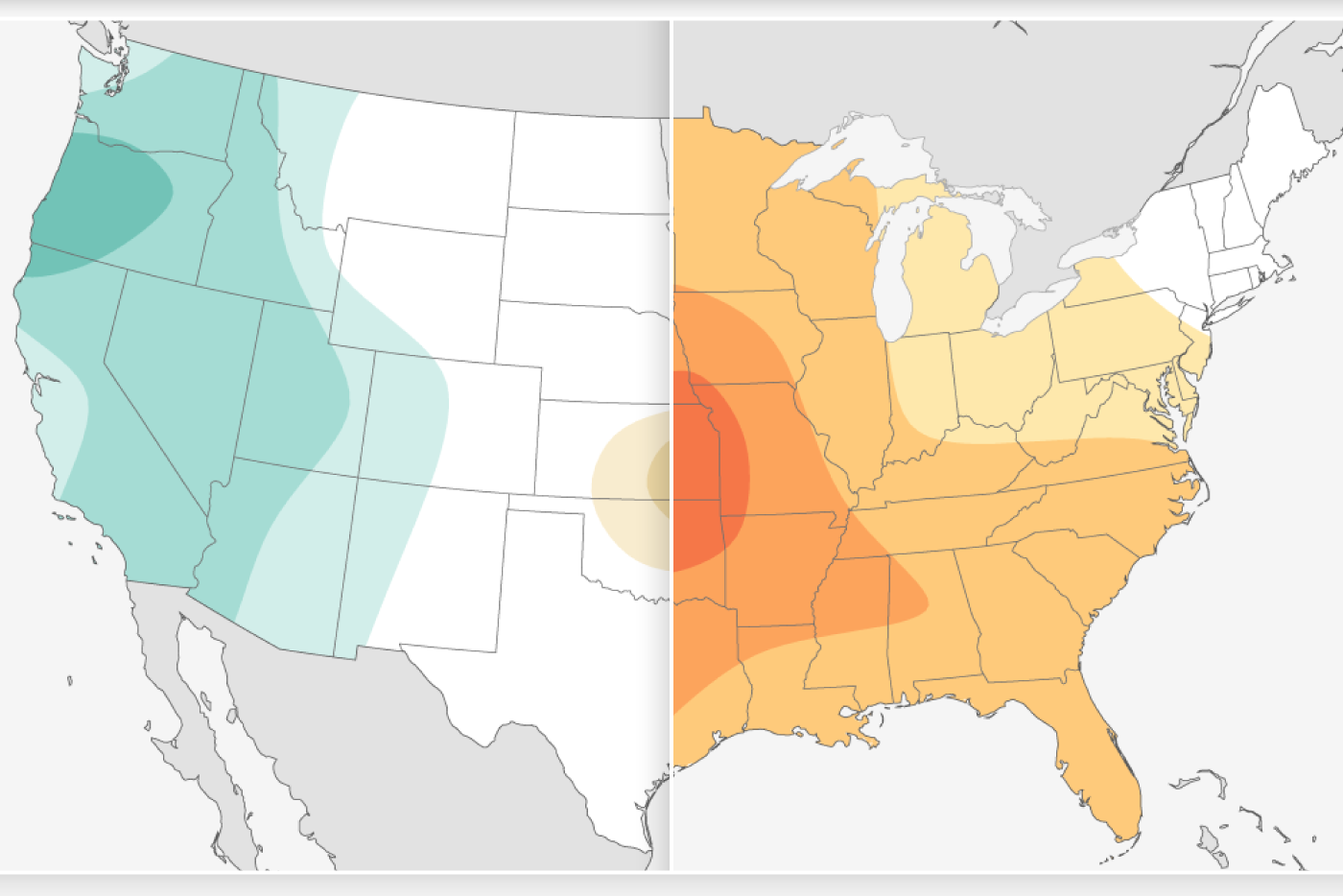
Warmth favored for most of the country, with a little good news for the dry West.
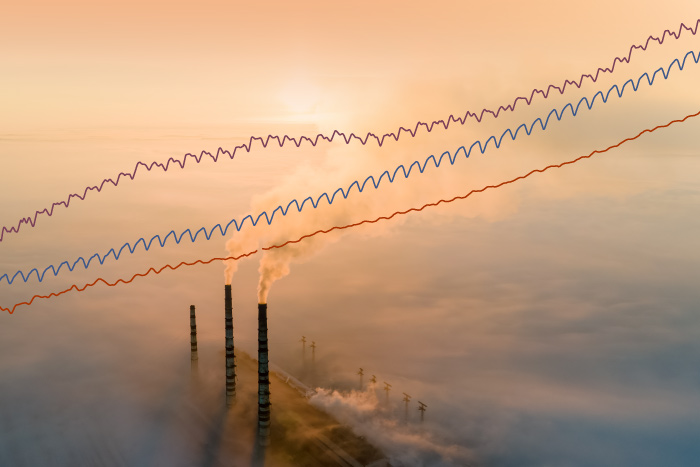
International report confirms record-high greenhouse gases, global sea level, and ocean heat in 2025.
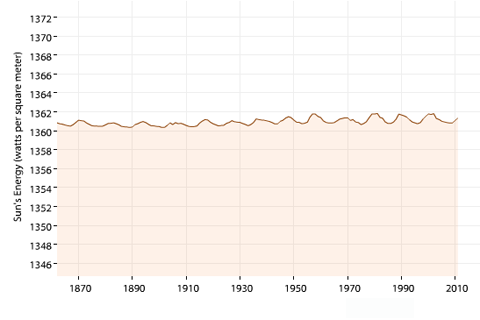
The Sun's average brightness varies over time, and the changes can affect global surface temperature. But long-term changes over the period of human-caused global warming are minimal.
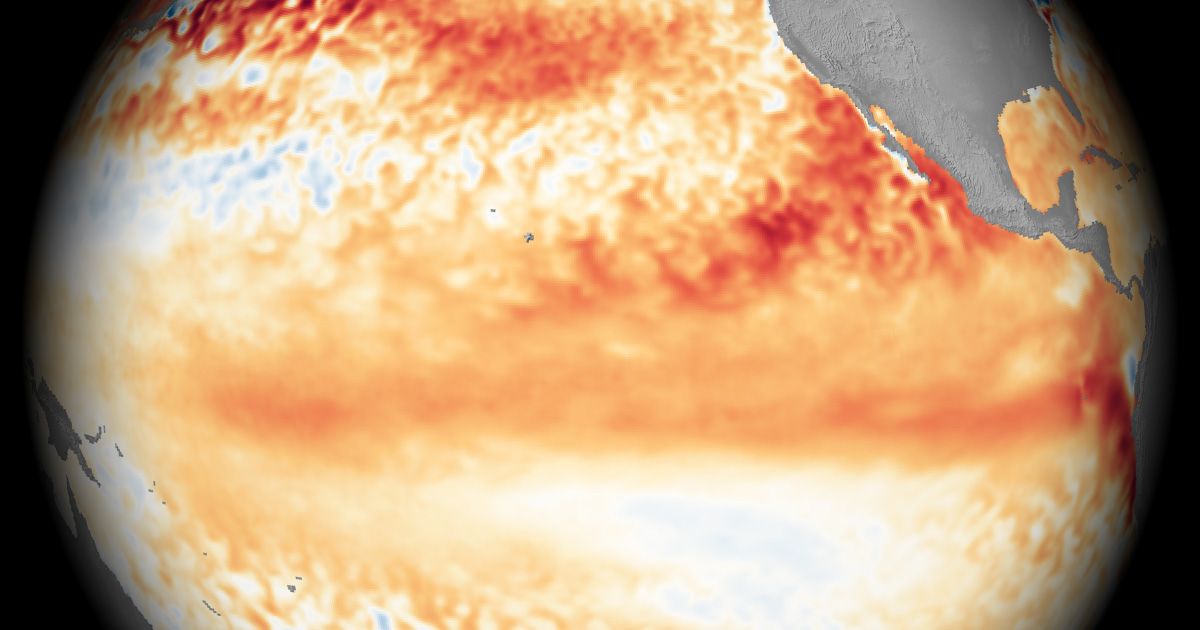
Free to good home! Almost all Climate.gov and Climate.us images are free for re-use. This page gathers up links to our most popular El Niño and La Niña images.
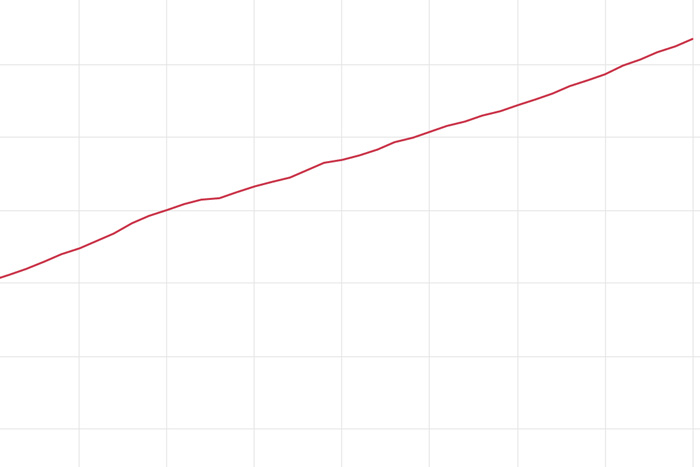
As of 2024, the warming effect of long-lived greenhouse gases in Earth's atmosphere had increased by 54% compared to 1990. Relative to pre-industrial times, today's atmosphere absorbs 3.54 extra Watts of heat energy per square meter.
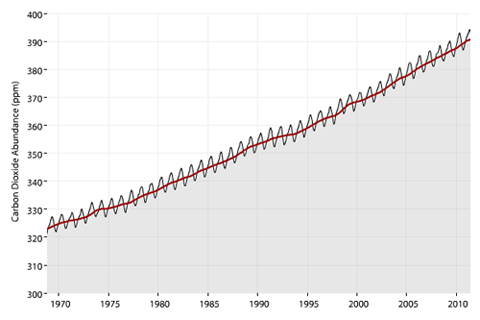
In the past 60 years, carbon dioxide in the atmosphere has increased 100-200 times faster than it did during the end of the last ice age.
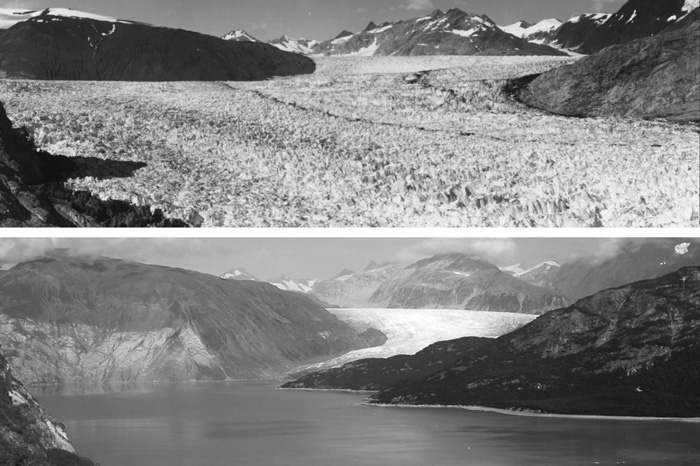
Present since the last ice age, most of the world's glaciers are now shrinking or disappearing altogether as the climate gets warmer.
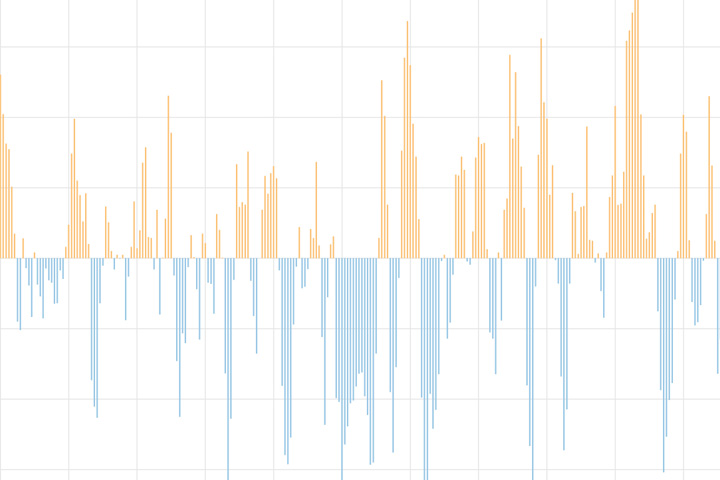
The North Atlantic Oscillation tracks a seesawing of surface pressure between two parts of the North Atlantic. Different phases often bring predictable changes in winds, temperature, and precipitation in the United States and Europe.