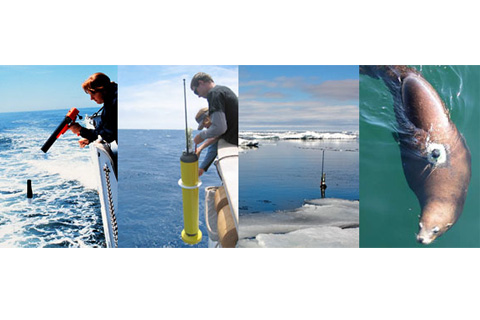
Around 90 percent of the warming that has happened on Earth over the past 50 years has occurred in the ocean. That excess heat is driving sea level rise, reducing sea ice, fueling stronger hurricanes, and stressing ocean life.
Around 90 percent of the warming that has happened on Earth over the past 50 years has occurred in the ocean. That excess heat is driving sea level rise, reducing sea ice, fueling stronger hurricanes, and stressing ocean life.
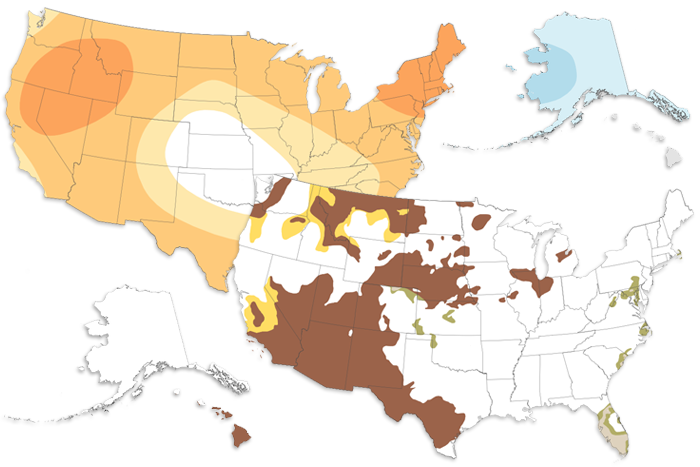
Forecasters think the climate system is poised to bring most of the U.S. a warmer-than-average June, and little drought relief is likely across the West.
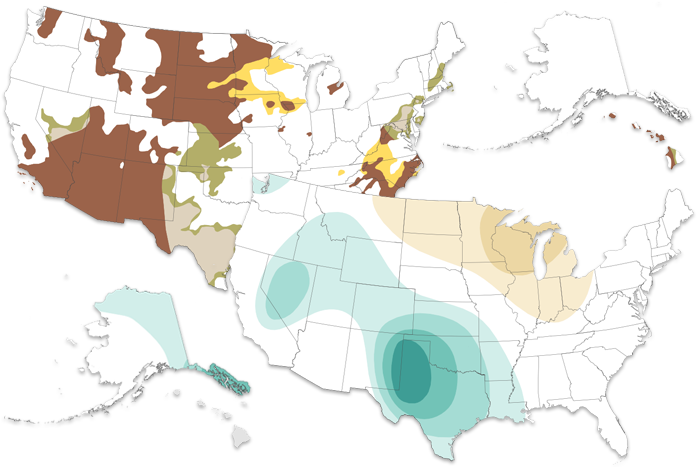
What’s ahead for May, as we draw closer to the start of summer? Here’s what NOAA’s Climate Prediction Center (CPC) expects to occur during the month.
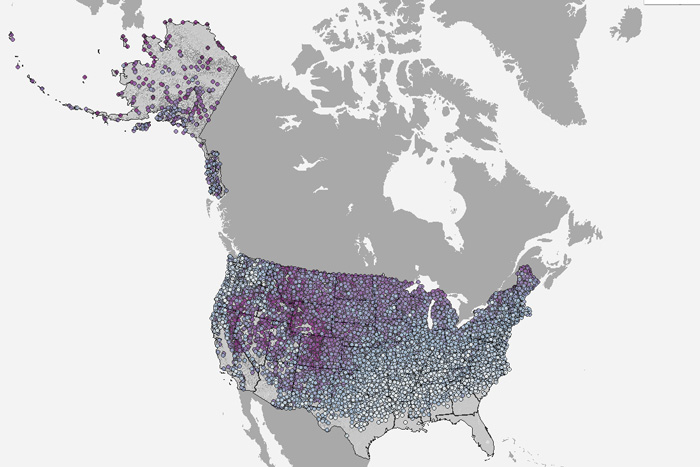
Our interactive map shows the latest date of measurable snow recorded at thousands of U.S. weather stations, based on data through April 11, 2018.
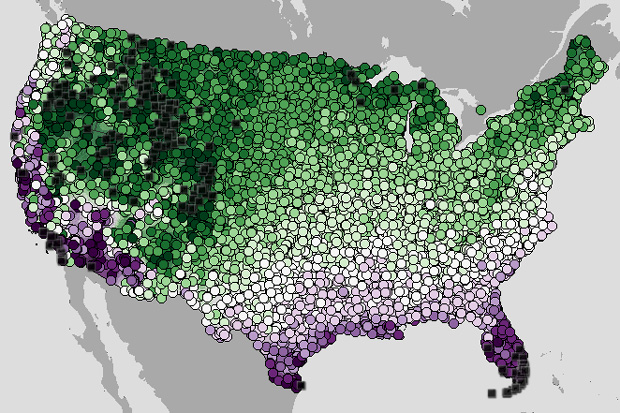
When does the chance of an overnight freeze drop below 50 percent? Explore this map to find out.
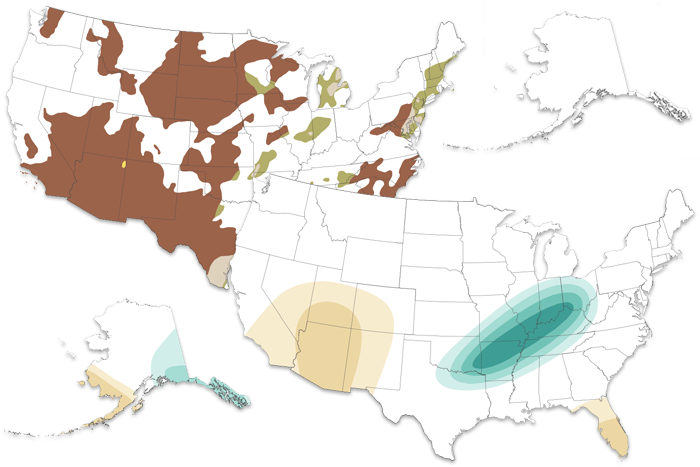
The April outlook favors mild temperatures across the South, a wet month in parts of the Ohio and Mississippi Valleys, and drought persistence in the West.
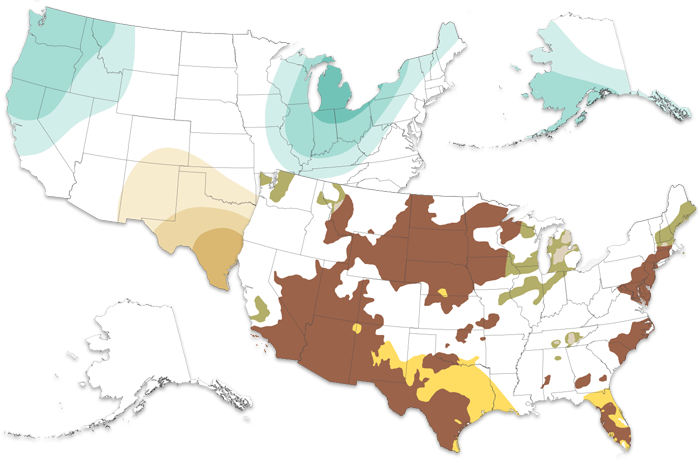
The March outlook favors a La Niña-like precipitation pattern and mild temperatures across much of the country.
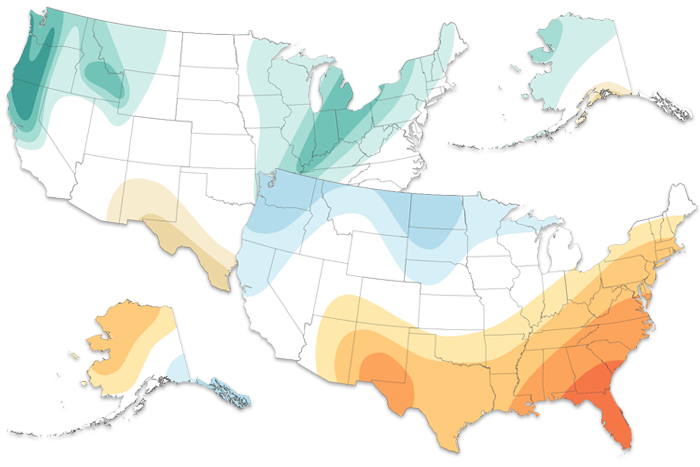
La Niña's fingerprints are on the February climate outlook for the United States, but what other factors are at play?
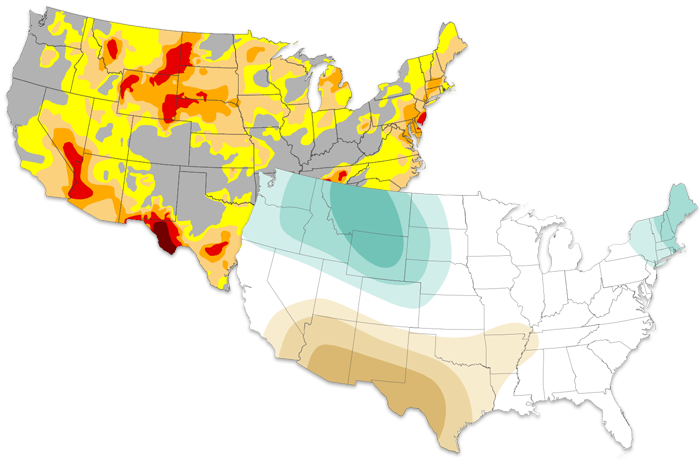
Models and other forecasting tools favor a warm West/cool East temperature split in January along with a wet Northwest/dry Southwest precipitation split.
Among the changes, the Arctic tundra is now releasing more carbon dioxide to the atmosphere than it stores.