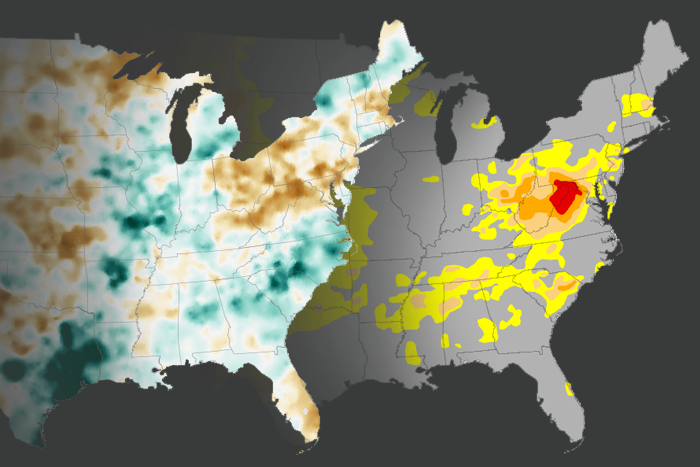
Record precipitation, tornadoes, hurricanes, and wildfires impacted the U.S.; four new billion-dollar weather and climate disasters were confirmed in July.
Record precipitation, tornadoes, hurricanes, and wildfires impacted the U.S.; four new billion-dollar weather and climate disasters were confirmed in July.
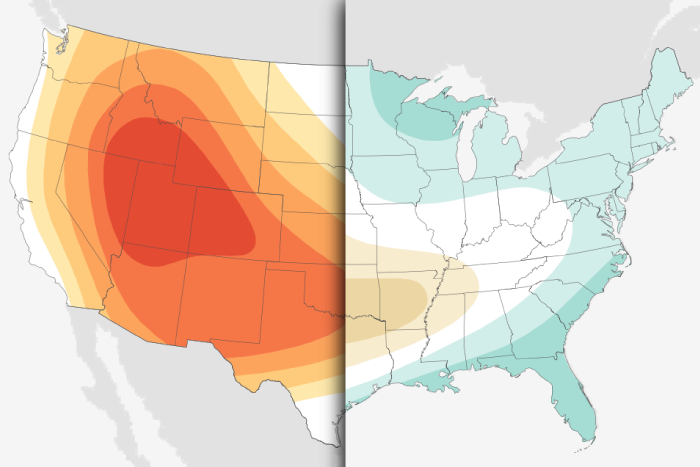
Warmer-than-normal conditions are favored across the U.S. for the last month of meteorological summer. Rain in the East could alleviate drought.
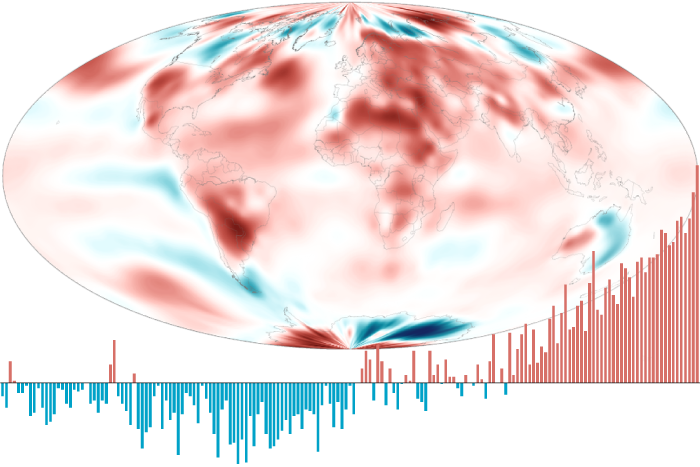
Global temperatures were record warm for the 13th consecutive month, tying for the longest record-warm global temperature streak on record.
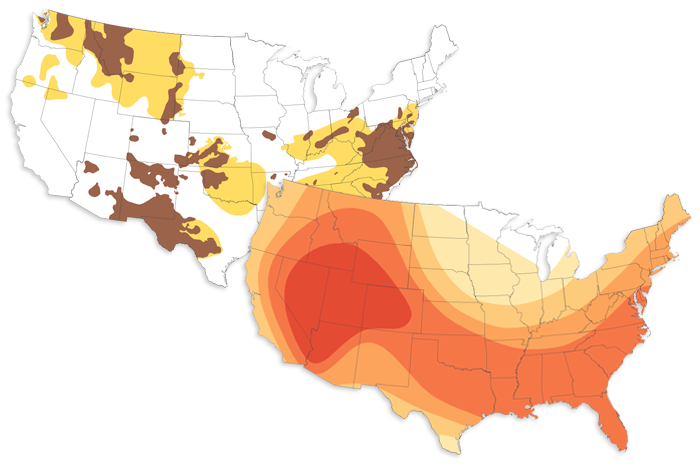
Across the United States, only Alaska has higher-than-average odds of a cool July. Elsewhere, July is favored to be much warmer than average. That heat forecast plays a big role in expectations for significant drought expansion this month.
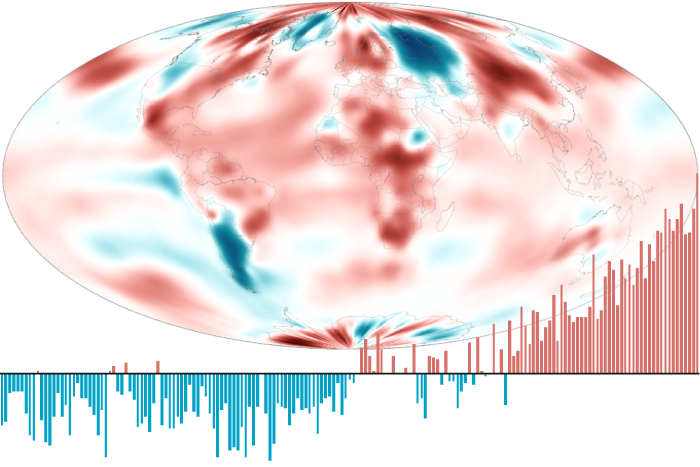
Global temperatures were record warm across both land and ocean in May, capping off the warmest spring on record.
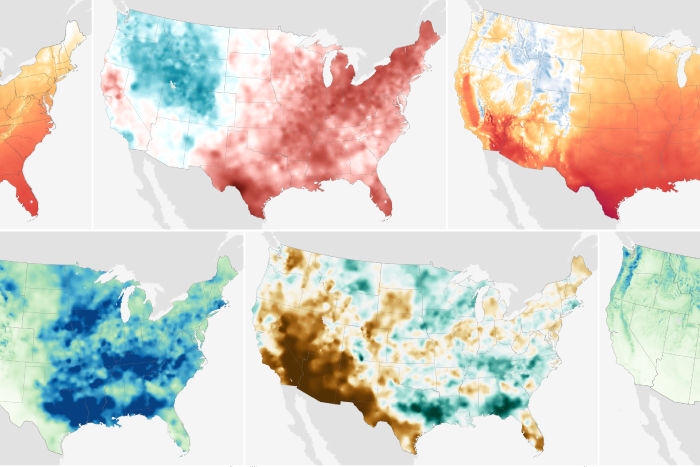
Several rounds of severe storms devastated the Midwest and Great Plains. Four new billion-dollar weather and climate disasters were confirmed in May.
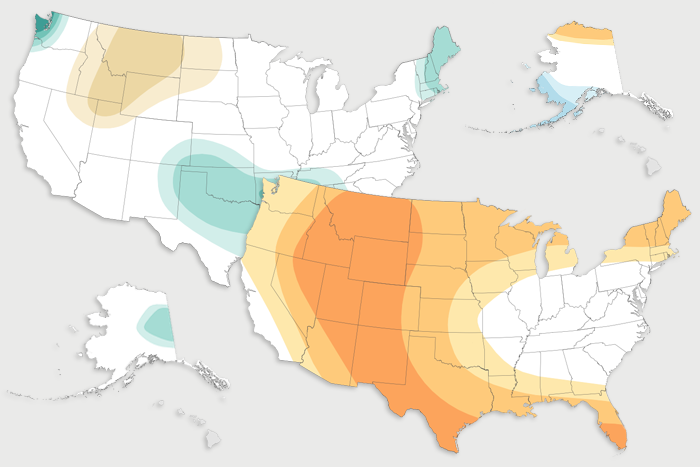
June marks the start of meteorological summer, and warmer-than-normal temperatures are in store for much of the country. How will this early summer warmth impact precipitation patterns and drought conditions?
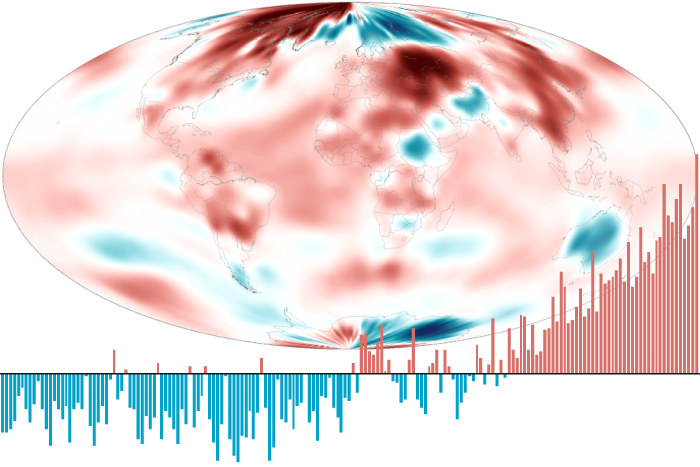
A record-warm April marked the eleventh consecutive month of record-setting global temperatures.
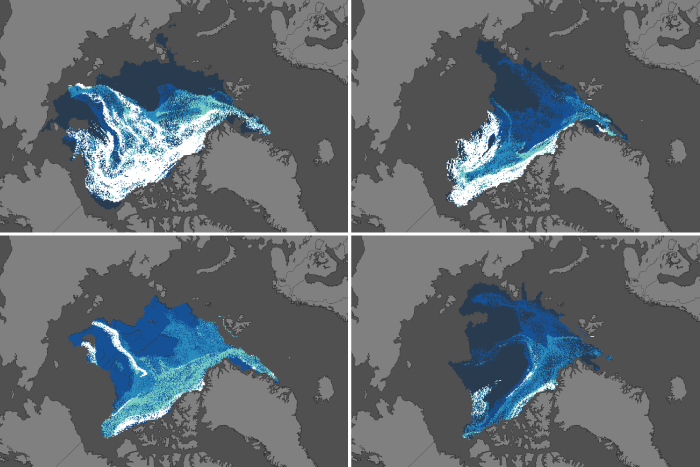
The precise year of the first "ice-free" Arctic summer will likely come down to weather events. For people and other life in the Arctic, the exact timing matters less than the long-term trend.
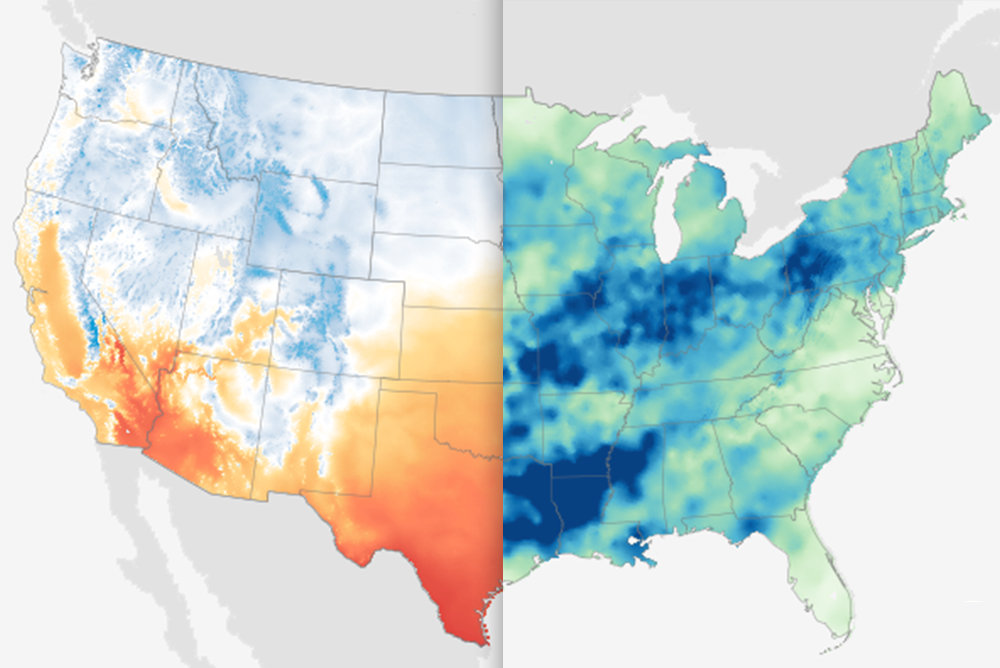
Severe storms devastated the nation’s heartland in late April; spring snowstorm pummeled New England.