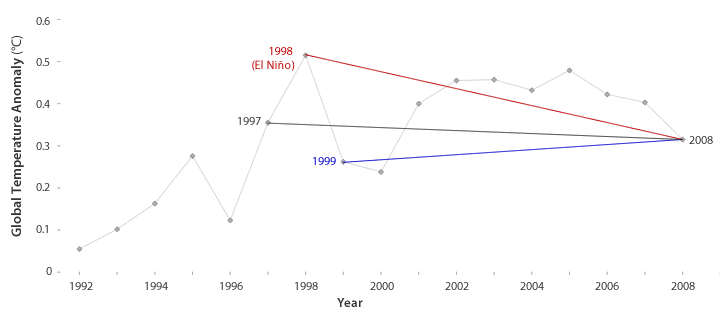
Has global warming stopped? That's what some people claim, based on global temperatures recorded since 1998. But, scientists say, not setting a new record high temperature each year doesn't mean the globe is cooling.
Has global warming stopped? That's what some people claim, based on global temperatures recorded since 1998. But, scientists say, not setting a new record high temperature each year doesn't mean the globe is cooling.
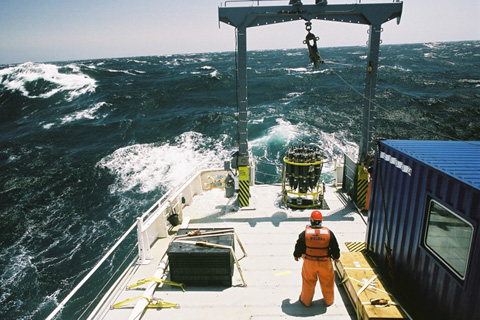
In the summer of 2007, as oyster growers and hatchery managers in Washington state were experiencing yet another failed oyster harvest, Dr. Richard Feely set off on a research cruise to find out if the seawater itself was the culprit…
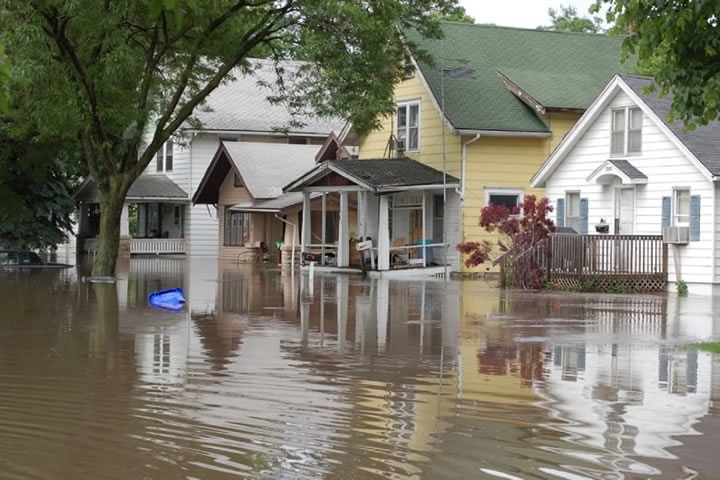
In NOAA's version of CSI, Marty Hoerling leads a group of climate and weather researchers who investigate killer climate patterns—heat waves, tornadoes, and floods—to figure out what may have triggered them.

Rhode Island's coasts are already feeling the impacts of rising seas. The Rhode Island Coastal Resources Management Council and Rhode Island Sea Grant are working with the legislature to explicitly address sea level rise and climate change in the state's building code.
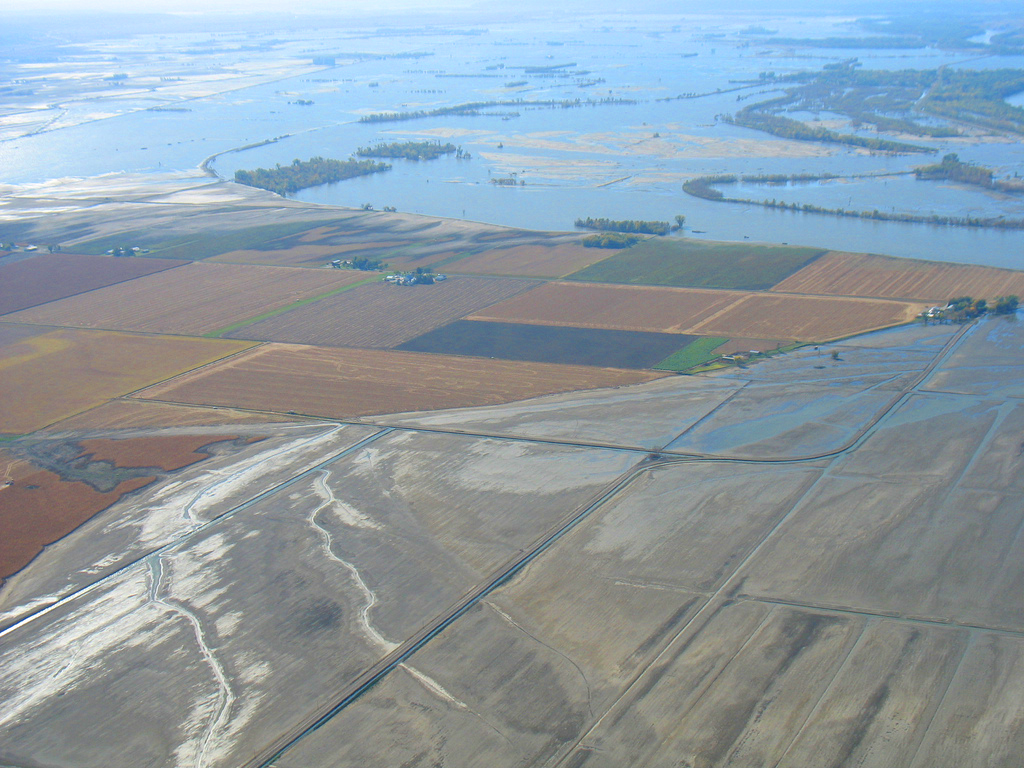
In the wake of historic flooding along the Missouri River in spring and summer 2011, NOAA scientists are exploring how climate patterns like La Niña and others can set the stage for floods or drought in the Northern Rockies and the Upper Great Plains.
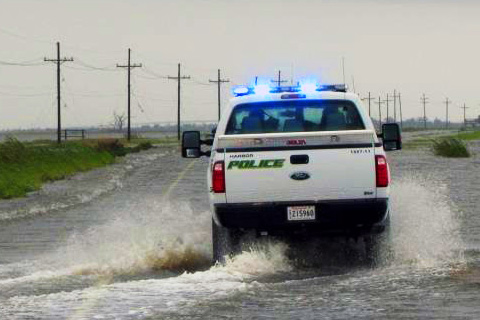
At the edge of southern Louisiana sits Port Fourchon—the hub through which 20 percent of our nation’s oil and gas supplies are distributed to the rest of the country. The only road leading to and from this major port is the Louisiana-1 Highway. A drive down the LA-1 through a vulnerable but vibrant coastal landscape shows what is at stake if ‘America’s longest main street’ fails to stay above water.