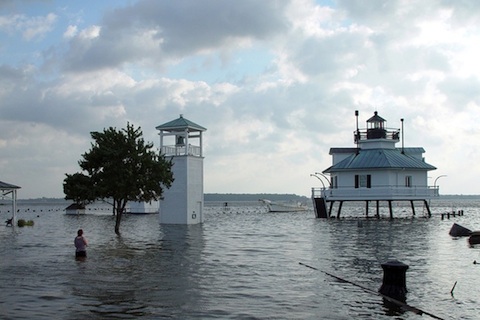
The arrival of Hurricane Isabel in 2003 flooded the retirement home of a Chesapeake Bay couple. With sea level around the Chesapeake Bay rising faster than the global average, how are coastal residents planning for change?
The arrival of Hurricane Isabel in 2003 flooded the retirement home of a Chesapeake Bay couple. With sea level around the Chesapeake Bay rising faster than the global average, how are coastal residents planning for change?

For the record books: A review of the ten most significant or unusual global climate or weather events of 2011, as ranked by NOAA’s National Climatic Data Center in its yearly review of the Earth’s climate.
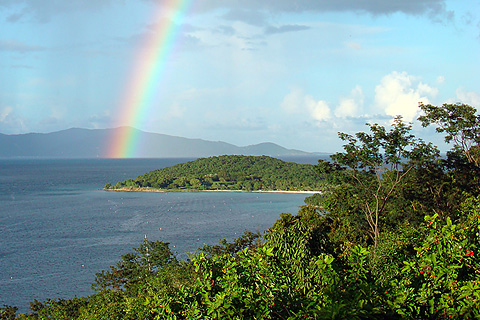
[From the archives] Facing the possibility of a massive coral bleaching event in the Caribbean Sea in late summer and early fall 2010, a USGS biologist based at U.S. Virgin Islands National Park hopes that the season won't have the same devastating outcome as a similar event in 2005.
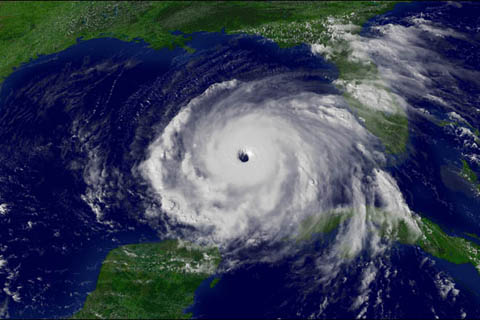
Christopher Landsea, of NOAA’s National Hurricane Center, works with tropical storm data and other hurricane experts to figure out how our warming world will affect hurricanes. Find out what current research tells us about hurricanes in the future.
The impacts of climate change and sea level rise have the potential to contaminate facilities and natural resources in the Pacific Northwest. Now, coastal managers have a new tool to help them visualize future changes and decide how they might avoid these problems.
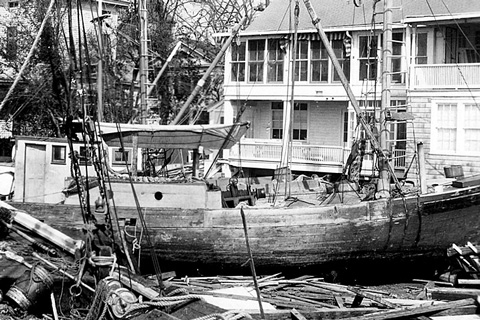
In 1938, an unexpected Category 3 hurricane plowed across Long Island and into Connecticut. Could history repeat itself?
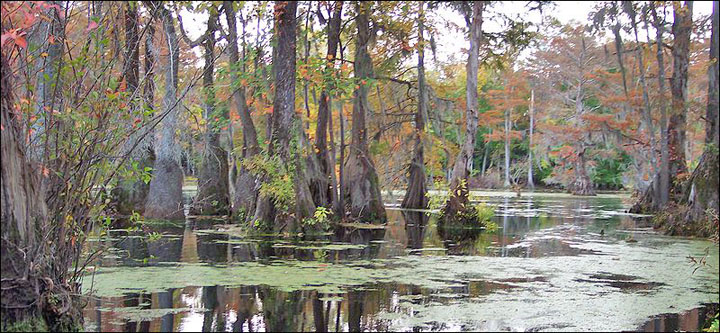
How is climate change affecting bird migration patterns? Birdwatchers across the country and around the world are contributing their time, both in the field and online, to answer that question.
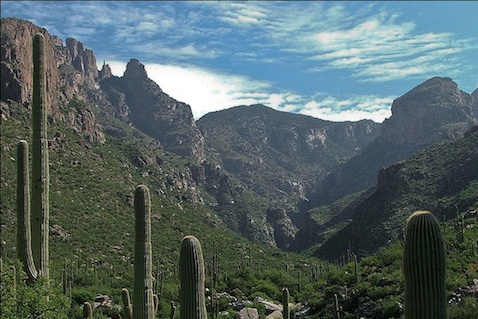
Curiosity is a cruel master, says Dave Bertelsen. Over the past 25 years, he has hiked over 12,000 miles through a desert canyon, just to see what was blooming. He found a few surprises along the way.
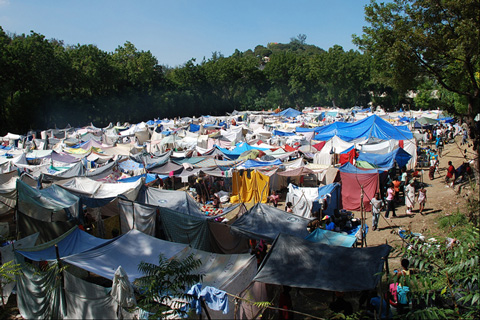
Almost two months after a devastating earthquake rocked Haiti, nearly half a million people there are displaced from their homes, and a million more are living without proper shelter. What climate-related risks will they face in the coming months?

NOAA researchers have built a "time machine" for weather that provides detailed snapshots of the global atmosphere from 1891 to 2008. The system's ability to "hindcast" past weather events is emerging as a powerful new tool for detecting and quantifying climate change.