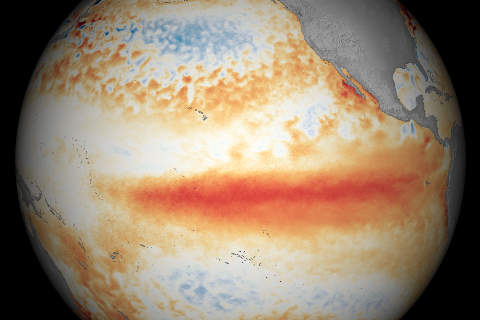
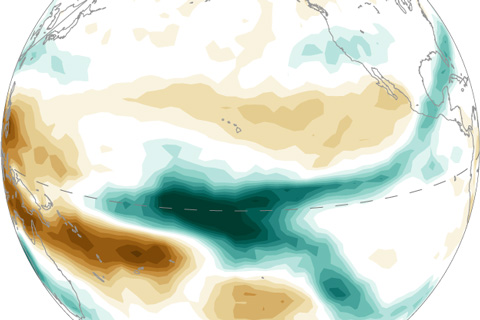
Waters along the equator in the Pacific Ocean were warmer than average during February 2016, but cooler than they were in January, according to satellite observations.
Waters along the equator in the Pacific Ocean were warmer than average during February 2016, but cooler than they were in January, according to satellite observations.
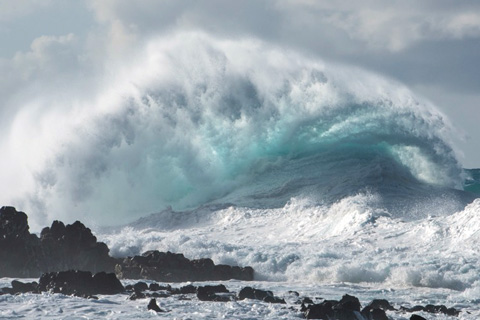
Huge waves can mean only one thing in Hawai'i: surf's up. Should surfers thank El Niño?
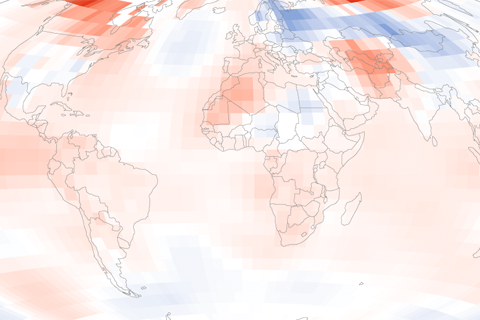
In this week's Beyond the Data blog, NCEI's Deke Arndt explains how comparing a record-setting warm streak from 2015 to one in 1944 is like comparing the tallest player in the NBA to the tallest kid in 2nd grade.
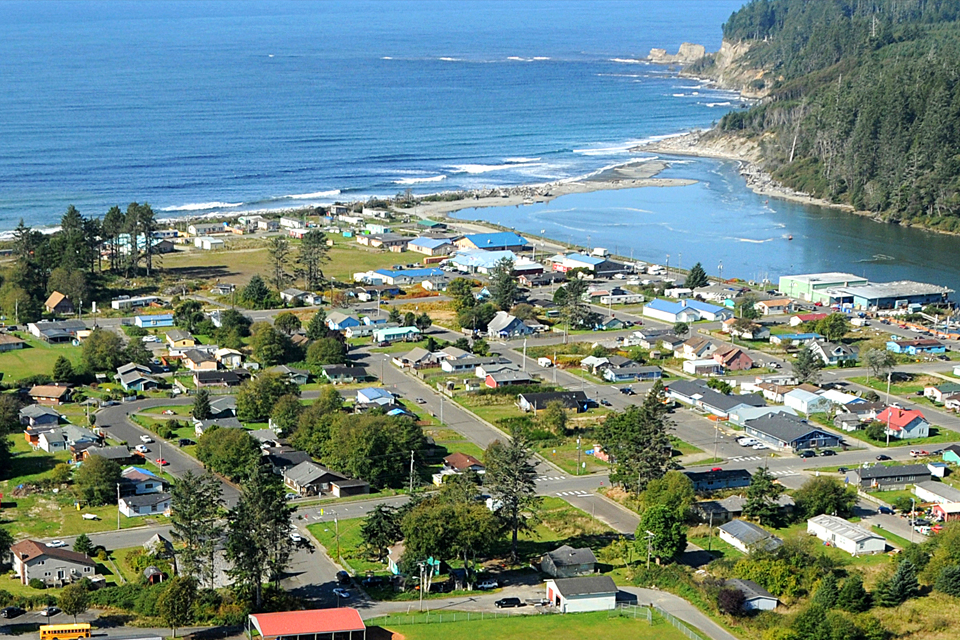
As the threats of tsunamis and sea level rise are joined by real and potential climate impacts, the Quinault community looks to move the lower village of Taholah to higher ground.
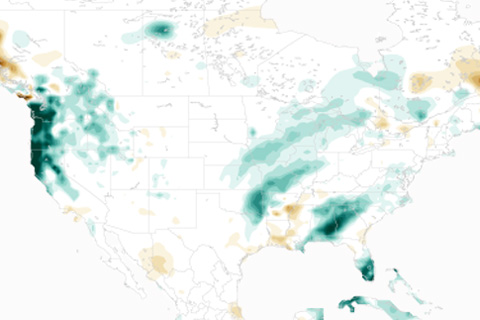
Where are my El Niño impacts?!
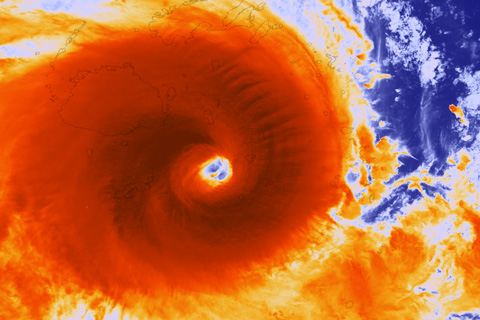
Category 5 Tropical Cyclone Winston was one of the strongest storms to make landfall anywhere on Earth since modern records began in the 1970s.
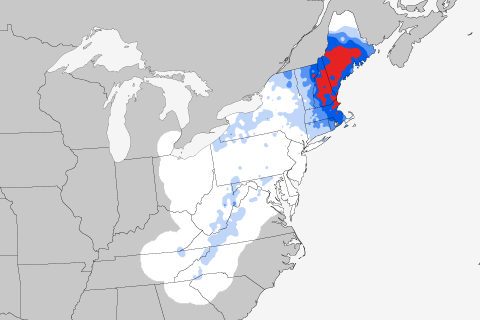
If you're thinking of bemoaning today's weather, comfort yourself with some history: today's the anniversary of the most severe Northeast snowstorm in the historical record. Guest blogger Mike Squires talks about how the February 22-26, 1969, snowstorm ranks head and shoulders above any other storm to hit the region since records began in 1900.
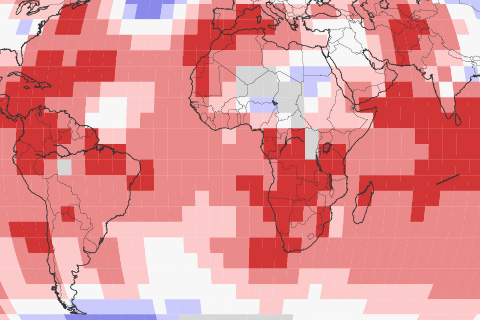
January 2016 became the ninth month in a row to set a new record-warmest monthly temperature.
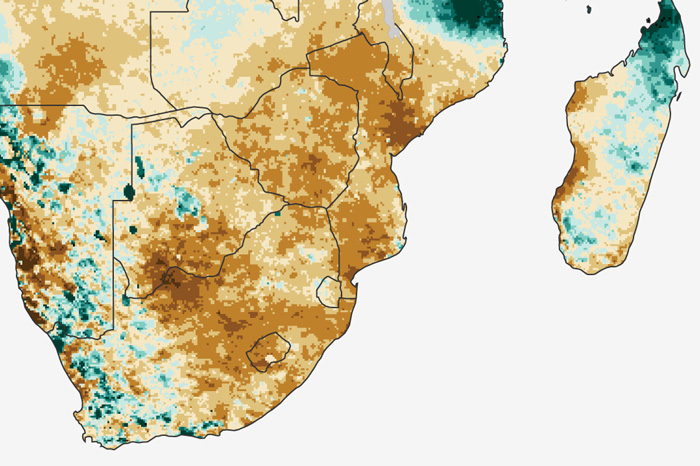
The dismal rainy season in southern Africa has destroyed crops, killed livestock, and even led to blackouts. El Niño probably had something to do with it.
How strong is our strong El Niño? And what could El Niño have to do with the Denver Broncos? Blogger Emily Becker answers questions about ENSO events, current and past.