Human activity has driven a positive trend in Earth’s energy imbalance, increasing the planet’s heat storage. This is the conclusion of a new study by Princeton University and NOAA researchers.
By examining “humid heat,” wet-bulb temperature more accurately assesses the human health effects of heat than measurements of temperature alone. A new study finds that wet-bulb temperatures increased in most land regions over 1979–2019.
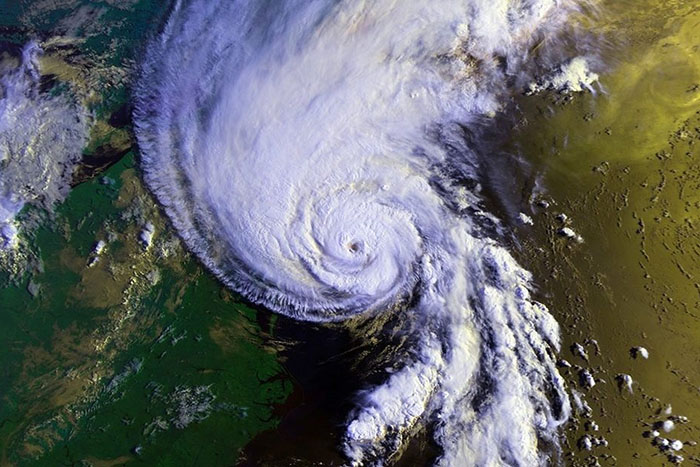
As Hurricane Helene developed in the Gulf of Mexico, NOAA researchers gathered critical data from the sea and sky to better understand tropical cyclones and support forecasters.
A new study examines ocean heat following tropical storms and hurricanes in the Caribbean from 1991 to 2020. The study finds tropical cyclones can affect ocean heat content several days after the storm's passage, even in places not directly impacted by the storm.
The hydroxyl radical (OH) molecule has a short lifespan but a long impact. It reacts with with harmful gases and helps clean Earth’s atmosphere. A new study examines OH changes in a warming climate.
Understanding how dust moves through the atmosphere will be important as scientists try to predict how climate change will influence weather patterns. New research suggests that dust particles spur the formation of cirrus clouds.
Cooler temperatures in the spring, autumn, and winter might significantly increase ammonium nitrate formation, potentially leading to higher levels of particulate matter.
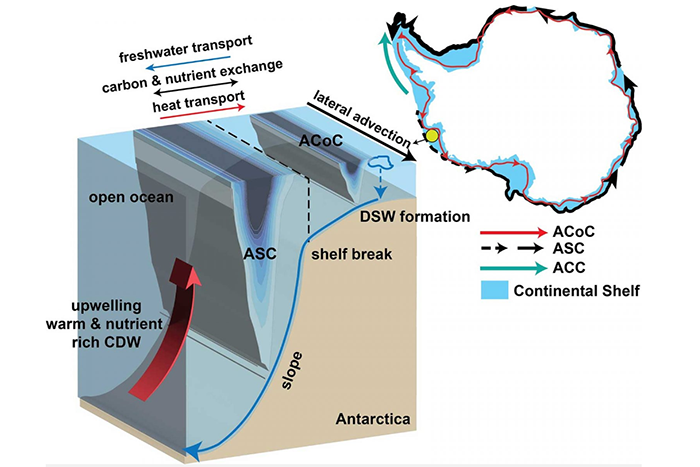
A new story from NOAA Fisheries highlights enhanced forecasting that can anticipate changing ocean conditions up to a year in advance.
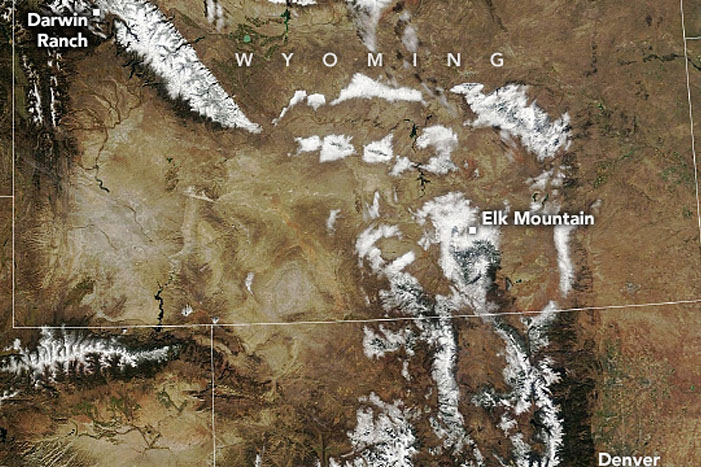
In February 2021, widespread cold air and two winter storms struck the South-Central United States. A new study recommends how climate services can help reduce the impacts of future freeze events.
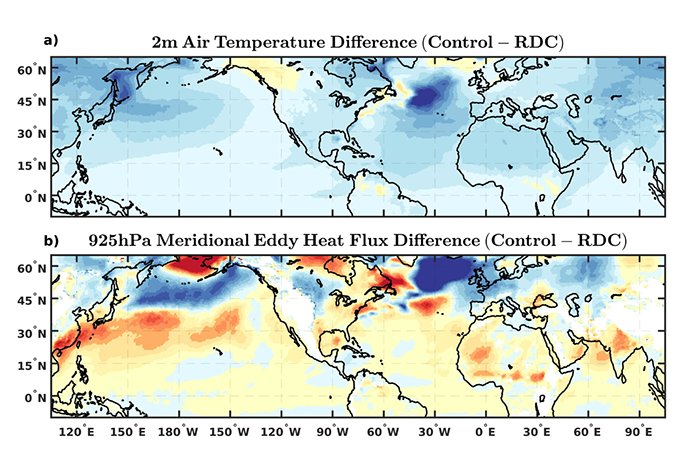
Interactions between the ocean and atmosphere shape weather patterns and temperatures around the world. Yet the winter upper troposphere/lower stratosphere temperature/vertical interactions are not fully understood. A new study corrects climate-model biases to unravel atmospheric impacts.