News & Features
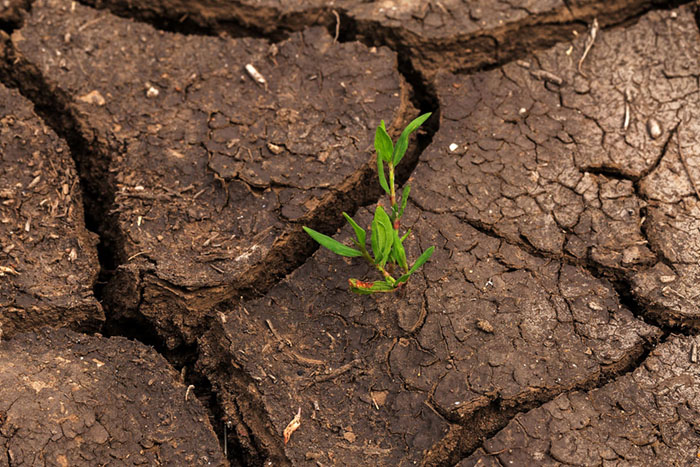
On June 8, 2021, the National Integrated Drought Information System (NIDIS) released a strategy for the National Coordinated Soil Moisture Monitoring Network (NCSMMN). It is a multi-institutional effort to plan for and support nationally coordinated soil moisture monitoring, data assimilation, and product development.

An operational shift at the National Weather Service (NWS) is better meeting the needs of the American public, including vulnerable populations, and is building a Weather-Ready Nation. Part of that…
The social and economic impacts of COVID-19 have battered small- and medium-sized enterprises, putting millions of jobs in the U.S. at risk. And a year rife with natural disasters has not done the…
The social and economic impacts of COVID-19 have battered small- and medium-sized enterprises, putting millions of jobs in the U.S. at risk. And a year rife with natural disasters has not done the…

Atmospheric changes, particularly shifts in the North Atlantic Oscillation, which controls most of the winds over the North Atlantic region, have redirected storm tracks toward Taklamakan and Gobi Deserts.
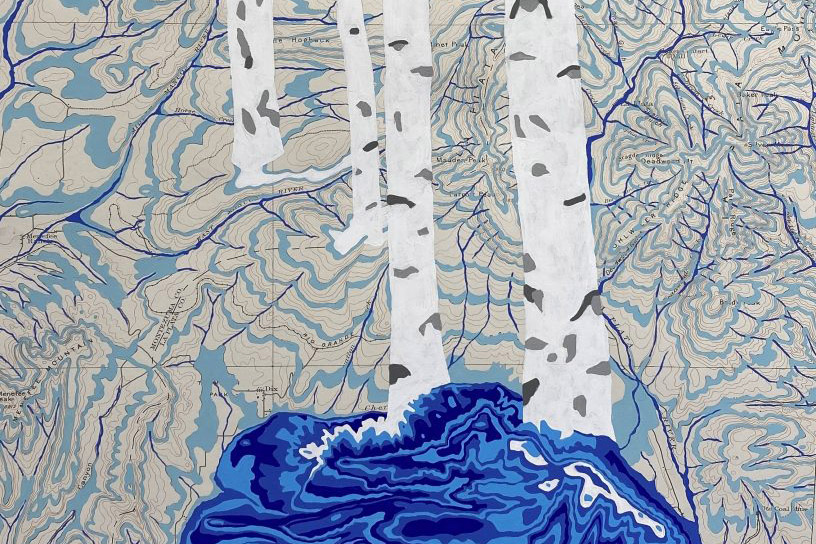
Every five years, the U.S. Global Change Research Program releases a new National Climate Assessment. The newest (fifth) assessment offers information on how drought will change as the climate changes, how to adapt, and how future droughts might impact your region and livelihood.