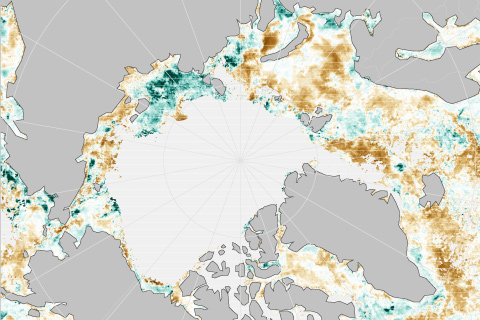
Unusually big blooms of tiny ocean plants occurred in the Arctic this past summer, linked to early summer retreat of sea ice.
Unusually big blooms of tiny ocean plants occurred in the Arctic this past summer, linked to early summer retreat of sea ice.
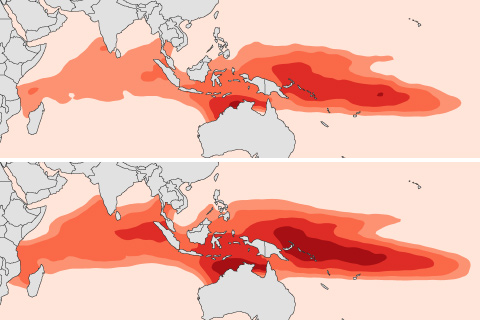
The large, warm pool of ocean water in the Indian and west Pacific Oceans has been growing warmer and expanding in size since 1900, impacting the Madden Julian Oscillation and regional rainfall.
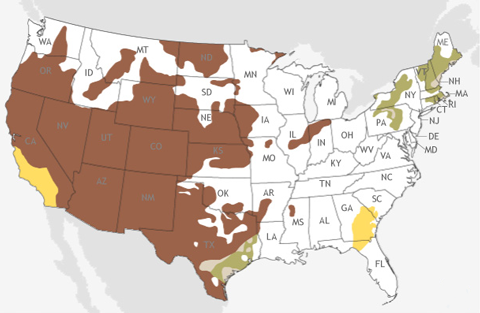
December 2020 and the start of the 2020-2021 winter looks warmer and drier than average for much of the country.
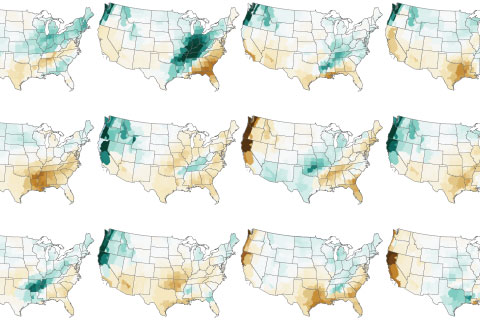
Will the current La Niña influence the weather over the U.S. this winter? The Climate Prediction Center’s Mike Halpert dishes out the details of the November update to NOAA’s 2020-21 winter outlook.
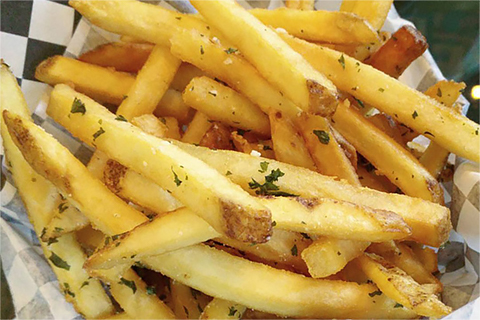
Warmer conditions will pose new challenges for producers of Americans’ favorite side dish but advance knowledge and innovation will help potato growers prepare.
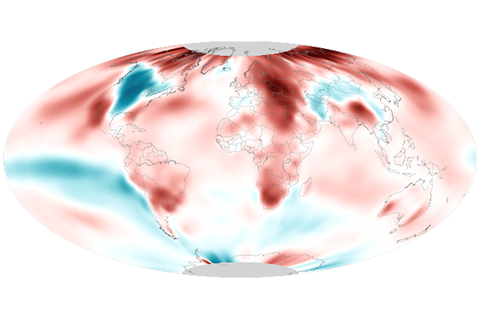
October 2020 was the fourth warmest October on record dating back to 1880, which makes it the lowest-ranked month so far in 2020.
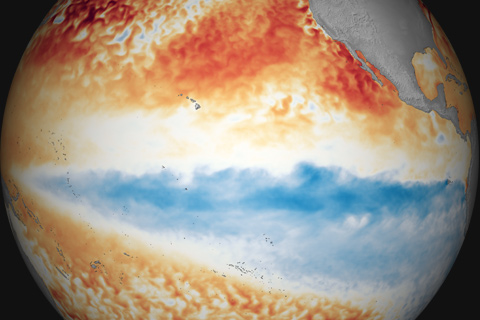
La Niña's a sure bet through the winter. And what's this about the potential for a strong event?
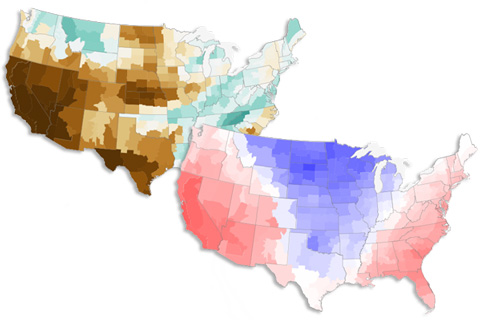
Unseasonable cold in the Rockies, Northern Plains, and Great Lakes were balanced by much warmer than average conditions in the Southwest and Southeast coastal states.
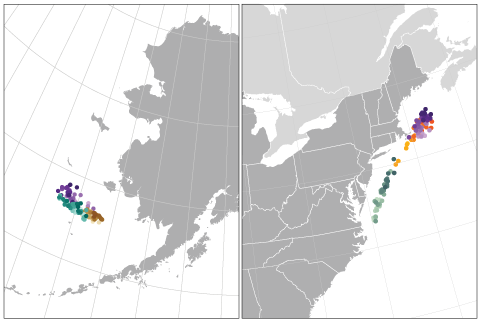
New USGCRP indicator based on NOAA fisheries data shows bigger shifts in the North Atlantic than the Bering Sea.
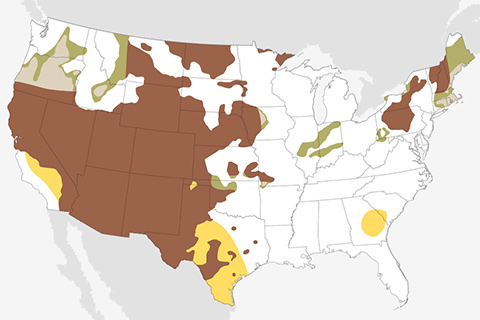
November 2020 is favored to be warmer than average for much of the United States and drier than average across the southern US.