The most likely explanation for the lack of significant warming at the Earth’s surface in the past decade or so is that natural climate cycles caused shifts in ocean circulation patterns that moved some excess heat into the deep ocean.
Hot, dry conditions turned northern Europe brown during the summer of 2018.
Richmond's citizen-scientists took to the streets on specially equipped bikes and cars to find out where it’s hottest—and where residents might be most vulnerable to extreme urban heat.
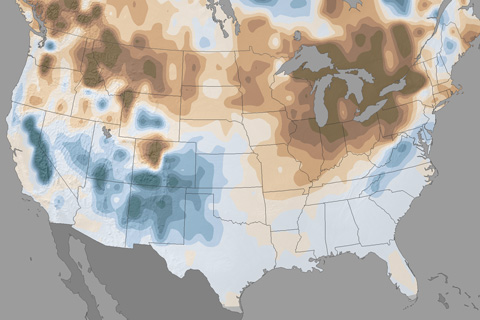
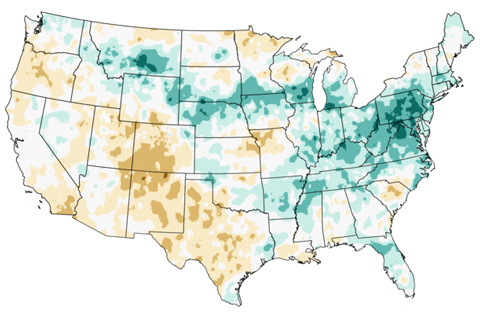
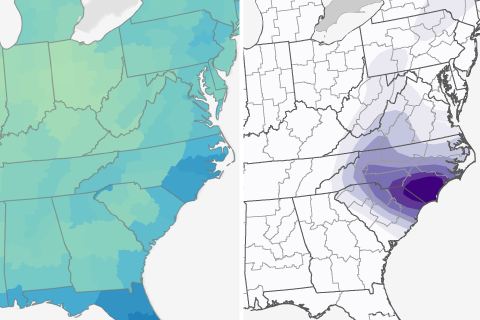
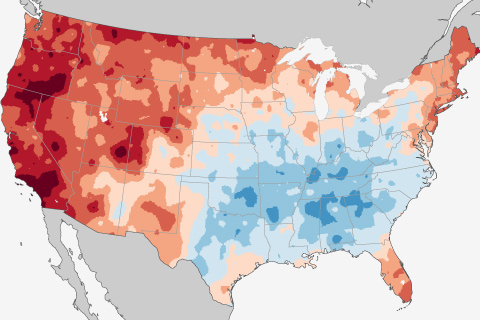
While the western United States baked under high temperatures, the eastern United States has been getting increasingly soggy this summer.
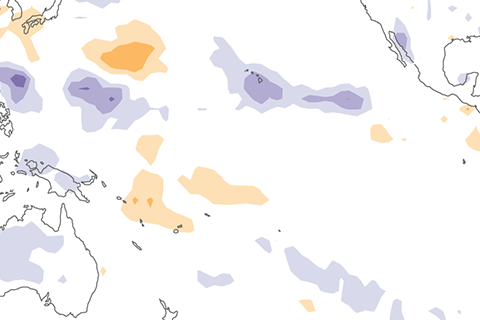
Amazingly, ENSO doesn't just impact climate anomalies like temperature and precipitation over the United States. It can also influence the sea level, which may have major implications as the sea level continues to rise in the future.
In addition to carbon dioxide emissions, seasonal changes can alter ocean acidity. Higher ocean acidity can impact people's food, income, and industry.
Unusually persistent harmful algal blooms have plagued fresh and salt water environments in southern Florida during the summer 2018.
Our blogger discusses the current ENSO forecast. I'll take ENSO Watch for 1000, Alex.
Nighttime temperatures across much of California were record warm in July 2018, part of an accelerating warming trend in the state since the start of the twenty-first century.
Global atmospheric carbon dioxide reached 405.0 parts per million (ppm) in 2017, a new record high. In the 1960s, the global growth rate of atmospheric carbon dioxide was roughly 0.6 ppm per year. Over the past decade, however, the growth rate has been closer to 2.3 ppm per year.