The interim director of NOAA's High Plains Regional Climate Center talks about partnering with tribes on the Wind River Indian Reservation to develop new tools and resources for coping with drought.
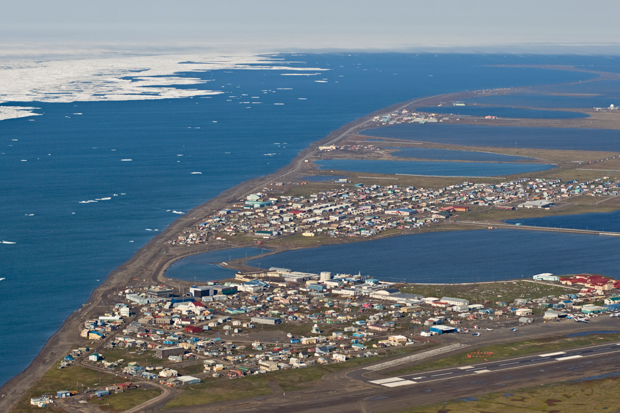
Several consecutive years of well below-average rains have led to low reservoir levels and water rationing in South Africa's second most populous city, Cape Town.
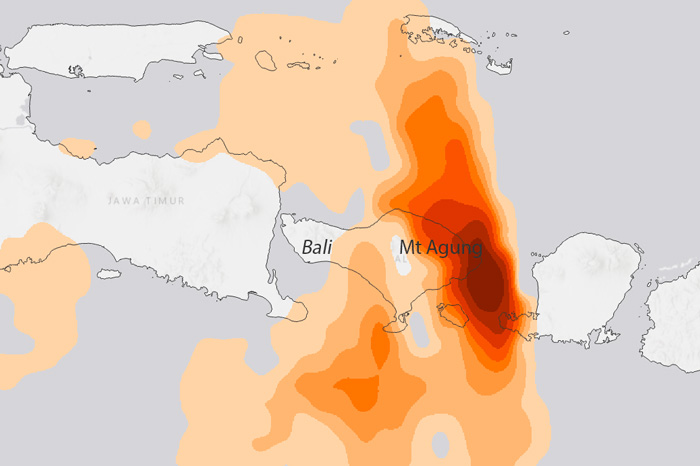
After becoming the farthest east major hurricane on record in the Atlantic, former hurricane Ophelia set its eyes on Ireland.
The Climate Prediction Center's Mike Halpert dives into the 2017-2018 winter outlook, and talks about how La Niña winters today are different from La Niña winters of the past.
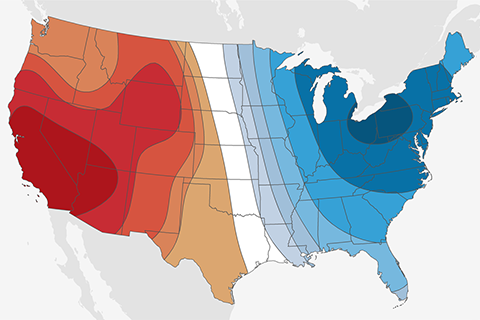
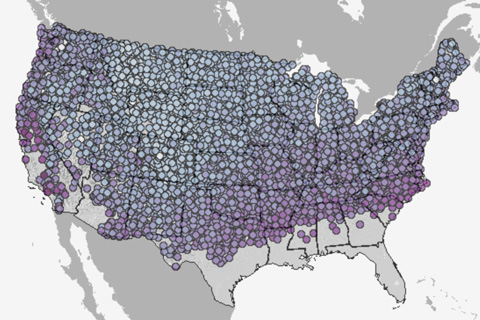
Forecasts say a La Niña climate event is likely to occur in the tropical Pacific during winter 2017-18. How will this "upstream" event affect U.S. temperature, precipitation, and drought?
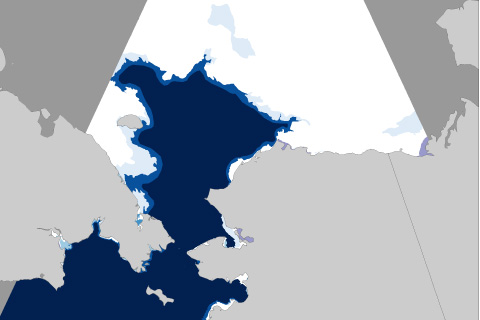
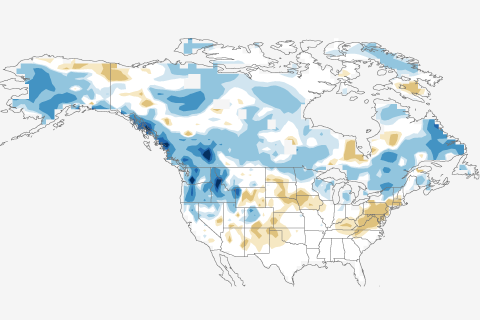
The eastern tropical Pacific was cooler than average, but much of the rest of the globe experienced a warmer than usual September in 2017. The year to date has been the second warmest on record.
ENSO forecasters are maintaining the La Niña Watch, but not declaring La Niña, as we wait for the tropical Pacific to settle down.
California's second-wettest winter and hottest summer primed the state for devastating wildfires in October 2017.
The very wet 2016-2017 water year came to an end in California on October 1.
Drought emerged quickly in the Northern Plains this past summer. How does that fit with the bigger picture of what we know about drought and climate?