
The International Academy of the Digital Arts & Sciences has chosen the U.S. Climate Resilience Toolkit as one of five nominees for the annual Webby Awards for online excellence in the "Green" category.
The International Academy of the Digital Arts & Sciences has chosen the U.S. Climate Resilience Toolkit as one of five nominees for the annual Webby Awards for online excellence in the "Green" category.
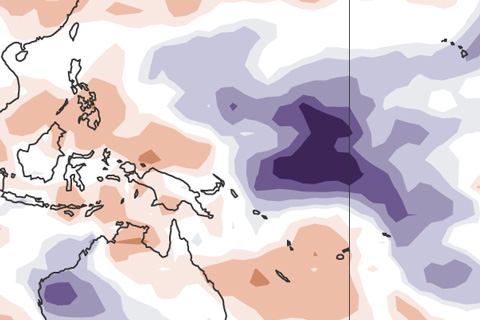
El Nino conditions strengthened in March. Where do forecasters think we're going from here?
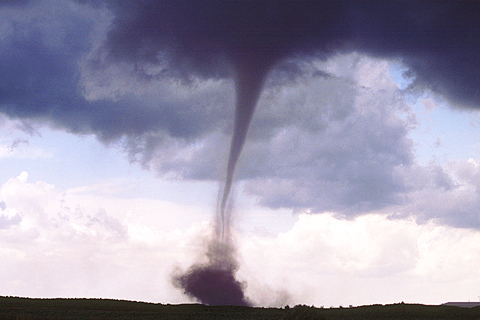
With spring's arrival comes thoughts of severe weather and tornadoes. Except this year, tornadoes in March were well below normal, with little happening until the last week of the month.

In northern Alaska, ponds are shrinking and disappearing as the frozen ground beneath them thaws. The loss may have serious consequences for migratory birds and the subsistence hunters that depend on them.
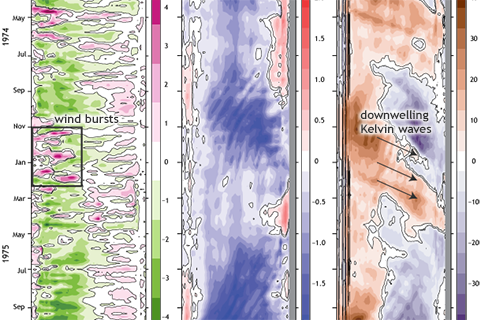
Guest blogger Mike McPhaden describes what it was like making El Niño forecasts in the mid-1970s, compared with making them today.
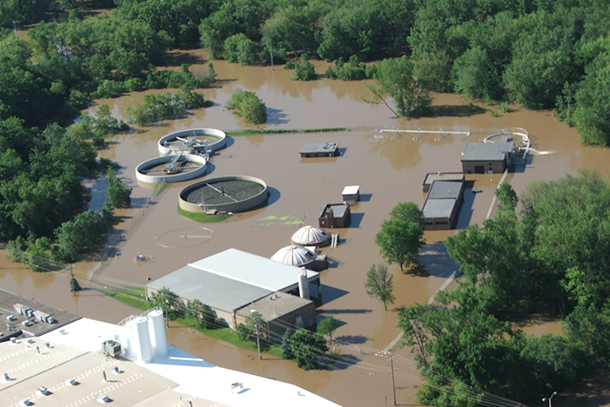
An extreme precipitation event in 2008 cost one Upper Midwest town more than a million dollars in infrastructure repairs. Now, other municipalities can simulate how a similar event might affect them.

A drought in the Southeast in 2011 gave cotton growers and consumers a preview of what could become a more common scenario for the main ingredient of our most comfortable clothes.
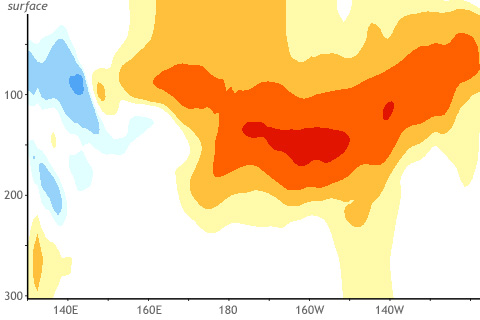
You're not the only one wondering if we will see El Niño grow or continue into this coming winter 2015. How useful are March winds and subsurface temperatures across the tropical Pacific Ocean in predicting winter El Niño or La Niña states?
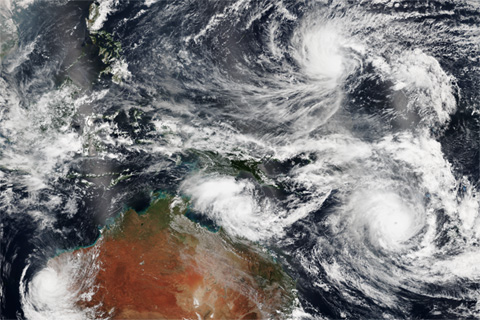
Uncommon atmospheric circumstances spawned a pair of tropical cyclones in the western Pacific—one on either side the equator, at nearly the same longitude, at nearly the same time. Why are twin cyclones more common during El Niño?
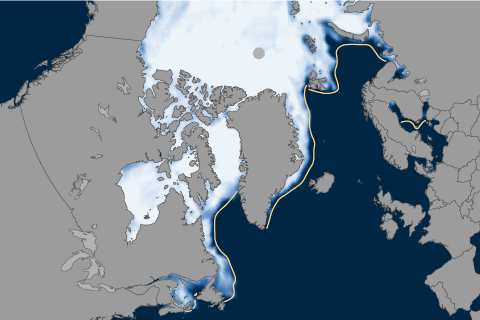
Arctic sea ice extent reached 5.61 million square miles on February 25, and then began to retreat. Unless a late growth spurt takes place, it will be the smallest winter maximum in the satellite record.