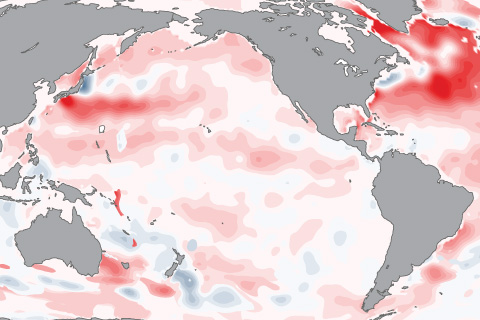
How can warming at Earth’s surface have slowed when energy accumulation is growing? The role of our oceans—including ENSO—is key.
How can warming at Earth’s surface have slowed when energy accumulation is growing? The role of our oceans—including ENSO—is key.

Warming ocean temperatures in the Atlantic may allow for the expansion of tropical fish species into areas formerly too cold for them to thrive. Observations from the past decade off North Carolina link warm years with denser populations of the destructive lionfish.
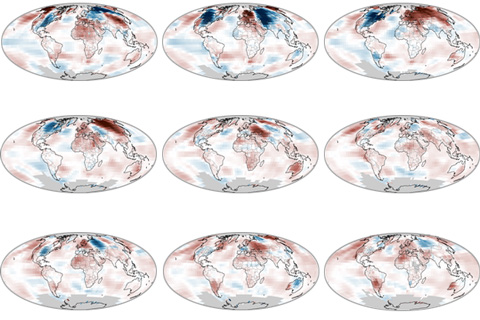
NOAA’s National Climatic Data Center announced that last month was the warmest September on record for the planet. If the surface temperature remains elevated at the same level for the remainder of the year, 2014 will set a new record for the warmest annual average temperature since records began in 1880.
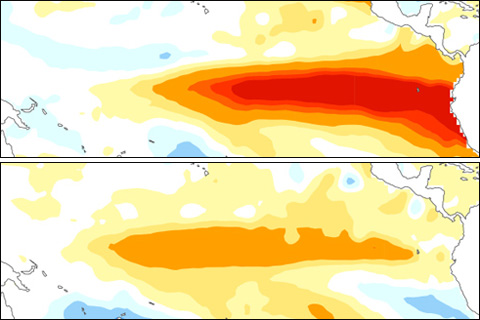
How El Niño is like different flavors of ice cream. Seriously.
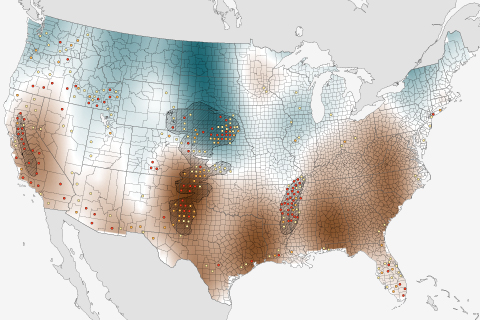
The spotlight may have been on California this past summer, but groundwater reservoirs—often the back-up for surface water supplies during prolonged drought—are in decline across much of the southern United States. Meanwhile, people are using millions of gallons of water per day in regions dependent on groundwater aquifers
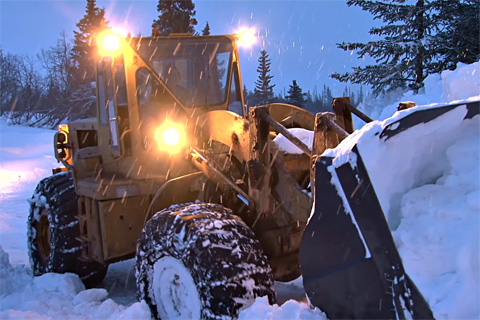
The Climate Prediction Center's outlook for December through February gives California a 2-in-3 chance of receiving normal precipitation or better. Cool, wet conditions are favored in some southern regions, while warm weather is favored to the west, including Alaska and Hawaii.
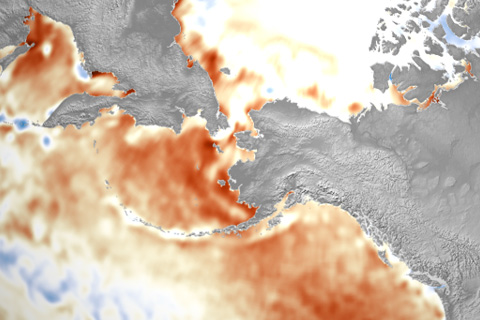
Warm oceans lead to record September warmth for Alaska maritime locations.
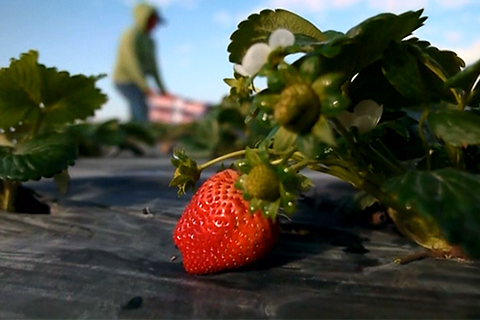
Florida's humid climate is a major headache for strawberry growers. An alert system that warns of fungus-friendly weather conditions has reduced costs and risks associated with unnecessary chemical spraying.
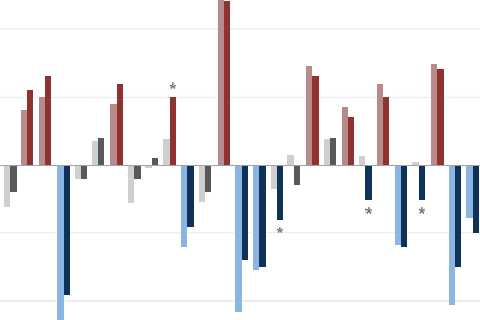
The forecast seems stuck on repeat. Why are we still calling for El Niño?
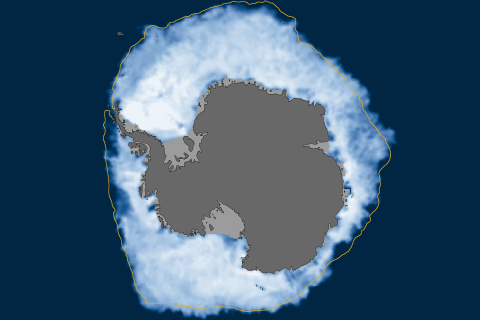
Antarctic sea ice extent set a new record high for daily extent on September 22, 2014. Climate scientists suspect the new record is linked to strong winds and melting ice shelves.