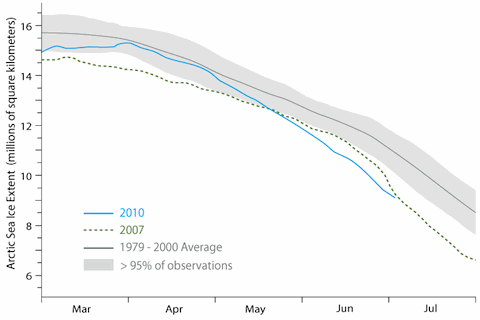
In 2007, Arctic sea ice retreated so dramatically that it broke all previous records for sea ice minimum for July through October. Is this year’s summer ice melt season on track to surpass 2007?
In 2007, Arctic sea ice retreated so dramatically that it broke all previous records for sea ice minimum for July through October. Is this year’s summer ice melt season on track to surpass 2007?

In 1938, an unexpected Category 3 hurricane plowed across Long Island and into Connecticut. Could history repeat itself?
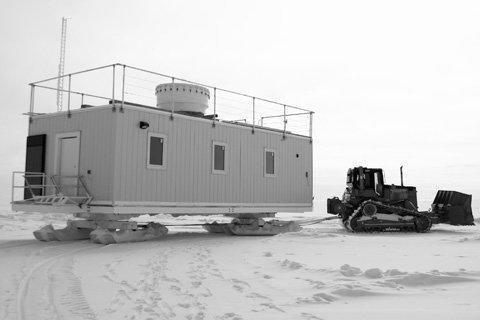
At the highest point atop the Greenland Ice Sheet, Matthew Shupe and his colleagues are installing a suite of climate and weather instruments. Their goal is to better understand the role of clouds in the rapid warming observed across the Arctic region.
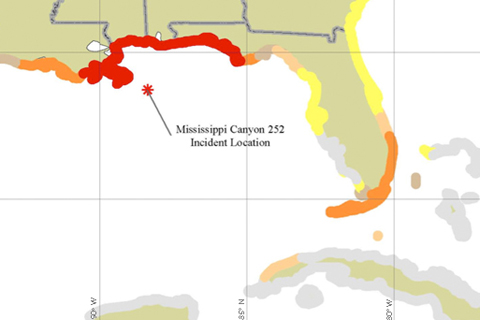
Will ocean currents carry oil and byproducts from the Deepwater Horizon wellhead beyond the Gulf of Mexico and out into the open Atlantic Ocean? Climate data and computer models help scientists predict how and where.
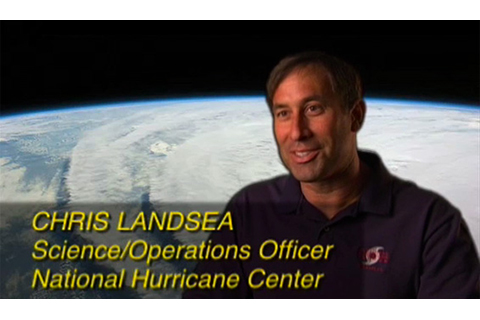
Chris Landsea talks about how global warming may change hurricanes: on average, not more storms, but stronger ones.
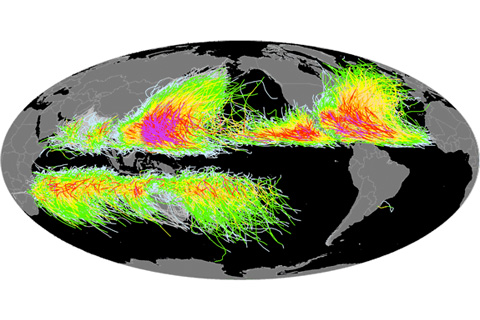
Researchers at NOAA’s National Climatic Data Center collaborate with tropical cyclone centers and scientific agencies around the world to assemble and maintain the International Best Track Archive for Climate Stewardship (IBTrACS), an inventory of tropical cyclones.
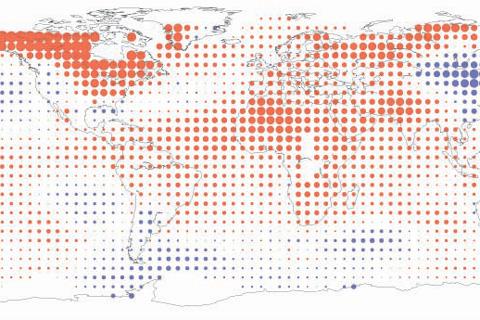
Across the globe, over land as well as sea, Earth’s average surface temperature for April 2010 made it the warmest April on record.
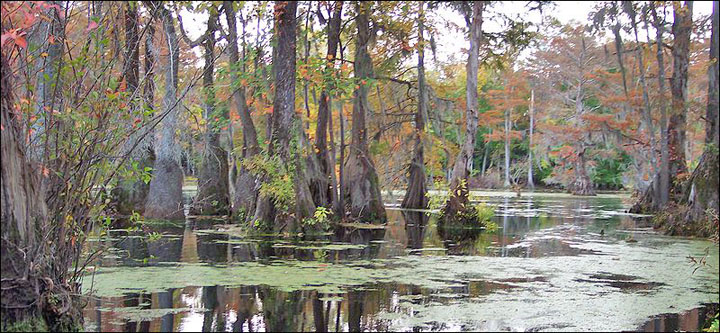
How is climate change affecting bird migration patterns? Birdwatchers across the country and around the world are contributing their time, both in the field and online, to answer that question.
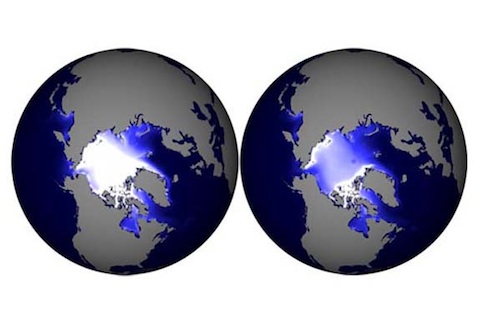
Scientists examine data from computer models to generate simulations of sea ice thickness now and three decades into the future.

Six managers of State Coastal Zone Programs and National Estuarine Research Reserves comment on their plans for adapting to climate change.