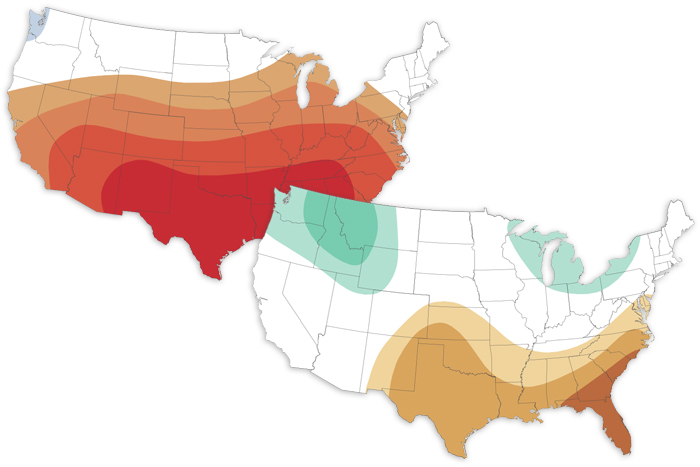
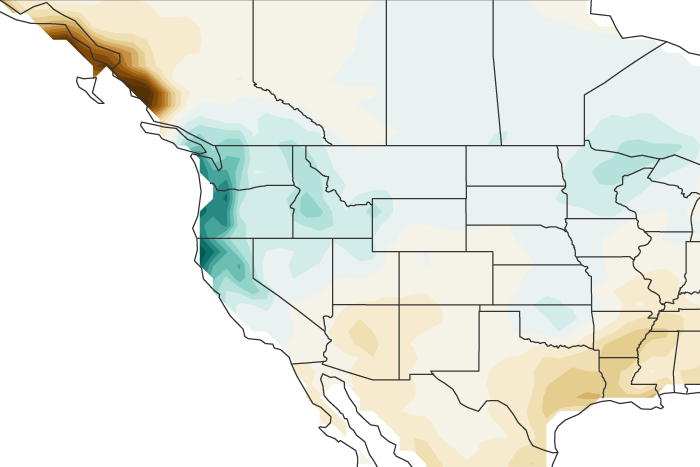
The December 2021 climate outlook favors a warmer-than-average end to 2021 for much of the country, with odds tilted towards a drier-than-average December for the Southeast
The December 2021 climate outlook favors a warmer-than-average end to 2021 for much of the country, with odds tilted towards a drier-than-average December for the Southeast
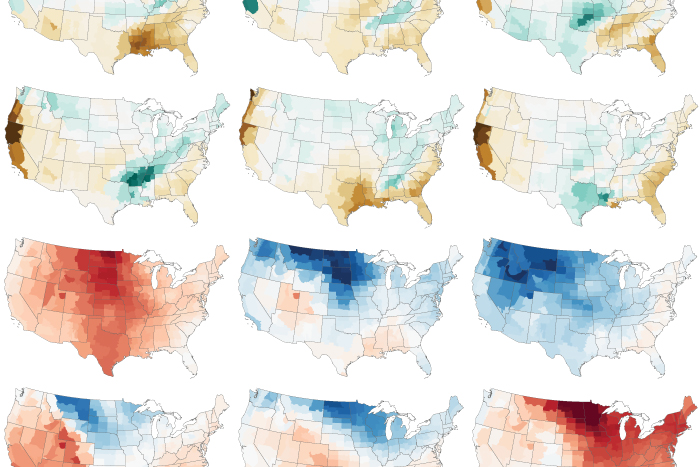
What weather can the U.S. expect in the second winter of a double-dip La Niña? The Climate Prediction Center’s Mike Halpert lays it out in his discussion of the November update to NOAA’s winter outlook.
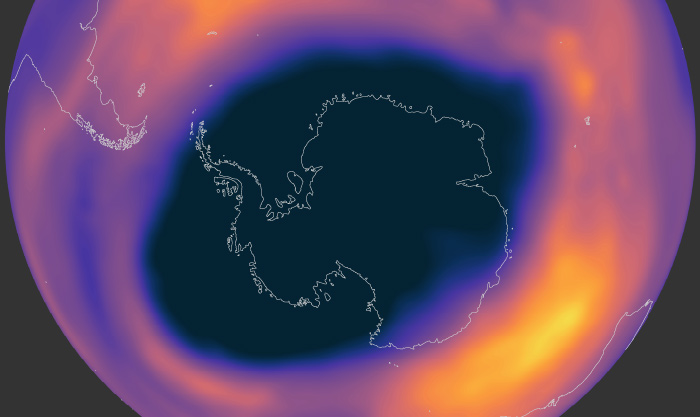
But the Montreal Protocol is working: the hole in our planet’s UV-blocking ozone layer was smaller than those of the 1990s and 2000s.
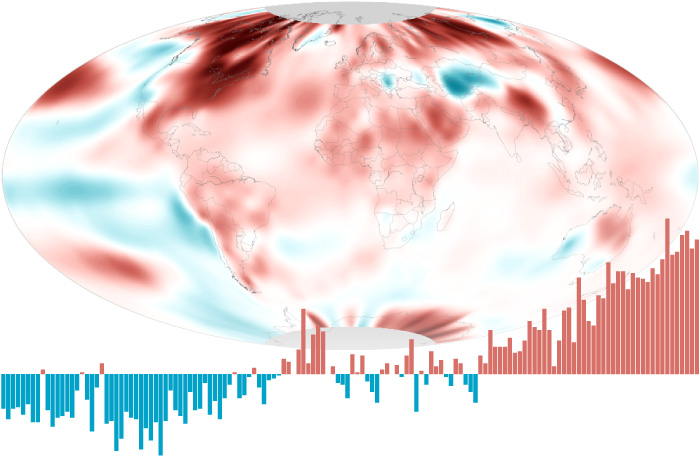
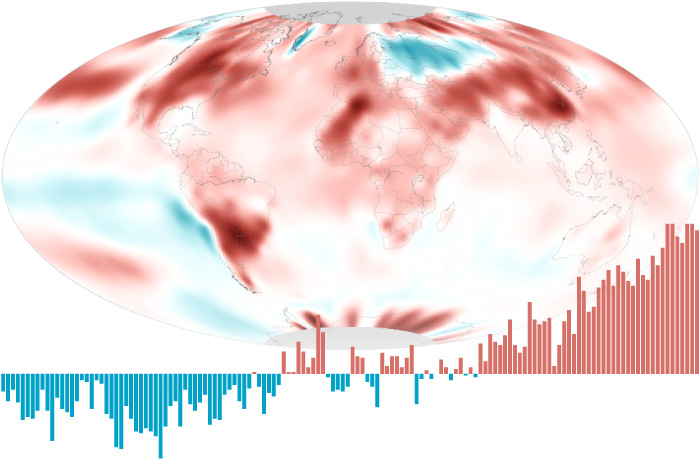
Northern Hemisphere land areas were record warm, and La Niña left its imprint on global precipitation patterns.
If ENSO is a romantic comedy, our ocean-atmosphere couple is in an on-again phase, and they're expected to stay together through the winter.
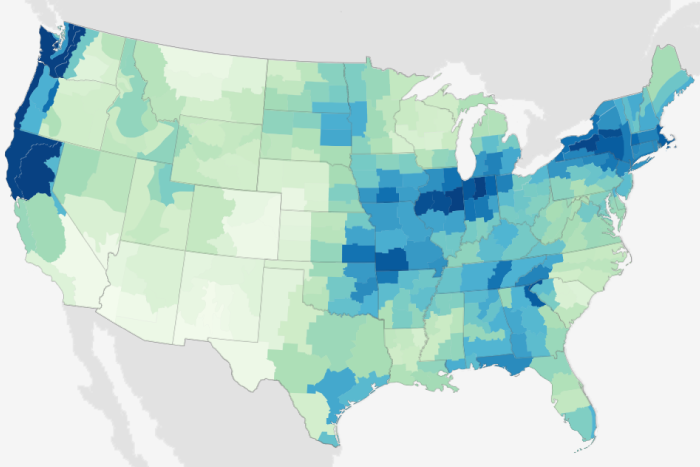
Atmospheric rivers and a powerful Nor'easter brought significant precipitation to the U.S. in October. East of the Rockies, most of the country was warmer than average.
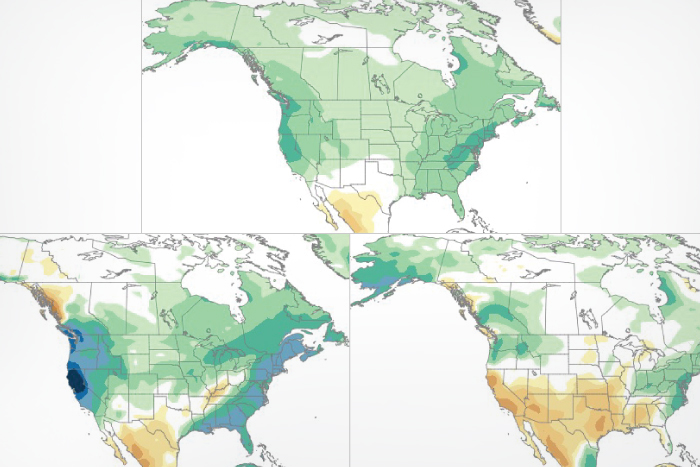
Why doesn't the climate behave like we expect? The answer often lies in the internal variability of our atmosphere. Our ENSO Blogger explains exactly what that is.

In a tweet chat featuring four NOAA marine experts, learn about the National Marine Ecosystem Status website, how to use it, and why you should care about the health of marine ecosystems.
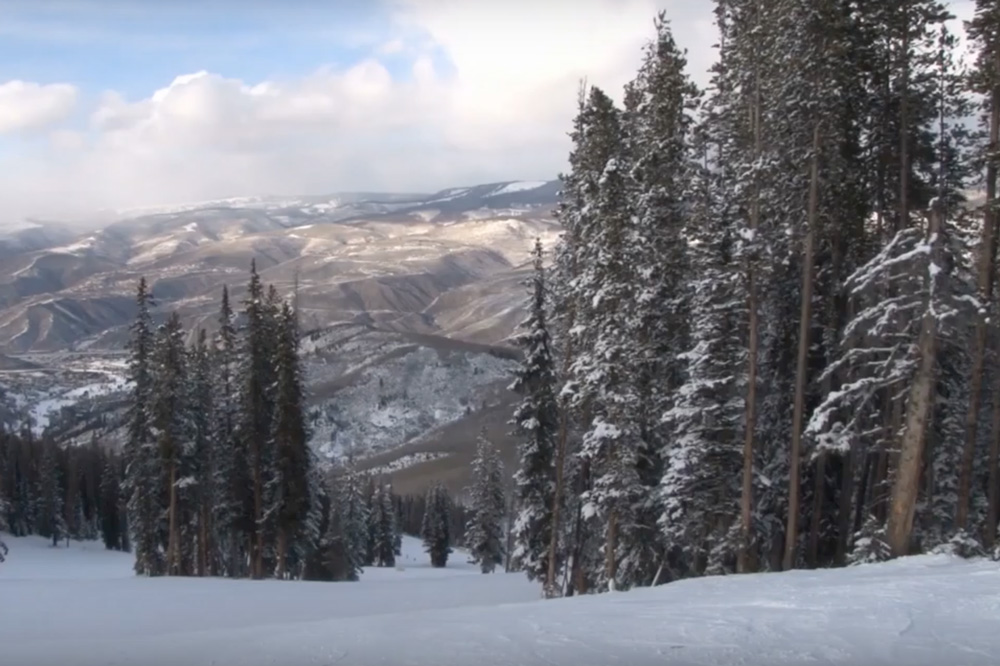
The U.S. is headed for its second La Niña winter in a row, which increases the chances for dry conditions across the country's southern tier and wet conditions for the Pacific Northwest and Great Lakes.
It was the fifth-warmest September on record, and the East Asian summer monsoon was especially wet.