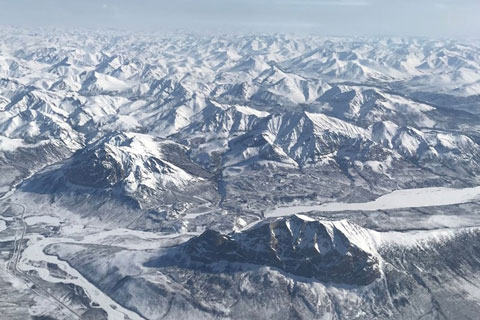
From declining reindeer populations to a younger, thinner ice pack, here are four image-based stories from the 2018 Arctic Report Card.
From declining reindeer populations to a younger, thinner ice pack, here are four image-based stories from the 2018 Arctic Report Card.
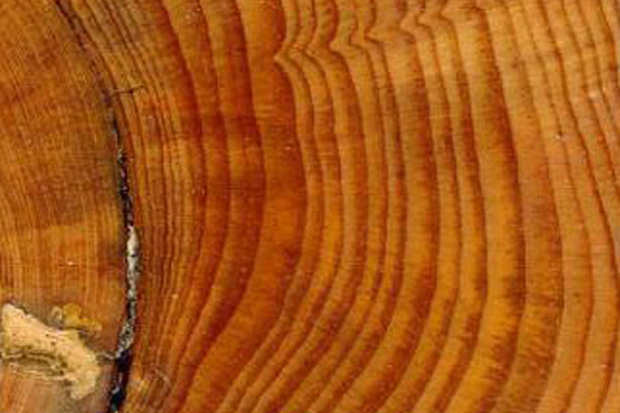
Tree rings can reveal the age of wood used to make human artifacts from famous violins to the cliff ruins of Mesa Verde, and also tell us about the climate conditions that prevailed when those trees were alive.
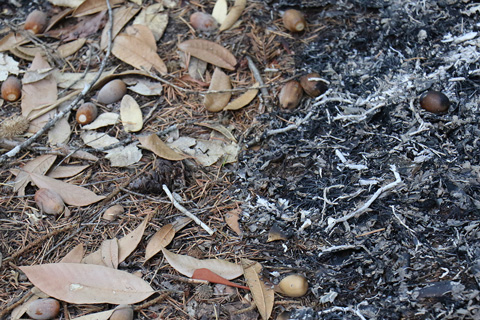
Members of the Karuk Tribe in northern California maintain that the age-old tradition of prescribed burning holds the answer to climate adaptation planning in the Klamath River range.
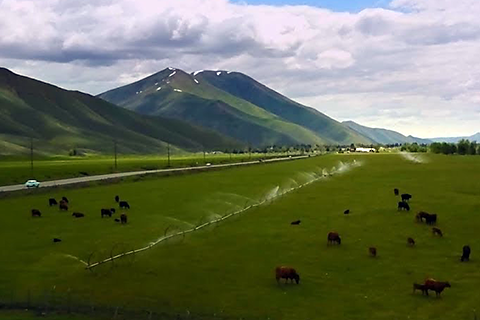
Farmers in southern Idaho pair up with NOAA-funded scientists to become more resilient to the basin's wide swings in snowpack, runoff, and groundwater recharge—today and in a warmer future.
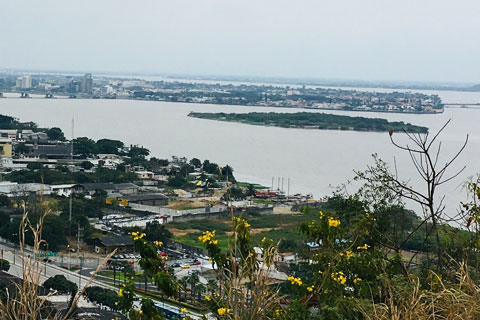
What is the latest and greatest in ENSO science? This blogger travels to Guayaquil, Ecuador to find out.
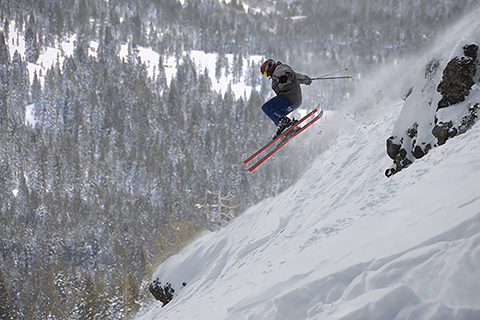
From retreating snow elevations to rain-soaked powder, warming due to human-caused climate change will radically transform U.S. skiing over the remainder of the twenty-first century.
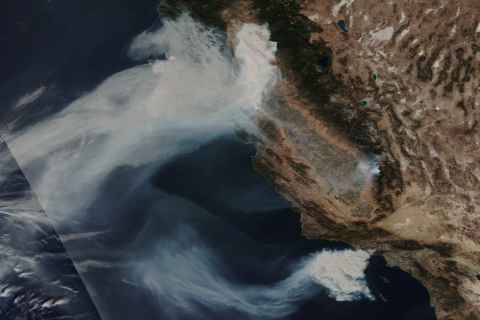
Hot, dry and windy weather helped create the conditions needed for wildfires to explode in northern and southern California in November 2018.
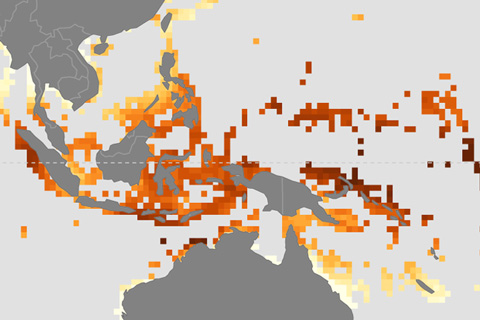
Corals reefs face double threats from rising atmospheric carbon dioxide: severe heat stress and ocean acidification. NOAA researchers have produced maps of future changes in both threats to allow managers to identify the most vulnerable reefs.
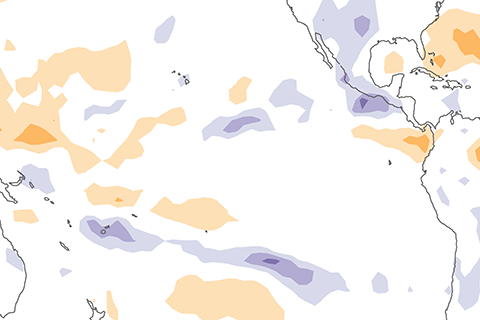
The east-central equatorial Pacific is warmer than average, but El Niño hasn’t arrived quite yet. What’s the ENSO latest?
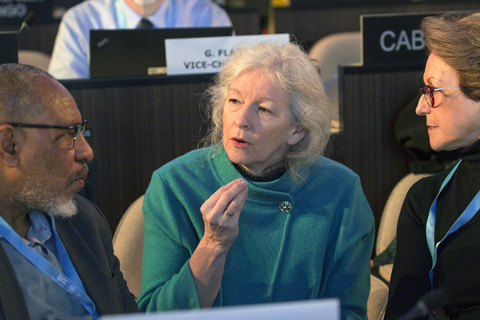
Ko Barrett, a Vice Chair of the IPCC, answers questions about the group's recent special report on what 1.5°C of global warming will mean for people, ecosystems, and economies.