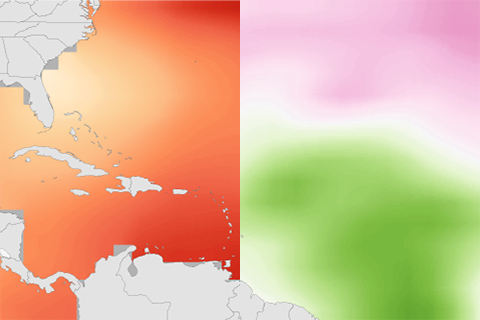
But basin-wide quiet periods favor rapid intensification of U.S. landfalling hurricanes.
But basin-wide quiet periods favor rapid intensification of U.S. landfalling hurricanes.
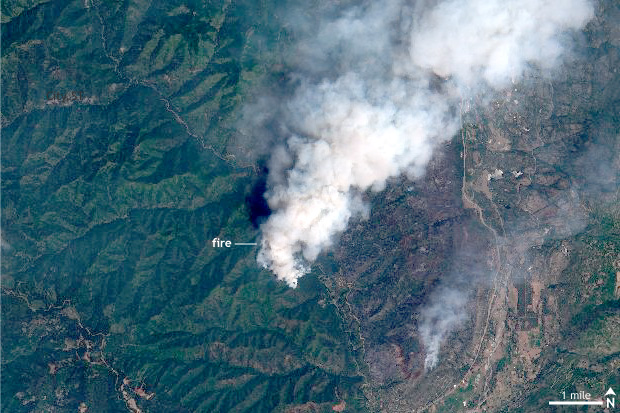
Exceptional drought in preceding months primed southern Colorado forests for wildfire in mid-June 2018.
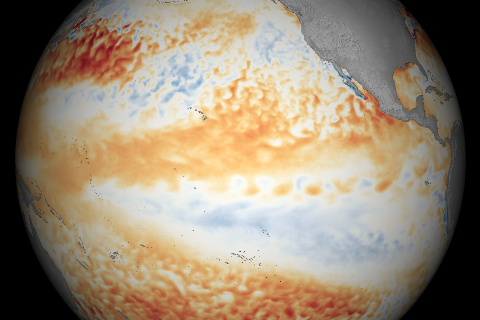
An El Niño Watch has been issued, meaning conditions are favorable for the development of El Niño within the next six months.
There’s a hidden story in May’s climate data. Picking it out is like night and day. No, literally, night and day.
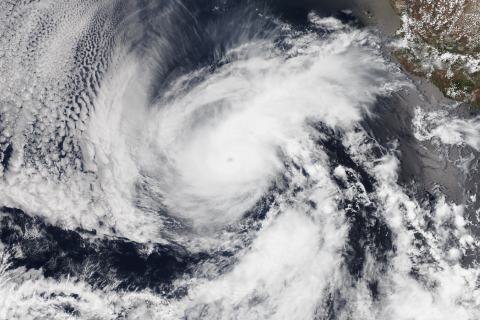
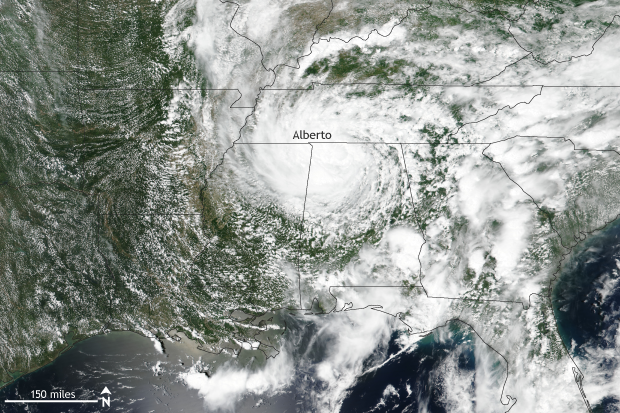
The first named storms of the Atlantic and eastern Pacific Ocean hurricane seasons formed during the end of May and beginning of June.
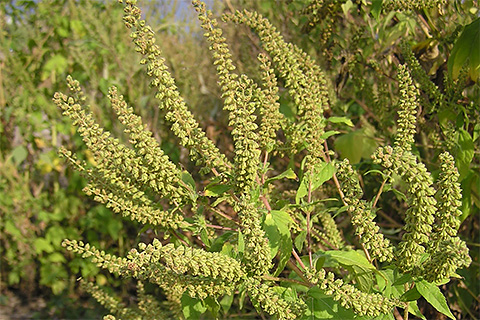
Hay fever might leave you wanting to live north of that Westeros Wall, but the farther north you live in the contiguous United States, the worse your allergies may get in a warming climate.
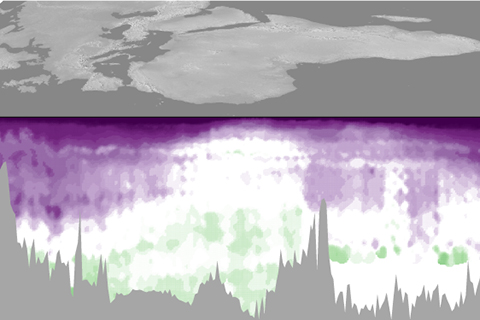
About a third of the carbon dioxide released by fossil fuel burning winds up in the global ocean. Repeat cruises help scientists understand what happens to that carbon below the water surface.
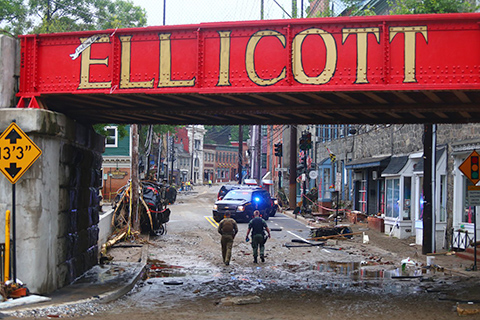
Less than two years after a massive flash flood destroyed large portions of the historic district of downtown Ellicott City, Maryland, even heavier rains led to a destructive repeat for the city in May 2018.
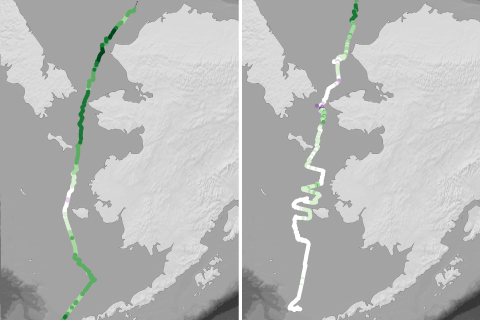
A saildrone observed the growth and decay of a bloom of ocean plants in the Alaskan Arctic in late summer 2017. Such blooms affect the rate of regional ocean acidification, which occurs as surface waters absorb human-produced carbon dioxide.
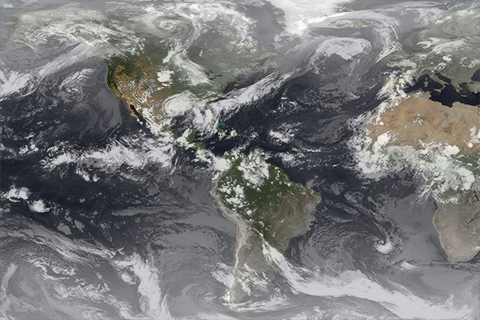
Want to forecast both weather and climate? First this means understanding the faster and slower moving features of our atmosphere, ocean, and land.