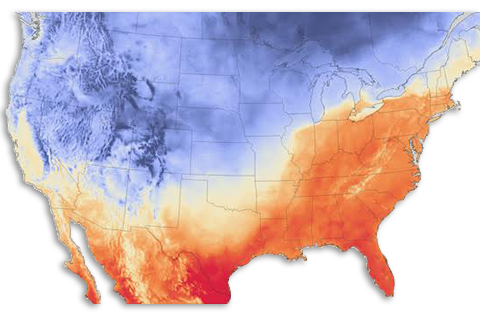
Extremely mild temperatures broke records across the central and eastern United States at the end of February.
Extremely mild temperatures broke records across the central and eastern United States at the end of February.
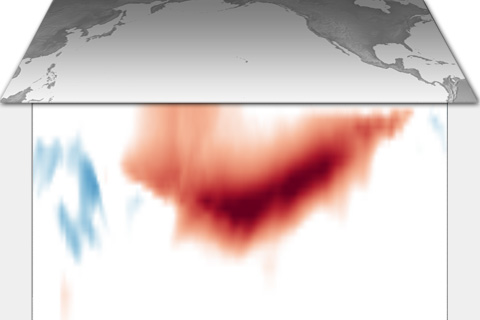
How much can forecasters say about ENSO during the spring? A lot depends on which phase—El Niño versus La Niña— the Pacific seems to be headed toward.
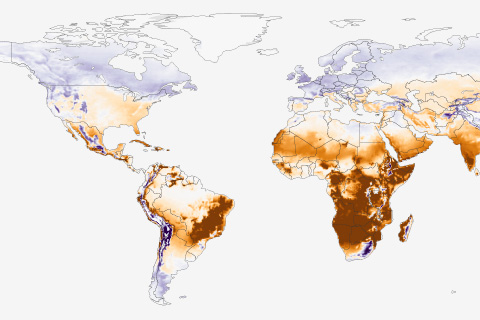
Mild days—perfect for an outdoor picnic or a nice hike—are expected to drop about 14 percent by the end of the century, according to new research.
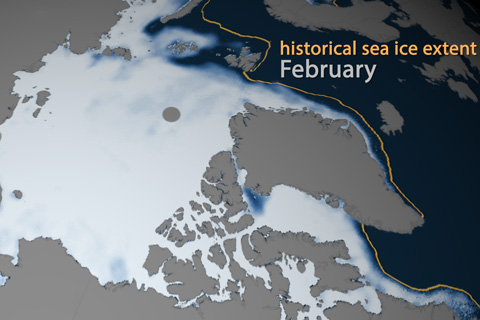
The Arctic sea ice's typical winter expansion has been sluggish in 2016-17. Following a record-low January extent, this year's winter maximum may wind up being the smallest on record.

Heavy rains in the first part of February 2017 raised water levels in California's Oroville Reservoir past capacity, and erosion of the spillways led to evacuations for communities below the dam.
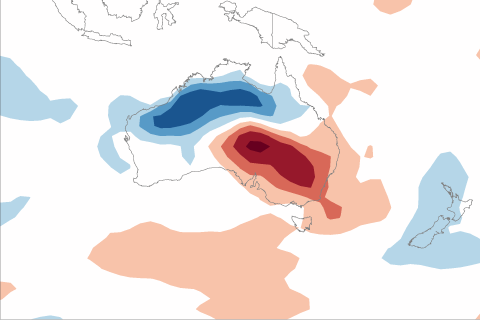
January 2017 saw hot summertime temperatures dominate across eastern Australia.
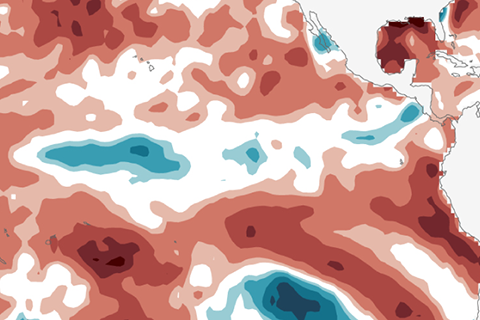
La Niña has ended. Our blogger covers what happened last month and what forecasters think is in store for the next few months.
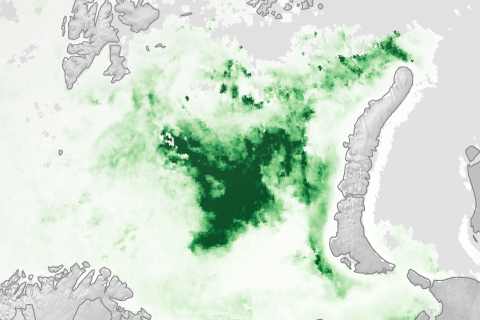
Springtime melting and retreating sea ice allowed more sunlight to reach the upper layers of the ocean, stimulating widespread blooms of algae and other tiny marine plants which form the base of the marine food chain: a sign of the rapid changes occurring in a warming Arctic.
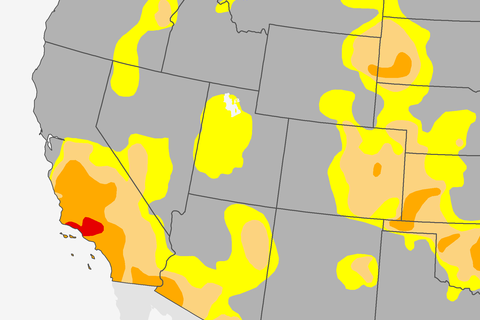
Just a few days ago, on January 26th, 2017, we saw something in the U.S. climate that we hadn’t seen since March 2011.
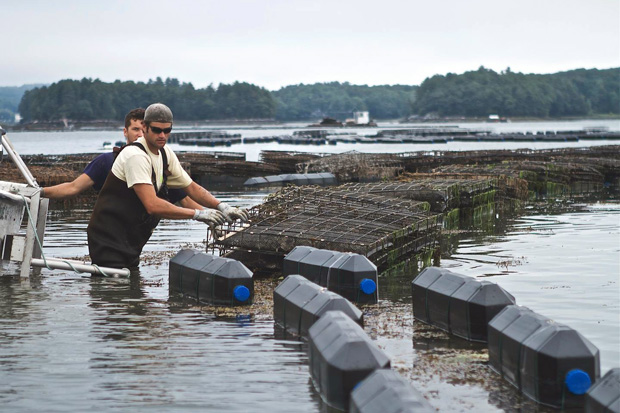
The oyster hatchery industry on the U.S. West Coast nearly collapsed when they were caught off guard by increasing acidity in the coastal waters. In Maine, an oyster grower is testing whether new NOAA-funded technology can prevent a repeat on the East Coast.