
Research supported by CPO’s Modeling, Analysis, Prediction, and Projections (MAPP) program has been published in Geophysical Research Letters . The study, titled "Spring Persistence, Transition and …
Research supported by CPO’s Modeling, Analysis, Prediction, and Projections (MAPP) program has been published in Geophysical Research Letters . The study, titled "Spring Persistence, Transition and …
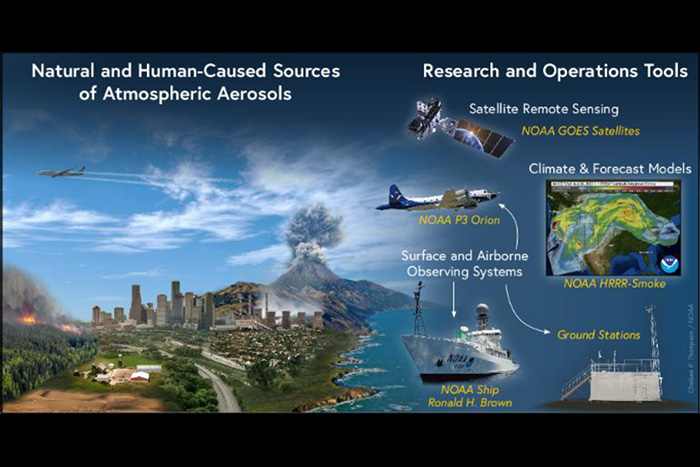
Aerosols—microscopic solid or liquid particles suspended in air—significantly affect the Earth’s weather, air quality, and climate. NOAA has just released an updated factsheet on aerosols and climate.
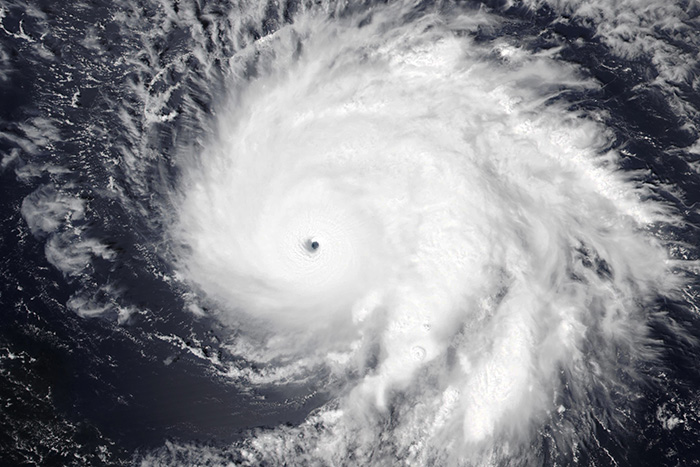
On average there are about 80 tropical cyclones a year. The question scientists ask is: why 80? Will this number increase or decrease as the planet warms? A new review paper, published in the Earth’s Future journal, presents the state of the science.
With lots of kids home from school, you might be looking for educational activities* that can be done without leaving the house. Here’s a quick roundup of NOAA’s most popular educational resources…

The National Integrated Heat Health Information System (NIHHIS) Interagency Communications Group will host a heat season awareness social media campaign during the week of May 16, 2022. Themes will cover heat-related illness, heat vulnerability, outdoor and indoor workers, exercise in hot conditions, and preparedness.
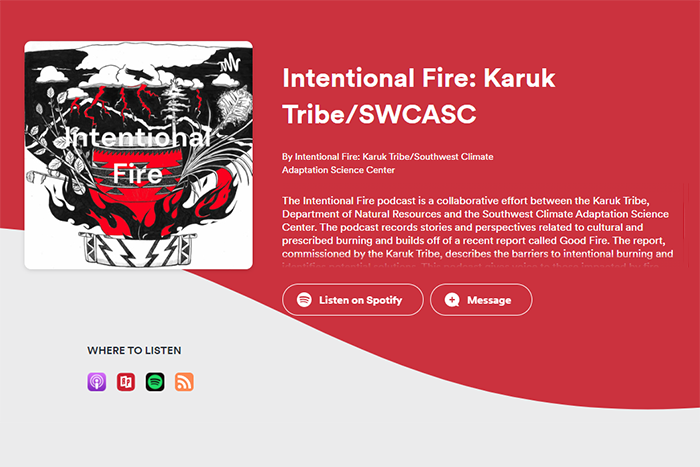
A NOAA co-investigator contributed to the new publication “Stories as data: Indigenous research sovereignty and the ‘Intentional Fire’ podcast,” which is now available online.