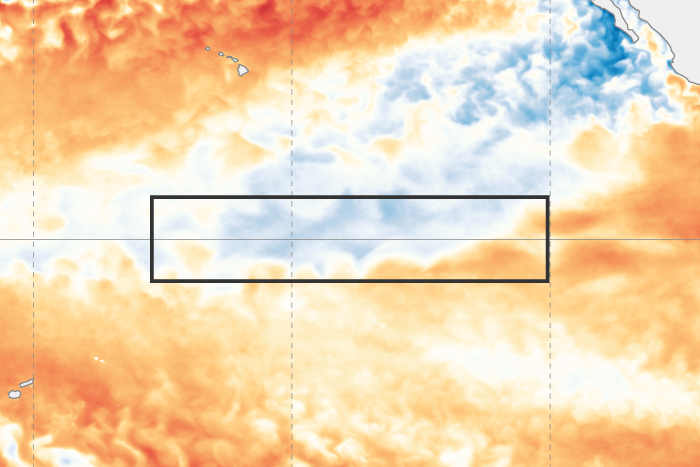
After just a few months, La Niña conditions have ended and the tropical Pacific has returned to neutral conditions. Our blogger gives you the scoop on La Niña's end and the forecast for the rest of 2025.
After just a few months, La Niña conditions have ended and the tropical Pacific has returned to neutral conditions. Our blogger gives you the scoop on La Niña's end and the forecast for the rest of 2025.
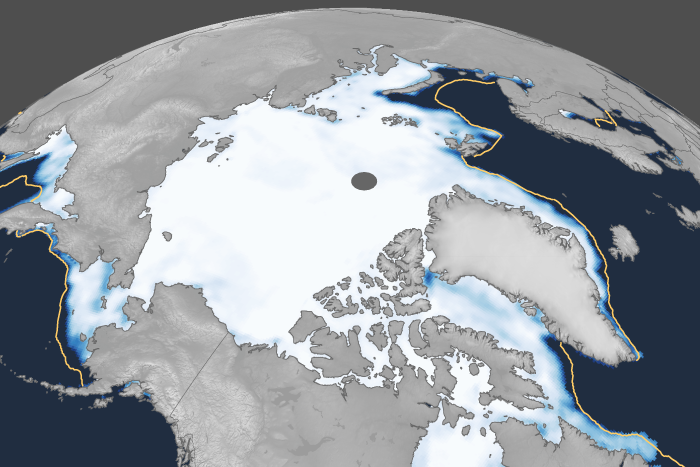
Arctic sea ice apparently reached its lowest winter maximum extent in the satellite record on March 22, 2025.
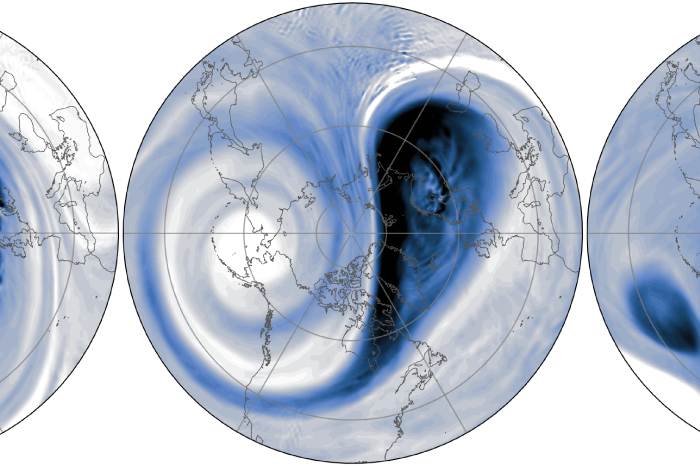
After spending much of the season with super strong wind speeds, the polar vortex bowed out two weeks ago, with the core west-to-east winds sliding off the pole. However, as it winds down for the season, the polar vortex still has a few tricks up its sleeve.
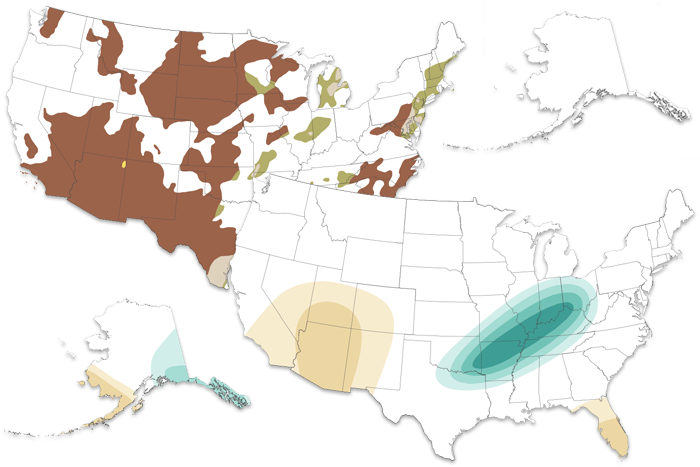
The April outlook favors mild temperatures across the South, a wet month in parts of the Ohio and Mississippi Valleys, and drought persistence in the West.
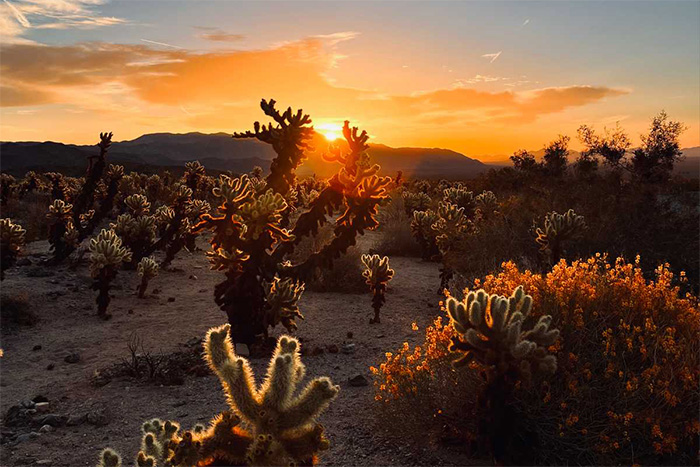
Released in 2023, the Fifth National Climate Assessment (NCA5)'s Art × Climate gallery encourages people to engage with climate in a new way. This youth entry by Diya P. showcases natural beauty in the desert Southwest.
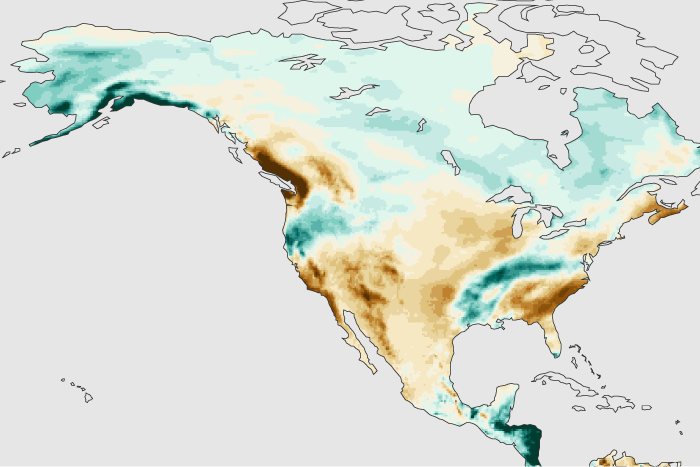
It’s March Madness, ENSO style! Our blogger discusses why the North American precipitation pattern this past winter looked more like the response to a moderate-strength La Niña than to a weak event.
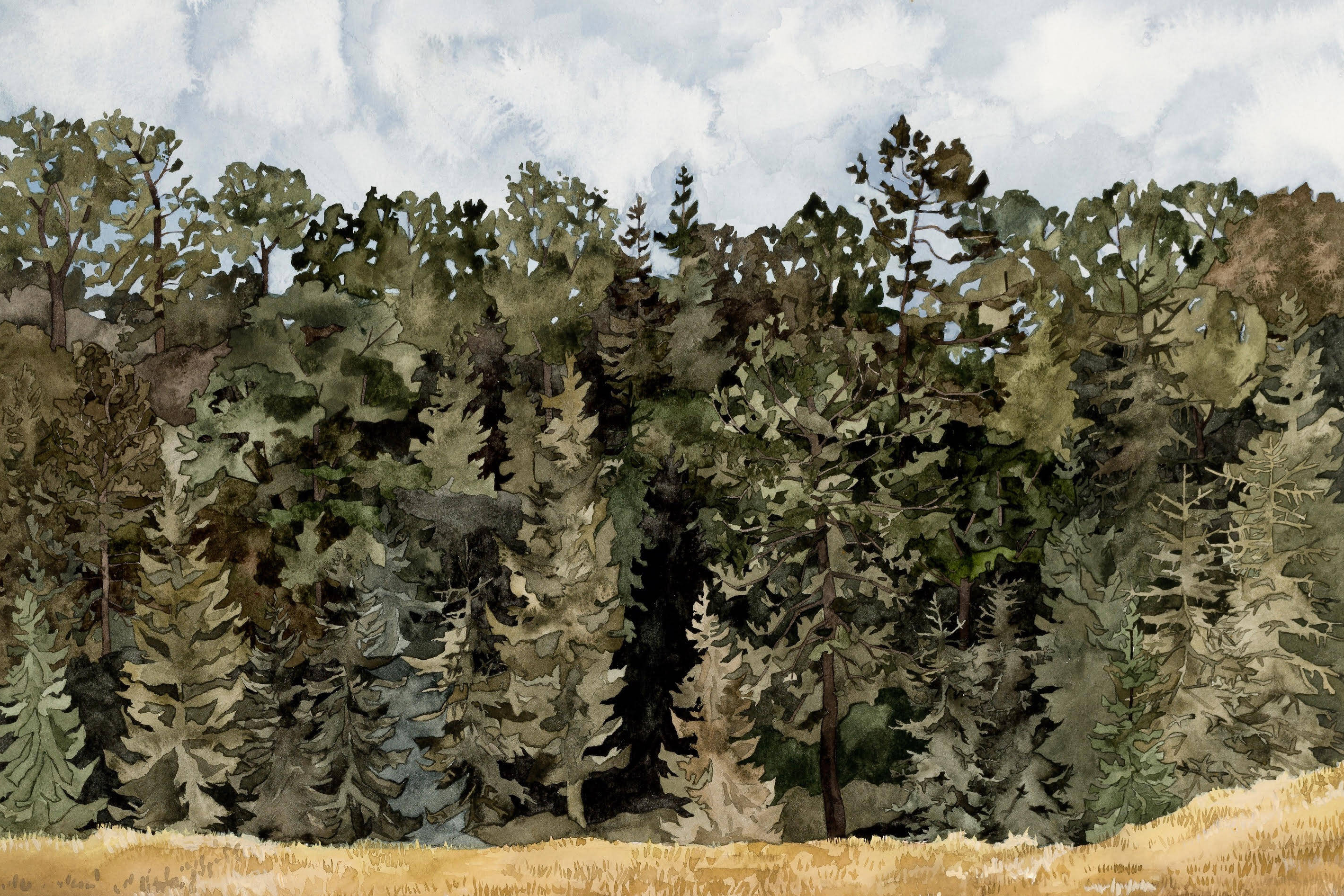
Released in 2023, the Fifth National Climate Assessment (NCA5)'s Art × Climate gallery encourages people to engage with climate in a new way. This work by Jillian Pelto captures mitigation efforts.
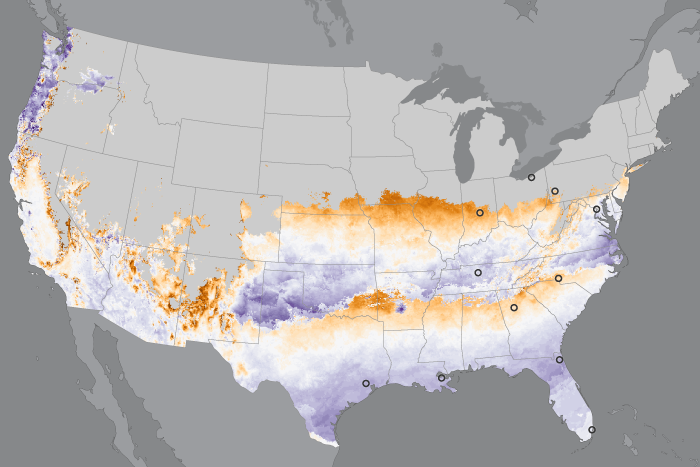
While the first day of spring arrives on March 20, many places across the United States see their first signs of the season much sooner. The Spring First Leaf Index, provided by the USA National Phenology Network, tracks when and where the first signs of spring appear.
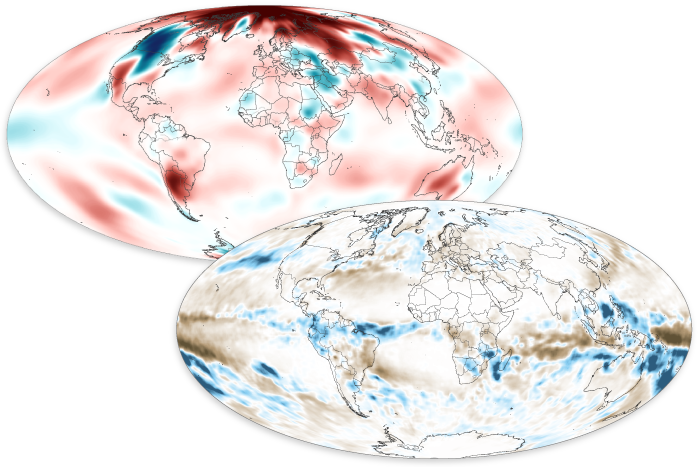
Temperatures were above average over much of the globe, particularly in the Arctic, but much below average over western Canada and the central United States.
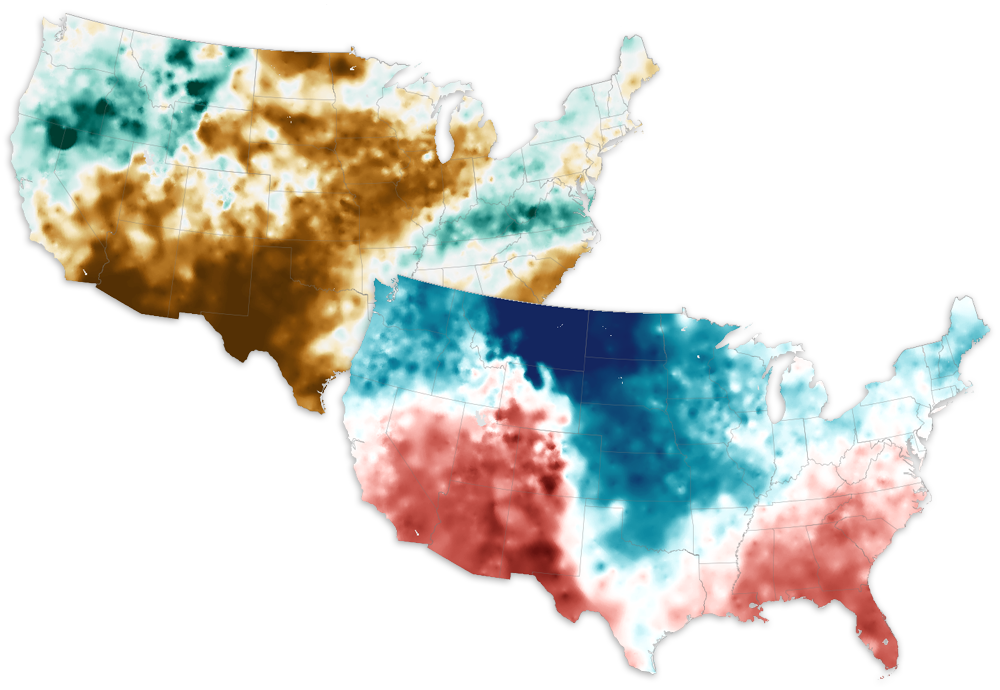
Winter was warm and dry for the contiguous U.S.; seasonal snowfall was below average across the Northern Plains and Upper Midwest.