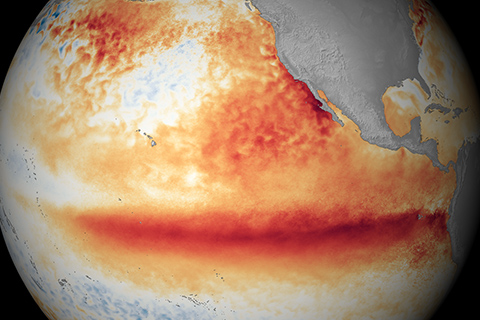
Answers to some of the questions that readers frequently ask NOAA experts about El Niño and La Niña.
Answers to some of the questions that readers frequently ask NOAA experts about El Niño and La Niña.
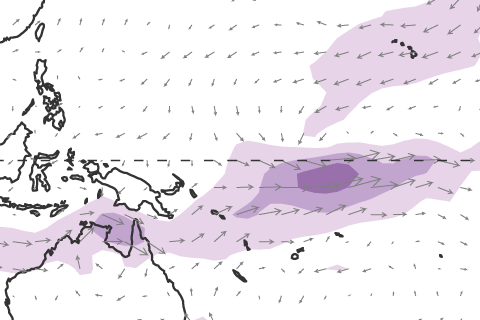
The tropical Pacific is an exciting place these days. What’s been going on recently?

How can climate extremes affect our nation’s most popular alcoholic beverage?
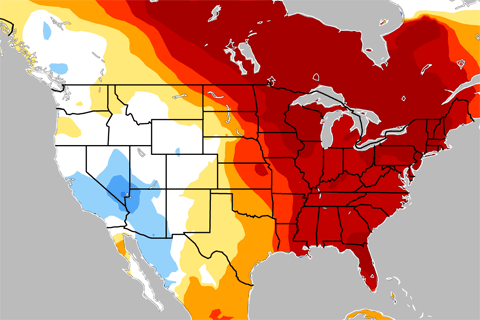
Was El Niño to blame for the above-average temperatures during November and December 2015? As always, the answer is not that simple.
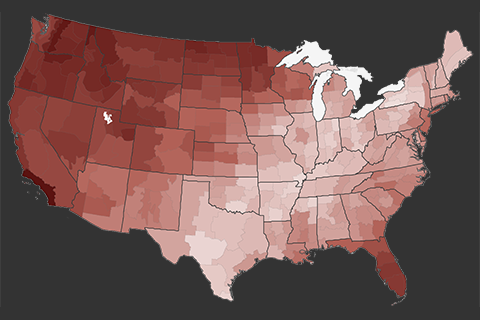
The 2015 annual average U.S. temperature was 54.4°F, 2.4°F above the 20th century average, the second warmest year on record.
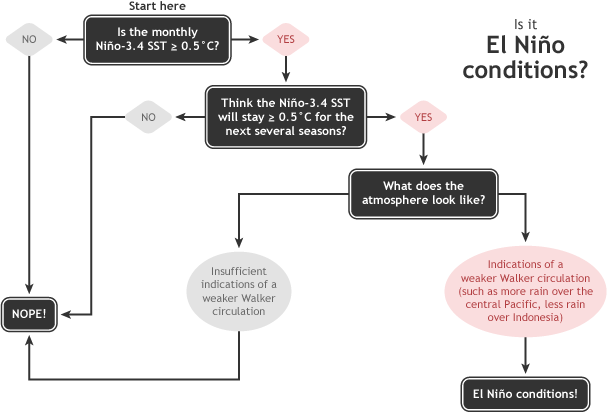
NOAA's Climate Prediction Center monitors and issues outlooks for El Niño and La Niña using a 2-category (watch/advisory) alert system.
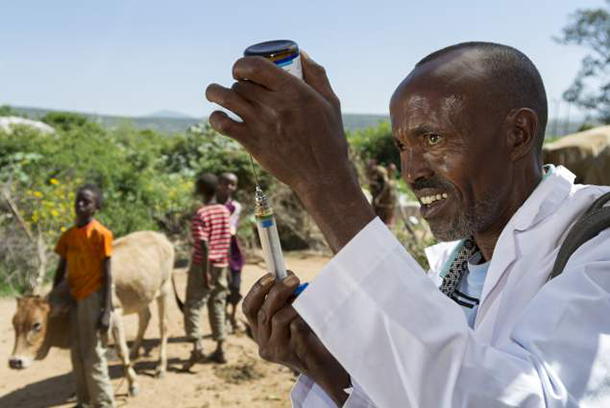
With this year's ongoing El Niño event, parts of East Africa may be ripe for a potential outbreak of Rift Valley Fever. See how government agencies are using climate data to help predict, and hopefully prevent, an outbreak of this deadly mosquito-borne virus that affects both people and valuable livestock.
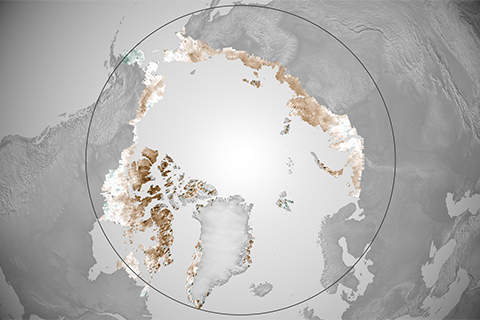
As the Arctic has warmed over the past three decades, satellites reveal it has also grown greener overall. But in recent years, the tundra appears to be “browning down.”
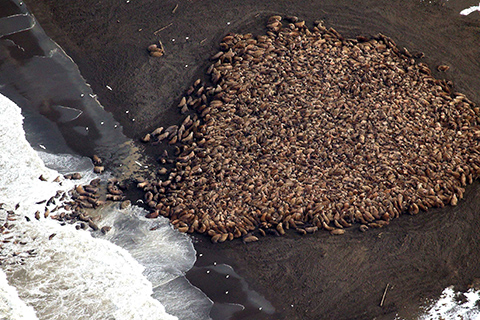
Walruses use sea ice for mating, giving birth, and resting, which means they face an increasing threat from global warming.
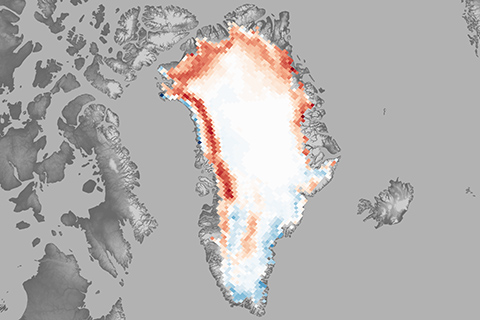
The melt season was up to 30 to 40 days longer than average in western, northwestern, and northeastern Greenland, but was close to or below average elsewhere on the ice sheet. Melt area was above average on 52 of the 90 days of the melt season.