Starting in July, when you hear that a day was hotter, or colder, or rainier than normal, that normal will be a little different from what it was in the past.
Starting in July, when you hear that a day was hotter, or colder, or rainier than normal, that normal will be a little different from what it was in the past.
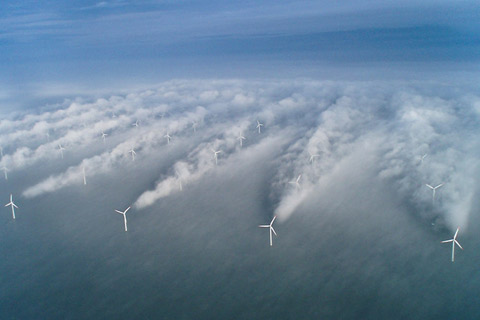
Normally invisible, wind turbine wakes come to life over the ocean, fascinating scientists who study winds in the lower atmosphere.
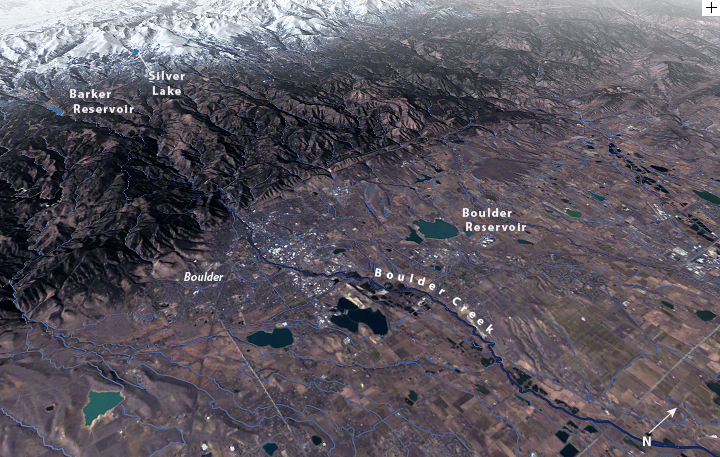
For decades, the City of Boulder, Colorado, has been successfully managing its water supply despite the challenges of being located in a semi-arid climate. But a local water manager wonders if climate change will change the rules of the game...
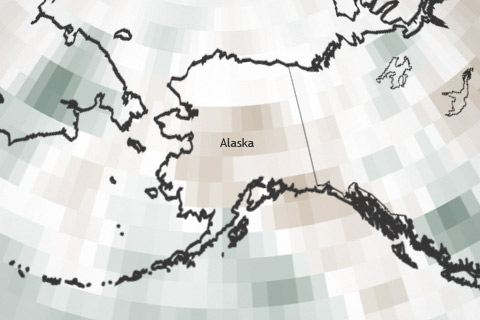
All but a handful of weather stations across Alaska reported well below-normal precipitation in May 2011, placing that month in a statistical tie with May 1974 as the driest May since records began in 1918.
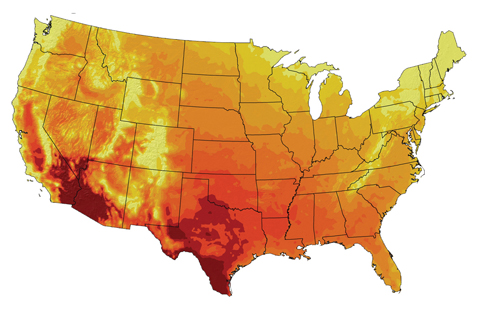
Climate models project that 100-degree days will become more numerous and widespread by the end of the century if greenhouse gas emissions continue to rise.
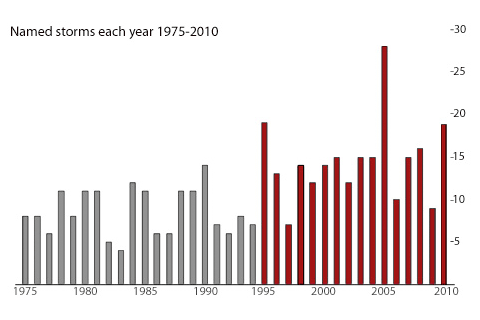
Above-average sea surface temperatures, a natural cycle of increased hurricane activity, and a fading La Nina have influenced the 2011 Atlantic hurricane outlook.
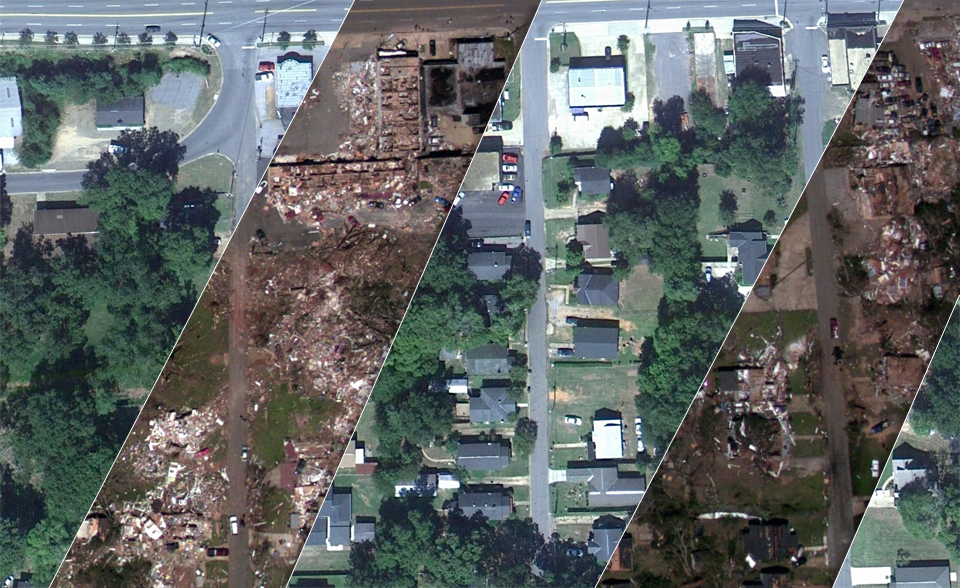
The tornado outbreak across the southern United States in late April 2011 was deadly, devastating, and record breaking. NOAA's "CSI" team is investigating the possible connections between global warming, natural climate patterns, and tornadoes.
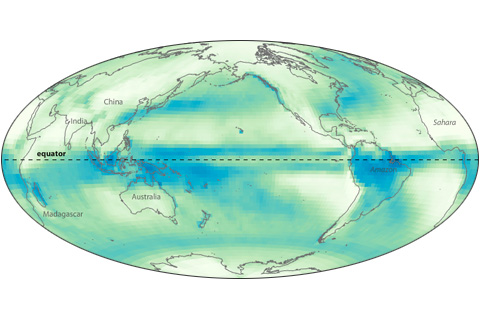
Near the Earth’s equator, solar heating is intense year round. Converging trade winds and abundant water vapor all combine to produce a persistent belt of daily showers known as the Intertropical Convergence Zone.

As far back as August 2010, NOAA's seasonal climate models predicted that rainfall would be heavier than normal across Indonesia and Southeast Asia in early 2011. The cause? La Niña.
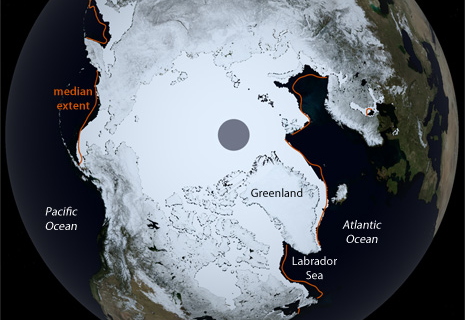
Arctic sea ice extent for the month of March was the second lowest in the satellite record. Ice cover at winter maximum continues to be dominated by young, thin ice.