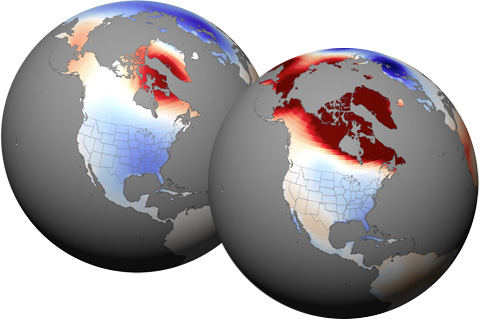
Natural climate phenomena—the North Atlantic Oscillation & La Niña—can explain much of this winter's temperature patterns across North America.
Natural climate phenomena—the North Atlantic Oscillation & La Niña—can explain much of this winter's temperature patterns across North America.
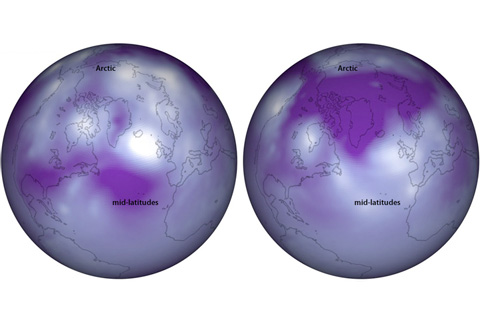
Large-scale shifting of the weight of the atmosphere between mid- and high latitudes creates climate patterns known as the Arctic and North Atlantic Oscillations. These patterns have a big influence on winter weather in the Eastern U.S.
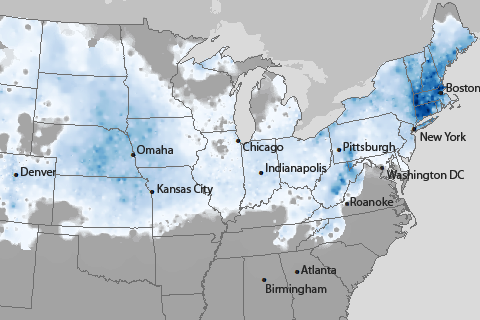
How did this year’s storms compare to the worst in recent history?
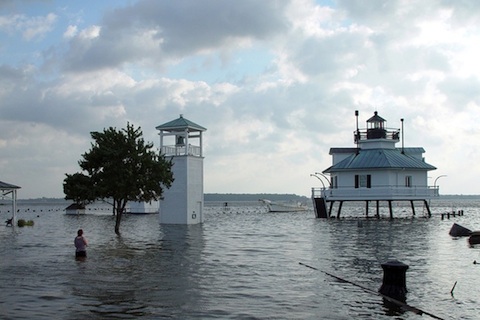
The arrival of Hurricane Isabel in 2003 flooded the retirement home of a Chesapeake Bay couple. With sea level around the Chesapeake Bay rising faster than the global average, how are coastal residents planning for change?

For the record books: A review of the ten most significant or unusual global climate or weather events of 2011, as ranked by NOAA’s National Climatic Data Center in its yearly review of the Earth’s climate.
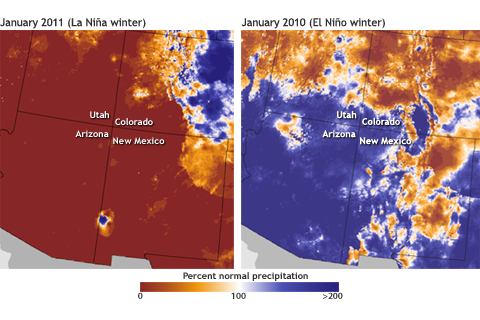
Drought conditions have become more widespread and severe in the Southwest in the first part of 2011.
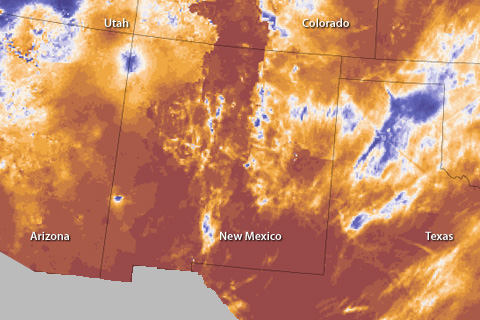
Most of the southwestern United States is having a very dry winter. The northern parts of Arizona and New Mexico were clipped by a few drenching storms exiting California in December, but dry conditions are more the norm.
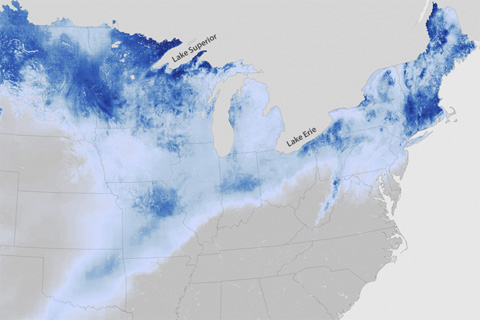
Deep snow that fell across the Great Plains and the Northeast in late January and early February is the latest installment in the second very wintry winter in a row for the eastern U.S.
Will climate change affect frequency or intensity of El Niño and La Niña? There is still little consensus among scientists on this, explains the International Research Institute for Climate and Society’s Lisa Goddard.
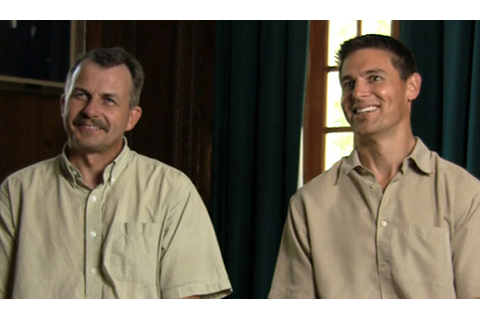
El Niño and La Niña can significantly alter seasonal climate conditions, such as temperature and rainfall patterns, in many parts of the world. Scientists Brad Lyon and Paul Block explain the potential impacts of La Niña in different parts of Africa.