News & Features
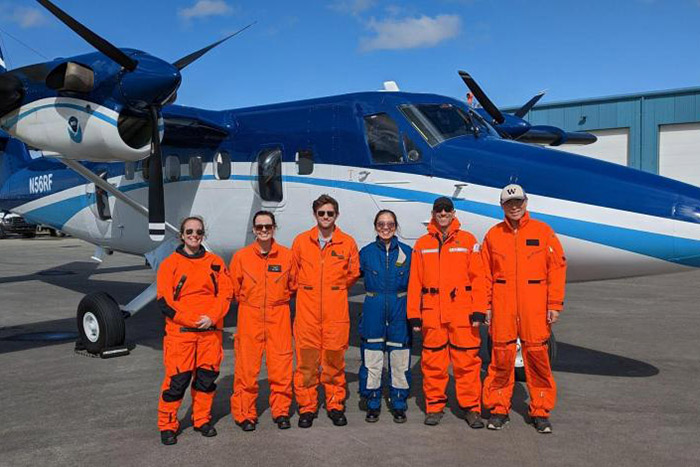
NOAA and partner scientists recently completed two successful field tests in the US Arctic merging new technologies and traditional ship surveys of phytoplankton species distributions in response to surface warming.

Click here to view a NOAA Science On a Sphere animation of this summer's Arctic snow and ice melt As the Arctic sea-ice melt season nears its peak, one community of scientists is poring ...
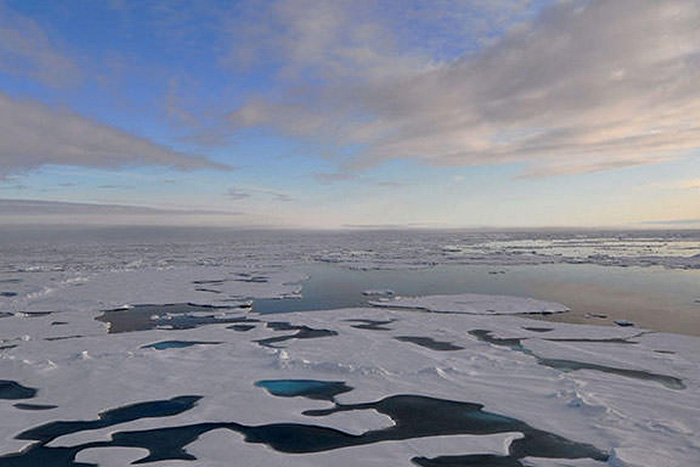
A study finds that the Arctic Ocean transition from summer heating to autumn cooling aligns closely with the September 22 equinox.
New CPO-supported research found that decreasing Arctic sea ice has been an important contributor to changes in atmospheric circulation and temperature, both factors promoting Greenland’s surface ...
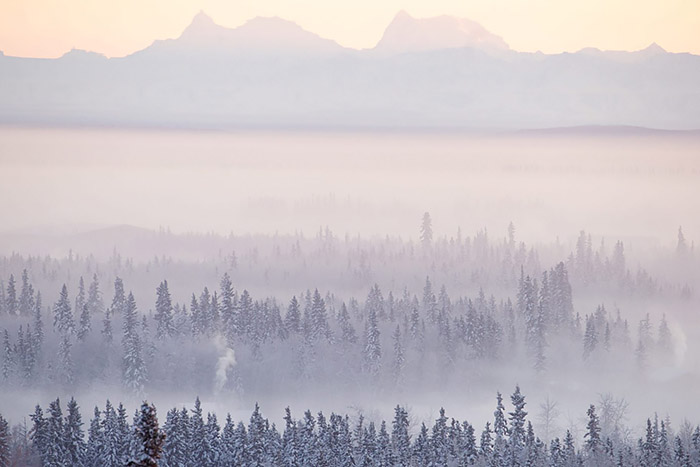
A new study aims to understand winter air pollution in cold regions like Fairbanks, Alaska. It finds that outdoor air has high levels of particles and gases, especially during pollution events.
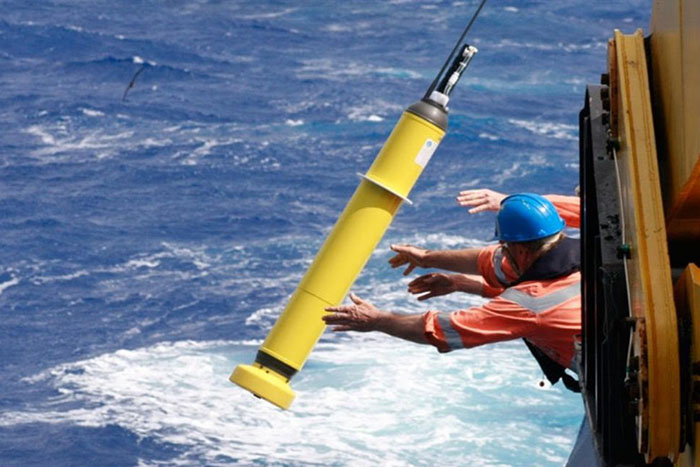
This month marks 25 years since Argo floats began drifting with currents and diving for data. The array has helped scientists to better understand changes in the ocean, improve climate and weather forecasts and ultimately help society prepare for environmental change.
The article “Enabling Climate and Energy Literacy: A Shared Effort” about the CLEAN collection (featured on NOAA’s Climate.gov Portal) made the front page of the September issue of the American ...
The program aims to strengthen for-profit climate service providers’ competencies for using and building upon the climate data, information, services, and strategies that have been developed ...