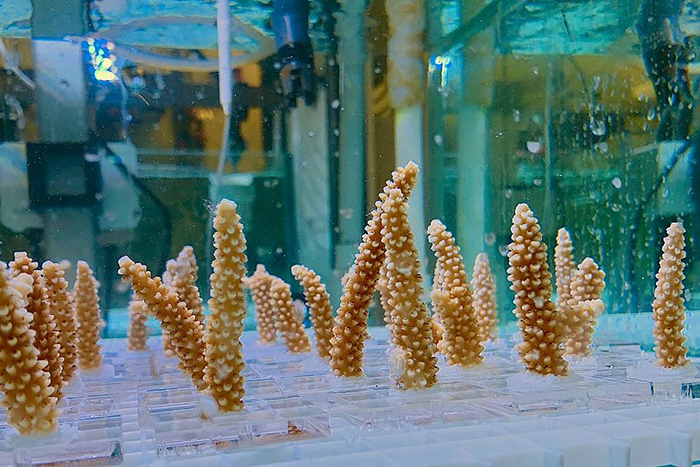
A recent study has identified genetic variants in staghorn coral, Acropora cervicornis, that can tolerate elevated temperatures and nutrient pollution, two environmental stressors that put this critically endangered species at risk.
A recent study has identified genetic variants in staghorn coral, Acropora cervicornis, that can tolerate elevated temperatures and nutrient pollution, two environmental stressors that put this critically endangered species at risk.
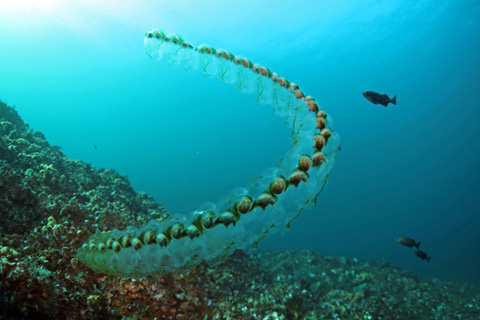
Research funded by NOAA SeaGrant describes major "flux events" in which the ocean food web that turns carbon from the atmosphere into solid carbon that settles on the sea floor.

This year, we want to make sure you “carve” out some time for some Halloween fun! Our new pumpkin carving templates take you on an adventure from satellites far above our heads to sea creatures in…
Key Findings A new coupled chemistry-carbon-climate Earth system model, ESM4.1, has been developed at the Geophysical Fluid Dynamics Laboratory. ESM4.1 unifies advances across several past…