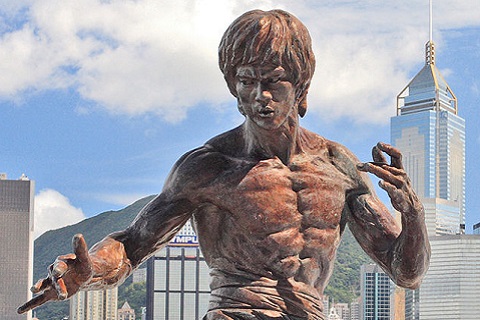
El Niño continues to build. What happened during June? What's the forecast? And what does Bruce Lee have to do with anything?
El Niño continues to build. What happened during June? What's the forecast? And what does Bruce Lee have to do with anything?
“El Niño is Strong!” “No, it’s Moderate!” “But the [insert your favorite ENSO indicator here] is the largest it’s been since the El Niño of 1997-98!”
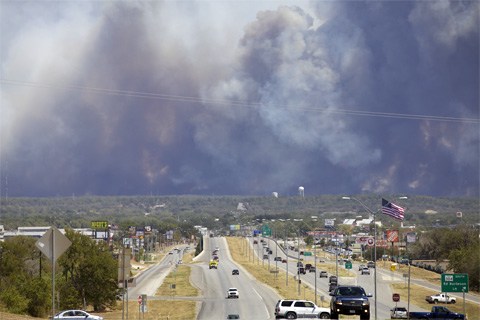
NCEI's Jake Crouch reflects on entering the field of climate monitoring during a historic drought in the Southern Plains.
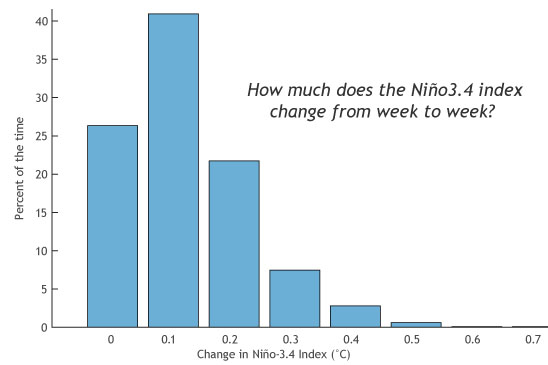
...but it's still a seasonal forecaster's best friend.
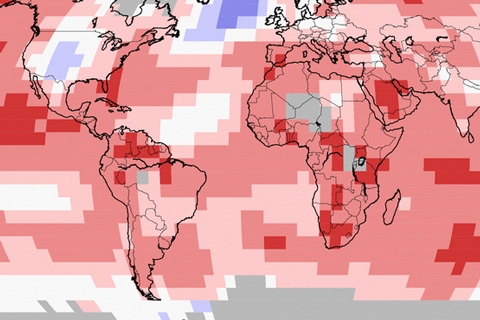
For those trying to guess the May 2015 global temperature as part of our 'Climate Challenge' game, the climate served up a new record. Nowhere was record cool, but lots of places were record warm.
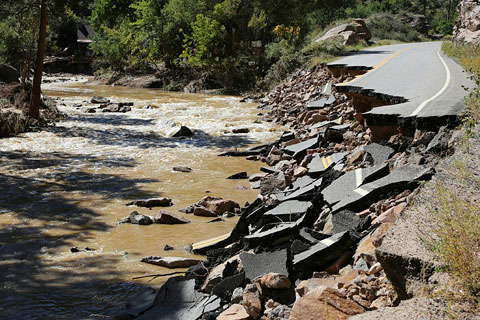
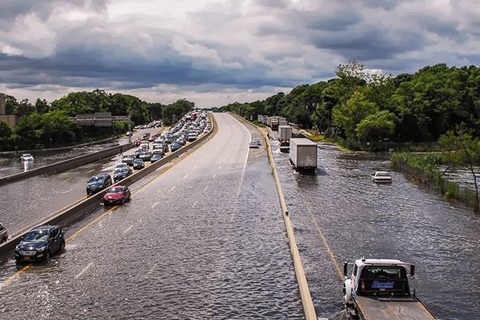
After an extremely heavy rain in September 2013 destroyed 500 miles of roads, Colorado is redesigning some riverside roadways to be more resilient to future floods.
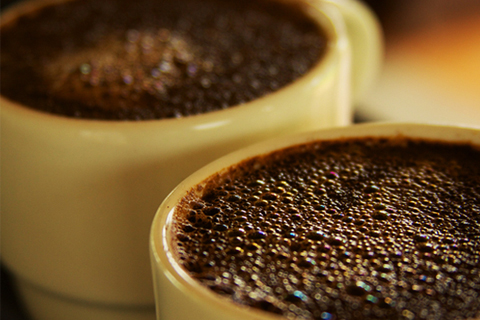
Coffee lovers now consume more than 2.25 billion cups a day, but climate change may increase the cost and harm the taste of this popular beverage--not to mention threaten the livelihoods of millions of small farmers.
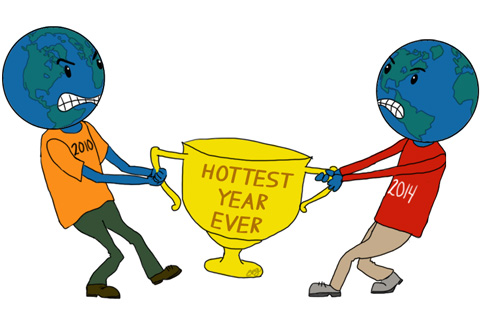
Why ranking the years is kinda genius, and kinda dumb.
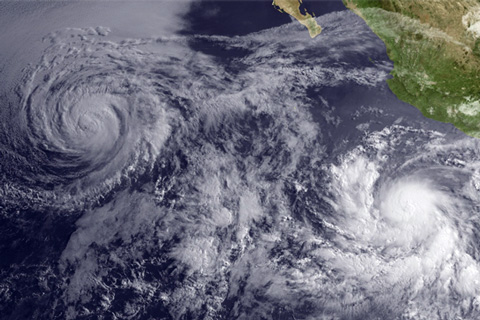
The eastern Pacific hurricane season has gotten off to a quick start. How quick? Read on to find out.
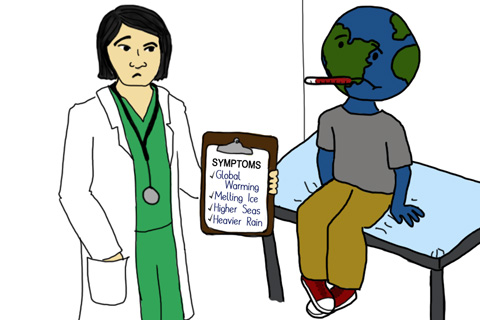
Global warming is one symptom of the much larger problem of human-caused climate change.