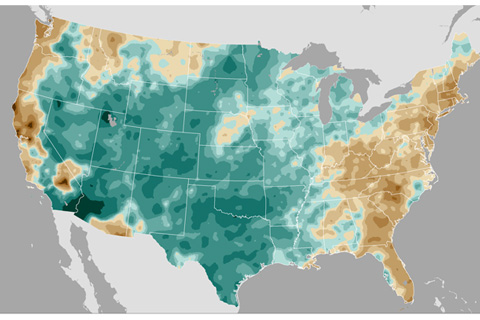
The nationwide average precipitation was the highest ever recorded in 121 years. Devastating floods ended a multi-year drought in the Southern Plains.
The nationwide average precipitation was the highest ever recorded in 121 years. Devastating floods ended a multi-year drought in the Southern Plains.
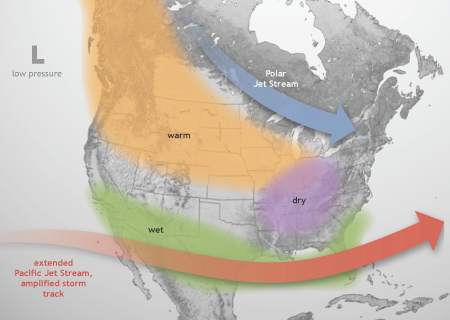
There’s a very high probability that El Niño will continue through the fall and early winter, and it could become a strong event.
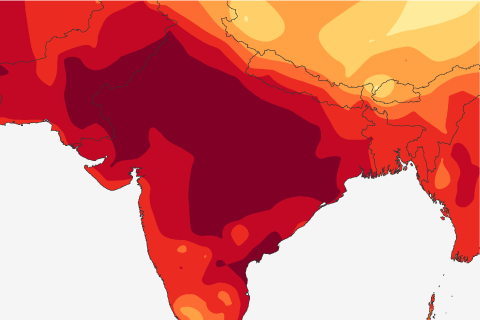
Meteorologist Tom Di Liberto explains how an unusual wind pattern and a late monsoon contributed to India's deadly May 2015 heatwave.
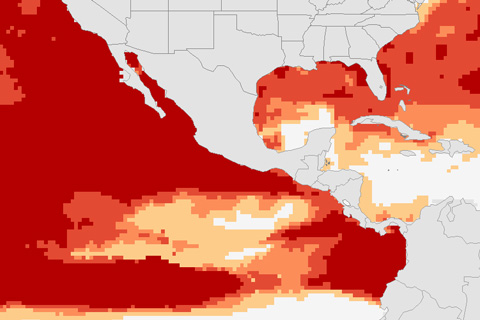
After an intense start to 2015, the waters of the South Pacific are finally cooling off, bringing relief to corals. But NOAA scientists expect stressful conditions to spread into the northeast Pacific and the Caribbean this summer.
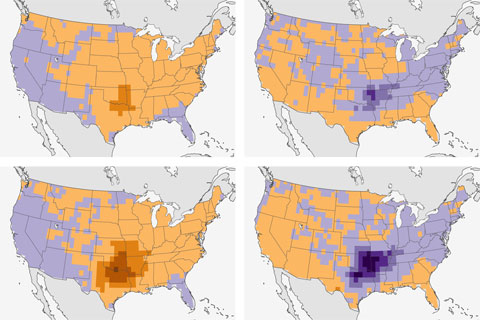
Scienitsts find connection between El Niño and fewer spring tornadoes in the south-central United States.
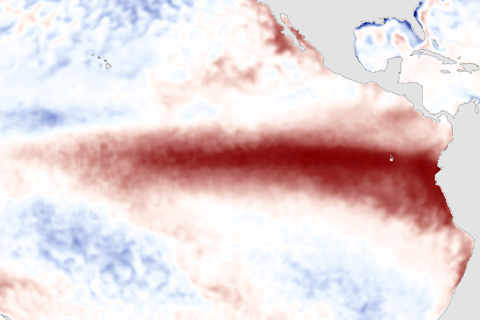
Everyone's asking if the arrival of El Niño guarantees that 2015 will set a new record for warmest global temperature. In his latest blog, Deke Arndt explains why it's possible--maybe even likely--but not guaranteed.
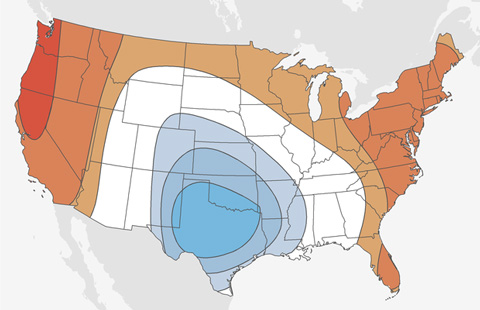
The monthly climate outlook for June favors more heat for Alaska and the West, more rain for Texas and the East.
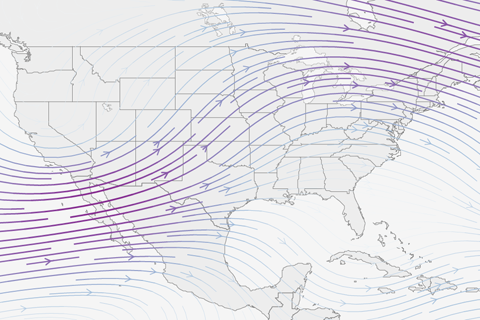
Rainfall totals across parts of Texas and Oklahoma were several hundred percent above normal in May 2015, leading to record-breaking flood levels on many rivers.
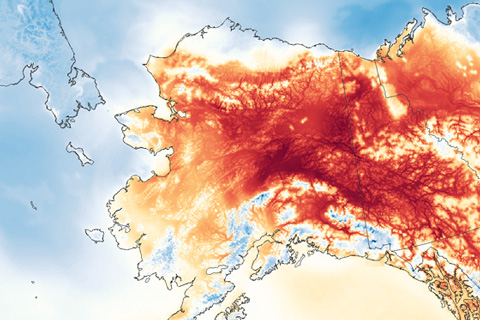
On the afternoon of May 23, Alaska set a new statewide record for the earliest day in the year with a temperature in the 90s.
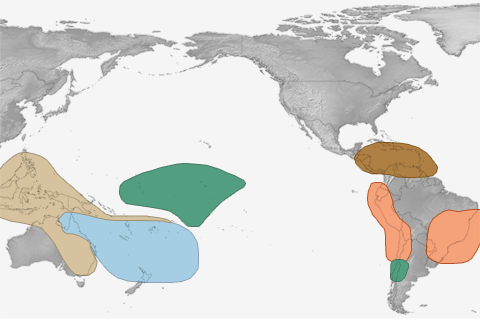
El Niño is the 800-pound gorilla for the winter climate in the U.S., but in summer, it's more like a 6-pound Chihuahua.