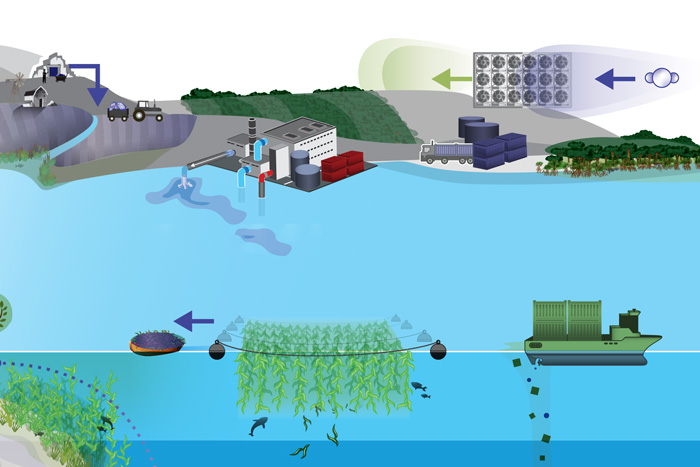
One strategy for combating climate change is to enhance natural processes and/or deploy new technologies that remove carbon dioxide from the air and ocean.
One strategy for combating climate change is to enhance natural processes and/or deploy new technologies that remove carbon dioxide from the air and ocean.
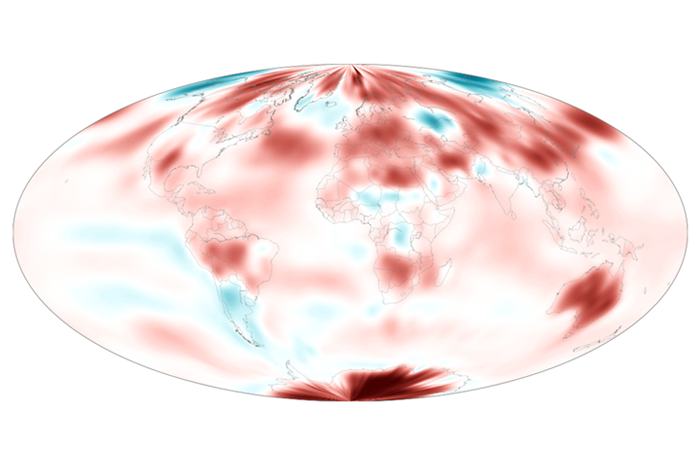
August was 15th consecutive month of record-setting global temperatures, and it brought the second-lowest August sea ice extent in the Antarctic.
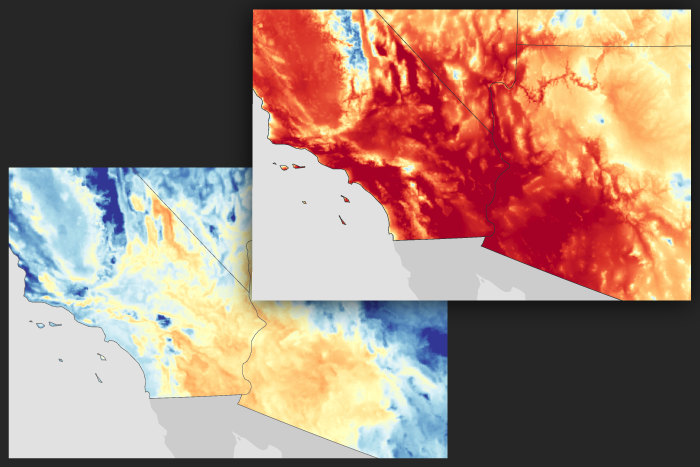
A triple-digit heat wave intensified fires and caused a spike in heat-related ER visits.
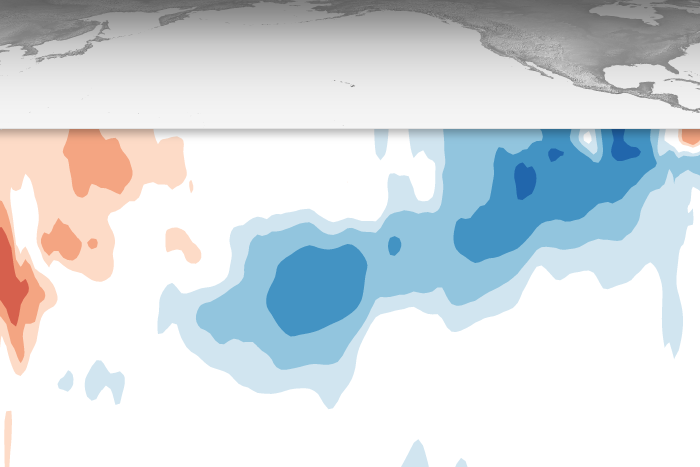
There have been plenty of episodes in this season's La Niña Watch. Our blogger recaps what's happened so far and what we can expect in the upcoming months.
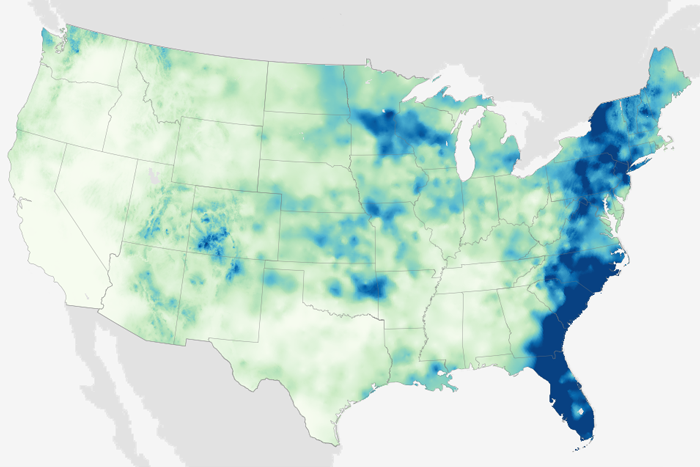
Three tropical systems brought heavy rain and wind to the U.S. and its territories in August; it was the fourth-warmest summer on record for the contiguous U.S., and many cities were gripped by record heat.
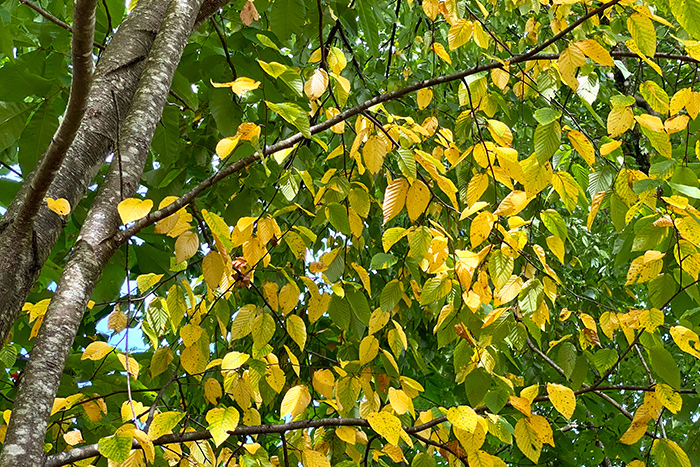
For the first time since a nationwide drought-monitoring system was launched in 2000, drought conditions in parts of West Virginia reached "exceptional" status.
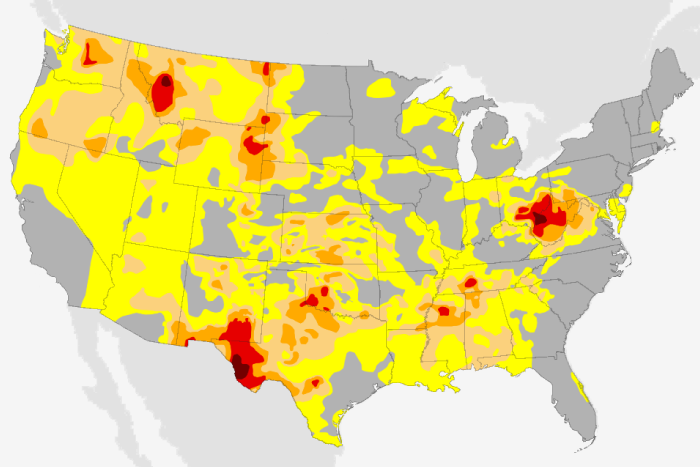
The highest odds for a much warmer than normal September are in the central West and southern Florida. The highest odds for a much drier than normal September are in the Upper Midwest.
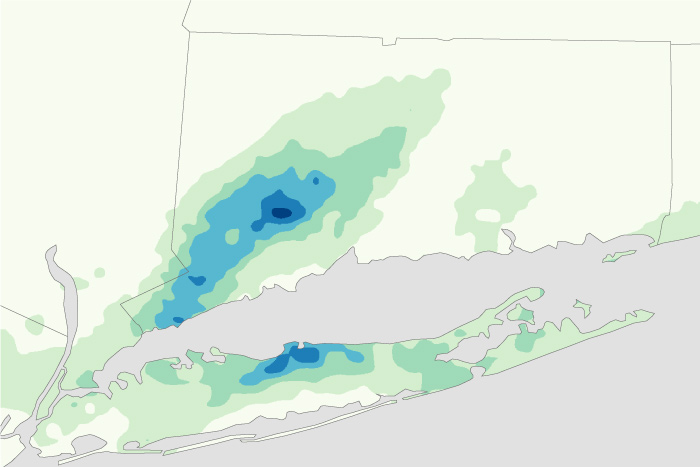
Rainfall totals in Connecticut are under investigation as possible new state record for most rain in 24 hours.
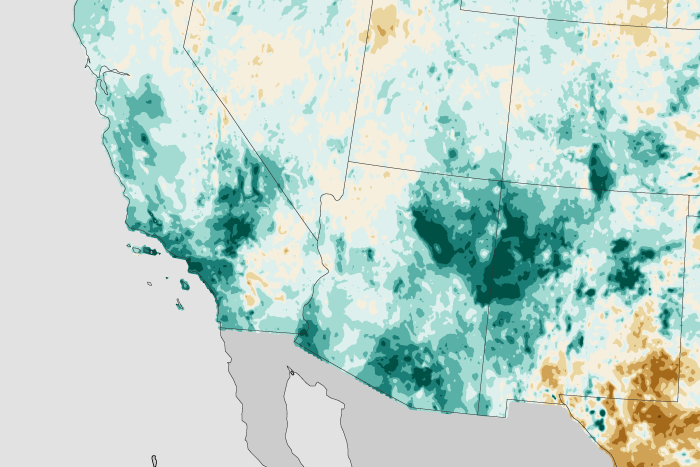
La Niña conditions are likely for later this year. What could that mean for drought in the Southwest?
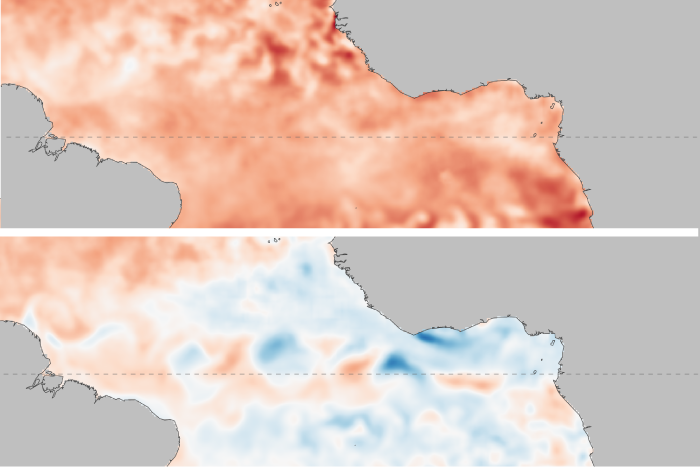
An intermediate follow-up post on the possible Atlantic Niña.