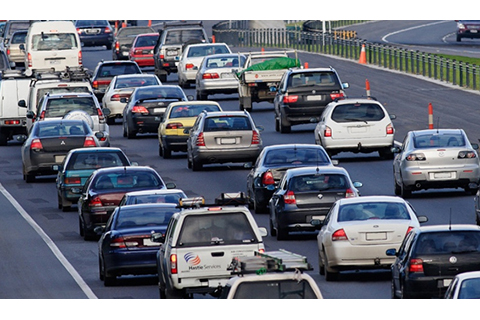
Claudia Mengelt and Robert Fri talk about strategies for adapting to and reducing global climate change.
Claudia Mengelt and Robert Fri talk about strategies for adapting to and reducing global climate change.
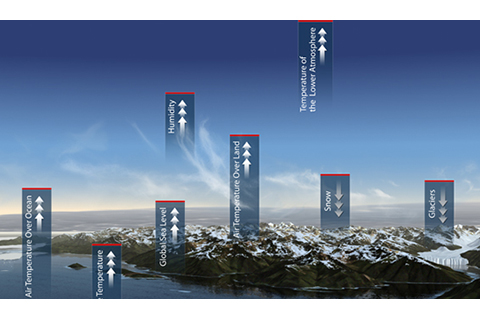
Deke Arndt, chief of NOAA's Climate Monitoring Branch, presents the preponderance of scientific evidence that climate change is occurring and that humans are the primary cause.

Although they are related, meteorology and climatology have important differences, particularly in how scientists develop and use weather and climate models. What makes climatologists think they can project climate scenarios decades into the future when meteorologists cannot accurately predict weather more than two weeks in advance? This presentation by Wayne Higgins of NOAA's Climate Prediction Center clarifies the relationships and differences between weather and climate, as well as the differences between natural climate variability and human-induced climate change.
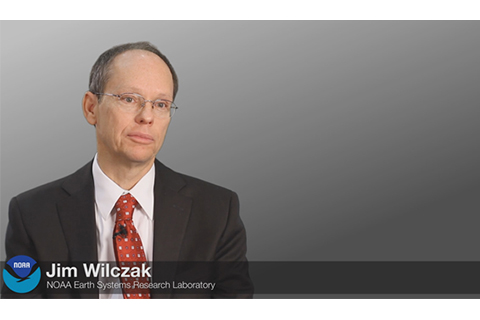
Jim Wilczak describes the information NOAA provides to guide optimal wind energy development.
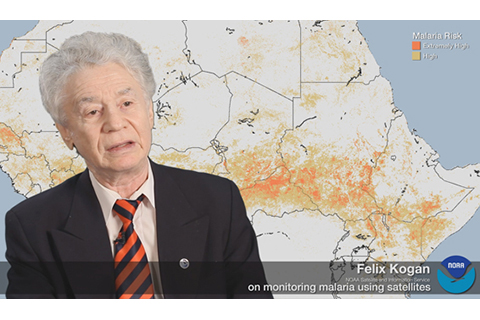
Felix Kogan talks about using satellites to observe and forecast the climate conditions that lead to mosquito–and malaria–outbreaks.
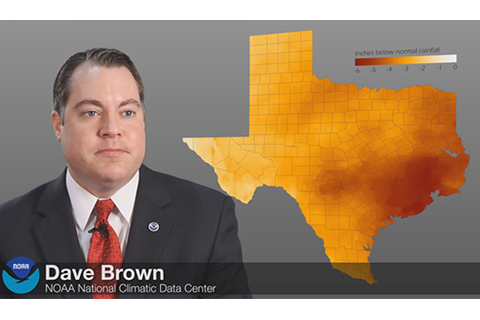
The ongoing drought of 2011-2012 has been front and center for people in the southern United States, including the southwestern United States. Dave Brown, Director of Climate Services for the Southern Region through NOAA's National Climatic Data Center, speaks about the causes, impacts, and outlook for this widepread climate event.
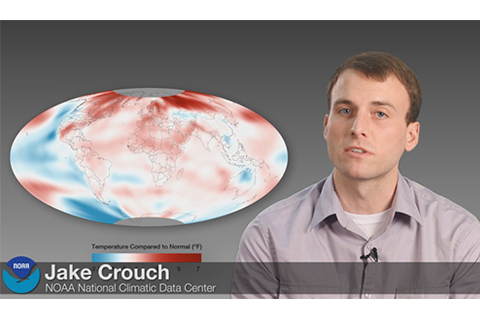
Jake Crouch of the National Climatic Data Center recaps the temperature patterns of 2011, emphasizing the much greater than average warmth across Arctic latitudes and the influence of La Niña in the tropical Pacific.
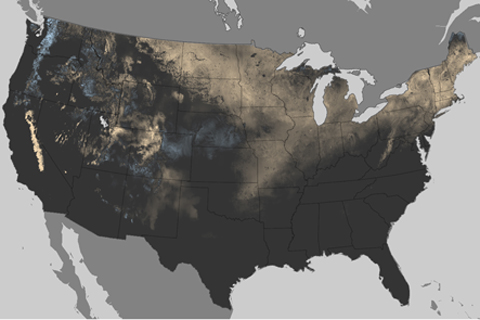
Last year on Groundhog’s Day, large swaths of the country were covered in two feet of snow or more after a large storm pounded the eastern United States. This year, Punxsutawney Phil emerged from his den on a balmy day after the third-least snowy January on record. A comparison of snowfall (or lack thereof) so far this season to last year's winter white-out shows what a difference a year makes.
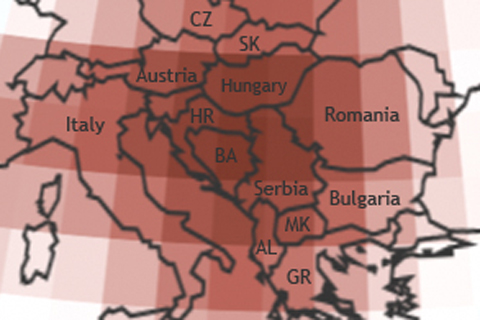
During the third week of August, portions of southern Europe and western Russia experienced a heat wave. Temperatures skyrocketed near 90 to over 100°F over several consecutive days, prompting emergency heat alerts.
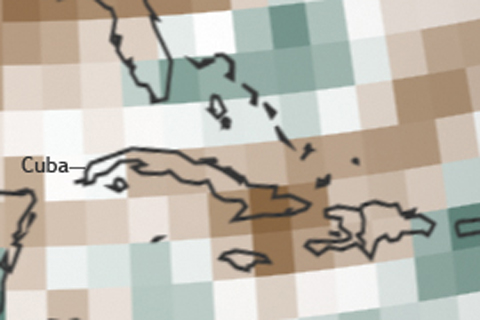
Cuba experienced extreme drought conditions in 2011, marking one of the driest years in the nation’s history and causing serious shortages in water supplies.