No. By a large majority, climate scientists agree that average global temperature today is warmer than in pre-industrial times, and that human activity is the primary contributing factor.
No. By a large majority, climate scientists agree that average global temperature today is warmer than in pre-industrial times, and that human activity is the primary contributing factor.
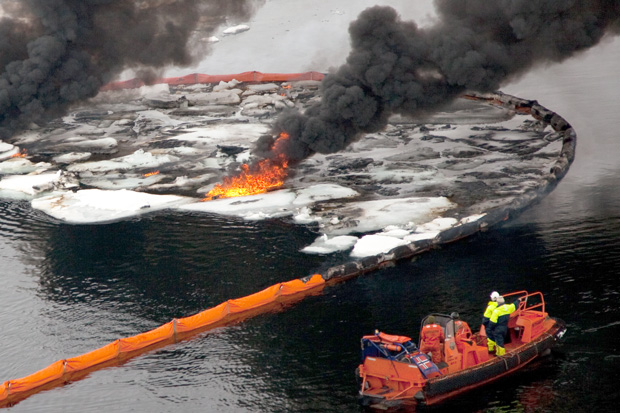
A new crop of studies funded by NOAA's Climate Program Office explores a range of questions about sea ice forecasting, including one of the most basic: how far ahead is it even possible to predict it?
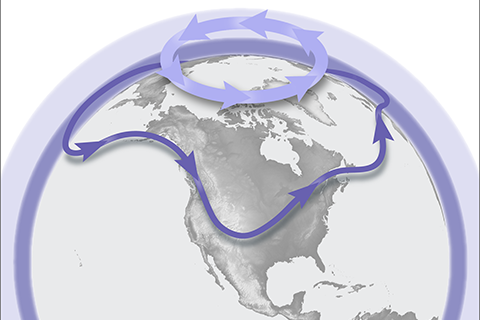
Kidding. Here's why the polar vortex may also cause you to take off your sweater sometimes.
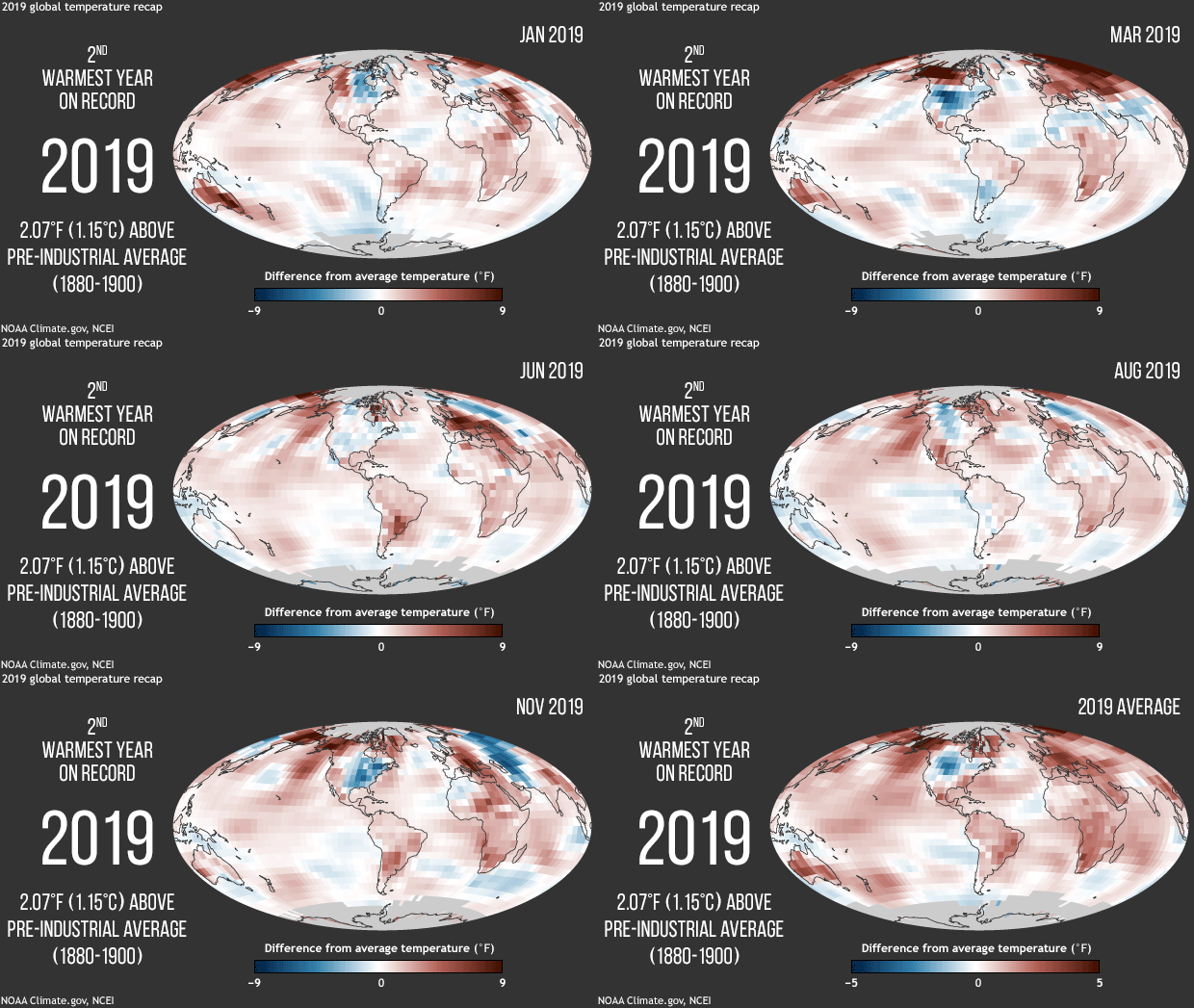
NOAA, NASA scientists confirm Earth’s long-term warming trend continues. The average surface temperature was more than 2 degrees (F) above pre-industrial conditions.
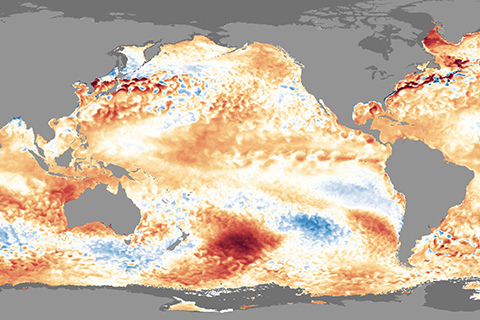
The tropical Pacific has been warmer than average for a few months now, but forecasters favor ENSO-neutral through the spring.
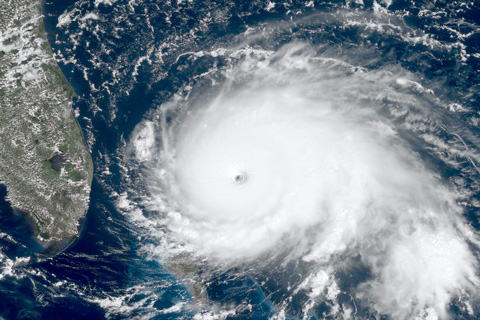
In 2019, the U.S. experienced 14 separate disasters costing at least a billion dollars each. Since 1980, 258 billion-dollar disasters have brought damages in excess of $1.75 trillion.
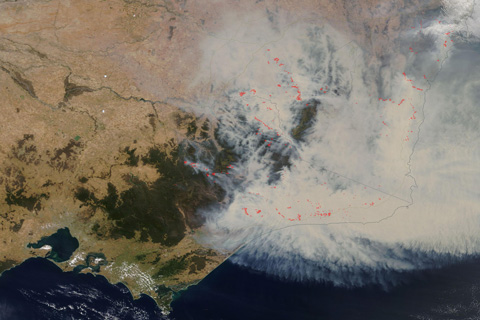
Terrible wildfires raged through parts of southeastern Australia in the first days of 2020.
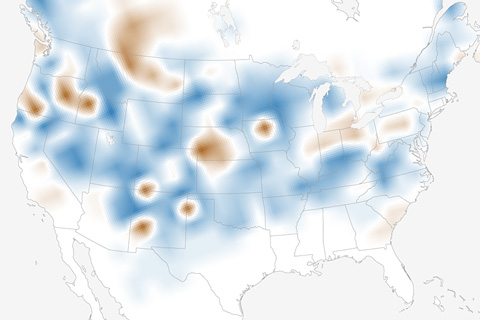
Just for fun, we asked the experts at the Rutgers Snow Lab to show us what their data (based on NOAA satellite images) had to say about whether the number of snow-covered days during the week of Christmas has changed at all across the U.S. in the past 50 years.
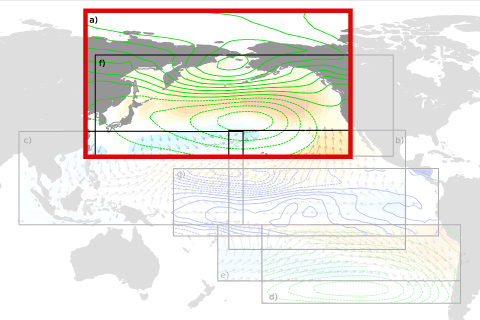
Some oceanic and atmospheric patterns can give us an early heads-up that El Niño might be on its way.
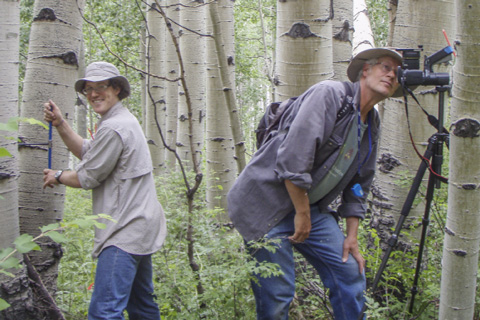
This Q&A features tree expert Leander Anderegg and what he is learning about how some of the West's iconic trees—including Colorado's quaking aspen and California's blue oak—survive or succumb to drought.