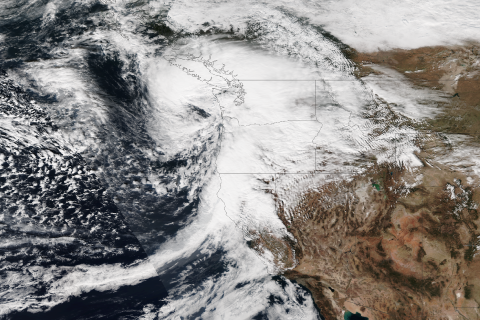
While not as bad as initially feared, a strong low pressure system brought gusty winds and rain to the Pacific Northwest in mid-October 2016.
While not as bad as initially feared, a strong low pressure system brought gusty winds and rain to the Pacific Northwest in mid-October 2016.
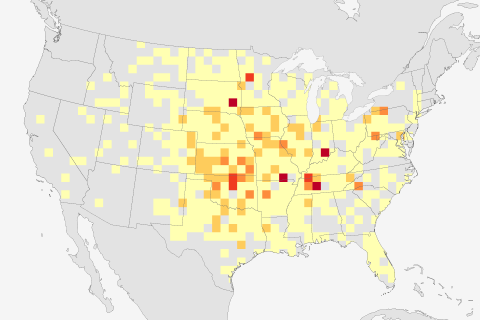
Using a combination of observations and models, NOAA-funded scientists have found a small but significant “advanced warning” signal for heightened summer tornado activity in the U.S.: warmer-than-average water temperatures in the Gulf of Mexico
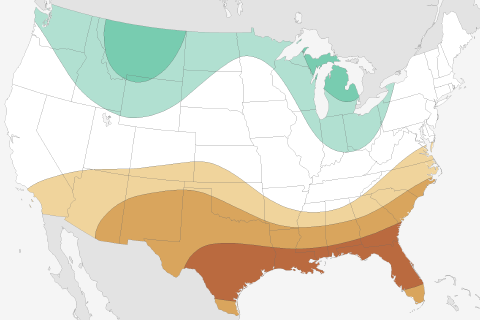
What are NOAA's predictions for this possible La Niña winter of 2016-17, and how did its predictions for last winter fare during the strong El Niño? Guest blogger Mike Halpert gives us the lowdown.
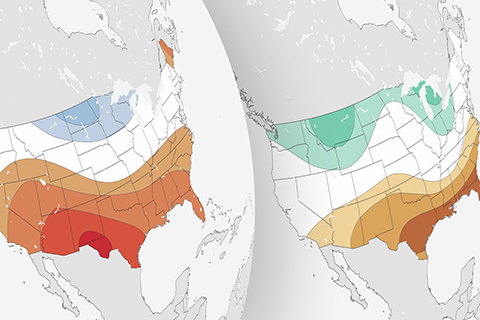
Last year's strong El Niño event defied expectations that it would bust California's long-running drought. Will this year's weak La Niña bring its typical warmth and dryness to the U.S. southern tier?
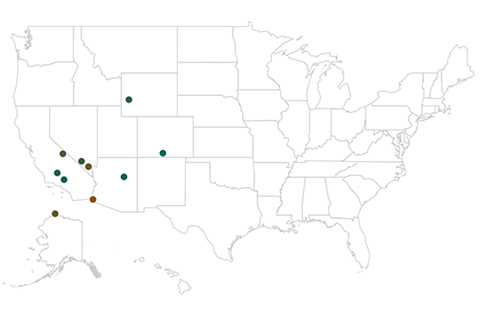
Unlike the United States' extreme temperature places, which are dominated by where you sit on a map, the extreme precipitation places tend to be dominated by what features are near you. We'll explore the driest and wettest places in the United States.
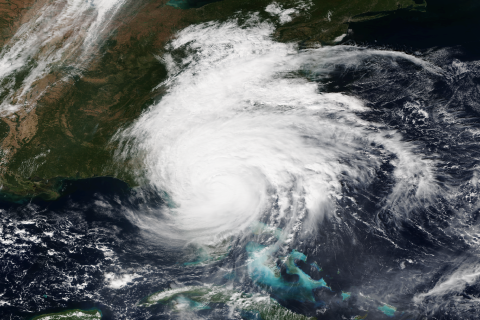
Hurricane Matthew tore a path through the Caribbean and southeastern United States leaving behind a trail of destruction.
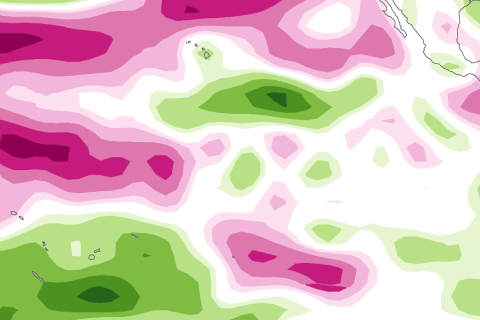
Odds are back on for the development of La Niña this fall. Our blogger discusses what happened during September to change the forecast.
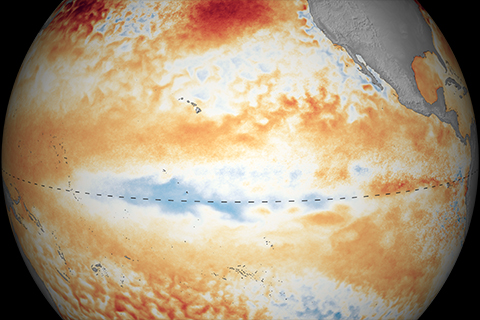
Cooler-than-normal sea surface temperatures in the central-eastern tropical Pacific ocean have continued and deepened during September as compared to August. Sea surface temperature is one…
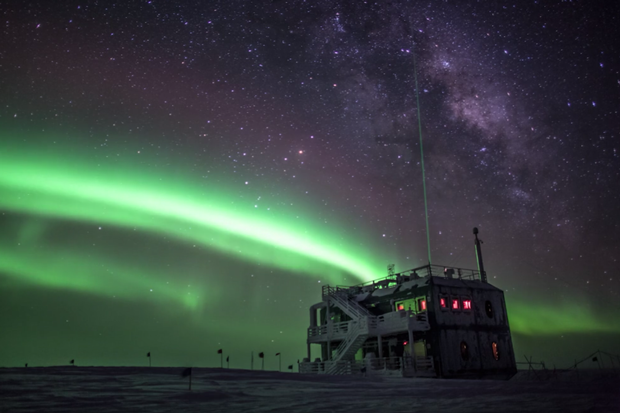
The ozone hole didn't cause global warming, but climate and the ozone hole are related in other ways.
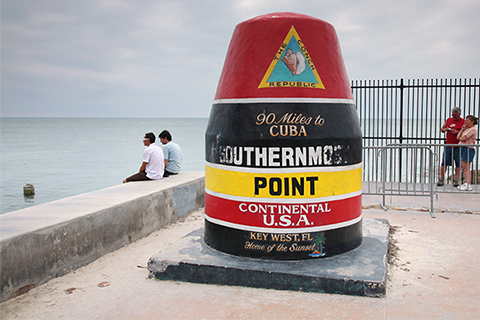
Sometimes, on a long journey, it’s good to revisit the basics. That’s the theme for this edition of Beyond the Data. We’re going old school, looking at some good old climatology adages and truisms, through the lens of a sturdy, reliable warhorse of a dataset.