
A study published as an early online version on Weather and Forecasting concluded that combining standard ocean observations (satellite, ship-based, buoys, drifters) with underwater glider data ...
A study published as an early online version on Weather and Forecasting concluded that combining standard ocean observations (satellite, ship-based, buoys, drifters) with underwater glider data ...
A study published as an early online version on Weather and Forecasting concluded that combining standard ocean observations (satellite, ship-based, buoys, drifters) with underwater glider data ...
A study published as an early online version on Weather and Forecasting concluded that combining standard ocean observations (satellite, ship-based, buoys, drifters) with underwater glider data ...
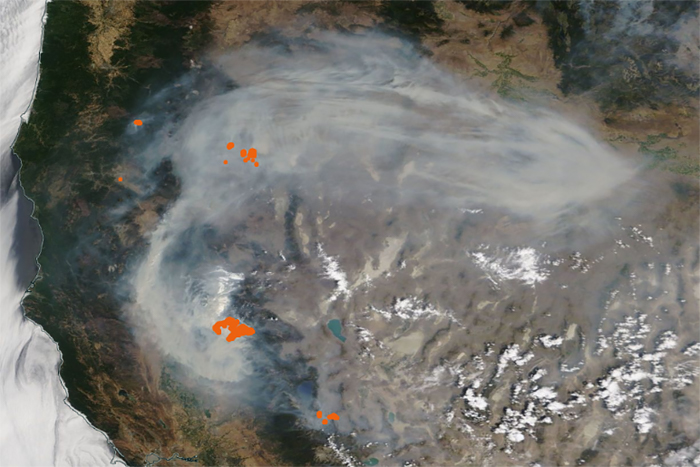
Besides implications for air quality and health, wildfires affect climate. A study designed to uncover the climate effects of wildfire smoke found that smoke from wildfires in the western United States absorbs less sunlight than smoke from wildfires in southern Africa.
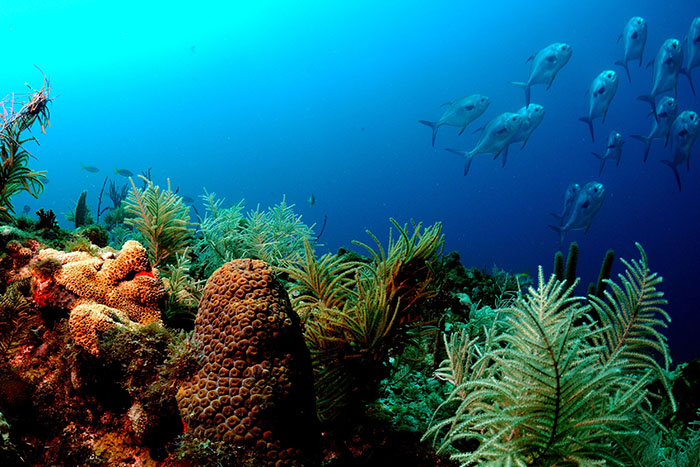
The tropical intraseasonal oscillation (ISO) affects variability over the tropical Indian and Pacific Oceans, and affects ENSO and monsoons, but models struggle to simulate the ISO. New research identifies reanalysis products best suited to studying the ISO.
The National Oceanic and Atmospheric Administration announces the release of a report comparing results for North America from two generations of climate model simulations. The report, titled ...
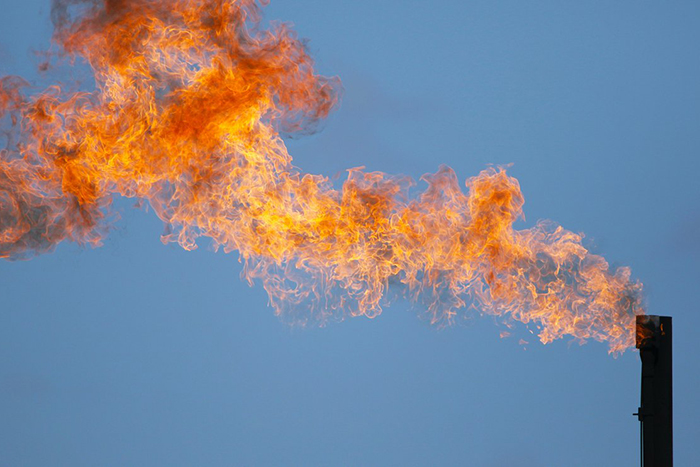
Methane emissions have shown unprecedented growth rates since 2020. These emissions can be thermogenic (from fossil fuel extraction and combustion) and biogenic (from plants and animals). A new study compares results from laser-based analyzers in identifying emission sources.
NOAA’s HYSPLIT (Hybrid Single-Particle Lagrangian Integrated Trajectory) atmospheric dispersion model now integrates features from a widely used greenhouse gas emissions model, thanks to a competitive grant project.
NOAA's National Centers for Environmental Information (NCEI), National Centers for Environmental Prediction (NCEP), and the Climate Program Office are jointly announcing the completion of the public…
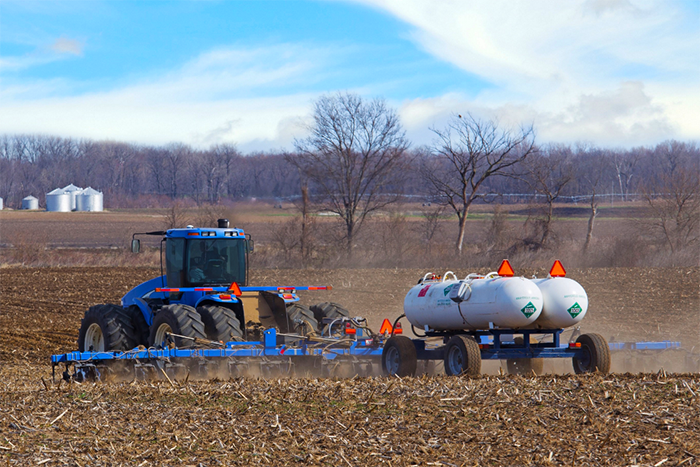
Scientists must understand how nitrogen cycles through air, soil, and plants. A new study finds that plants will uptake nitrogen at different rates depending on environmental conditions, plant species, and the type of nitrogen oxide compound.