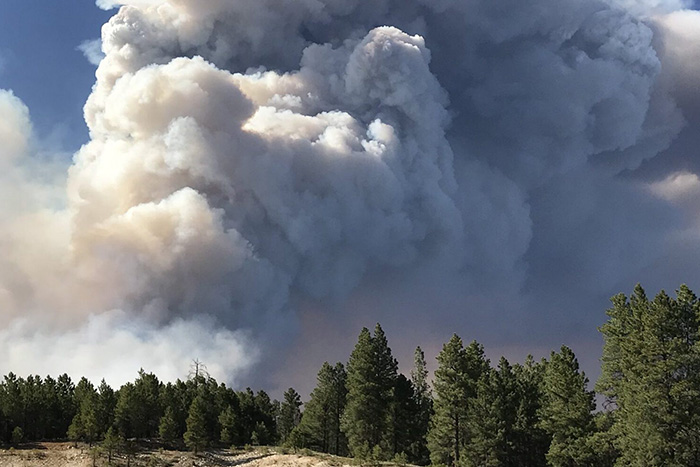
Comparing tree rings from 1700-1880 with modern data from 1985-2020 shows that wildfires burn less frequently now, but fires cause higher tree mortality rates.
Comparing tree rings from 1700-1880 with modern data from 1985-2020 shows that wildfires burn less frequently now, but fires cause higher tree mortality rates.
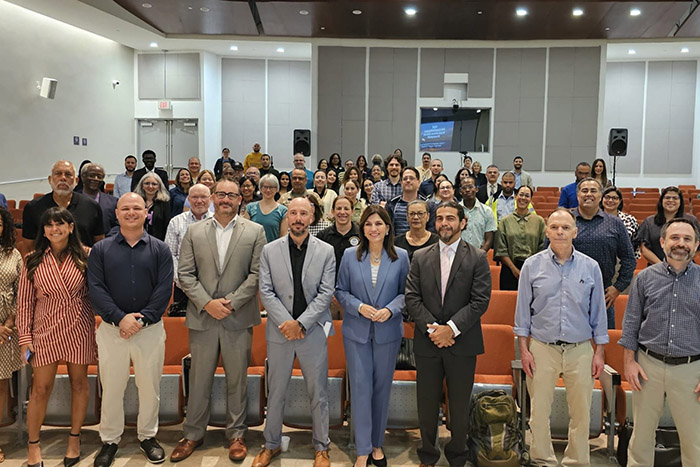
While local government and community members are more aware of the importance of managing heat risk in Puerto Rico and the U.S. Virgin Islands, few targeted initiatives currently address heat risk mitigation.
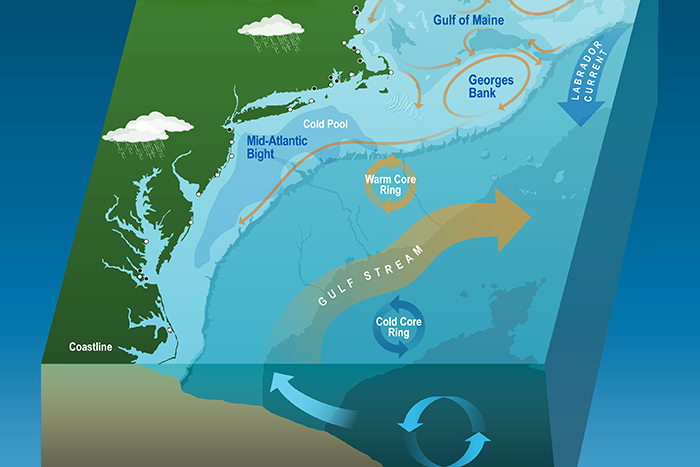
The Northeast U.S. continental shelf is home to some of the worlds’ most productive and commercially valuable fisheries, but the region is affected by changing climate. A new study may lead to better understanding of the region and its seasonal cycle.
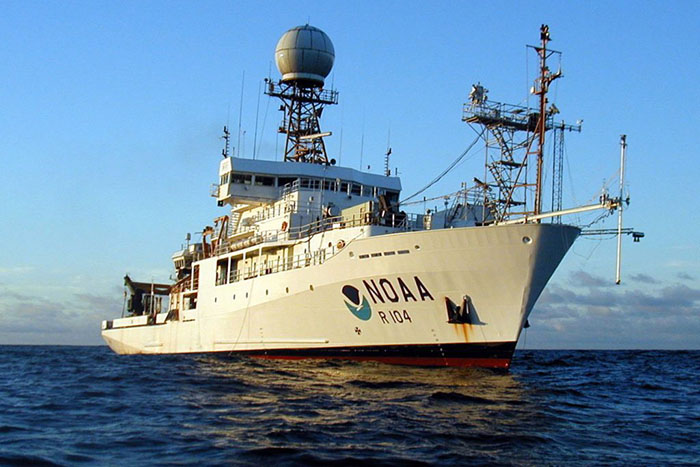
On March 6, a team of scientists on the NOAA Ship Ronald H. Brown departed from Suape, Brazil for a 55-day cruise to the northerly waters of Reykjavik, Iceland, with 150 planned stops along the cruise track.

The first results of The Last Millennium Climate Reanalysis, a research project partly funded by CPO’s Climate Monitoring Program , were recently accepted for publication in the Journal of ...
The study may have large implications for the climate and weather forecasts made by ocean models in the future.
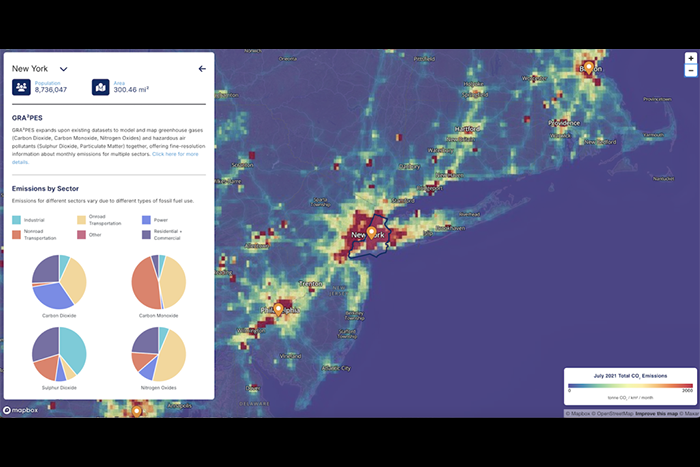
A new U.S.-based system to combine air quality and greenhouse gas pollution sources into a single national research database is now available in the U.S. Greenhouse Gas Center portal.
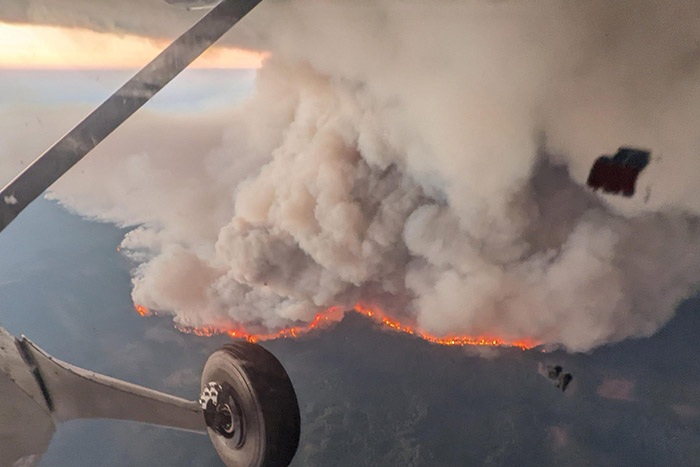
A new study shows it’s possible to collect measurements of fire and smoke chemistry, weather conditions, and smoke plume dynamics in real time around an active wildfire.
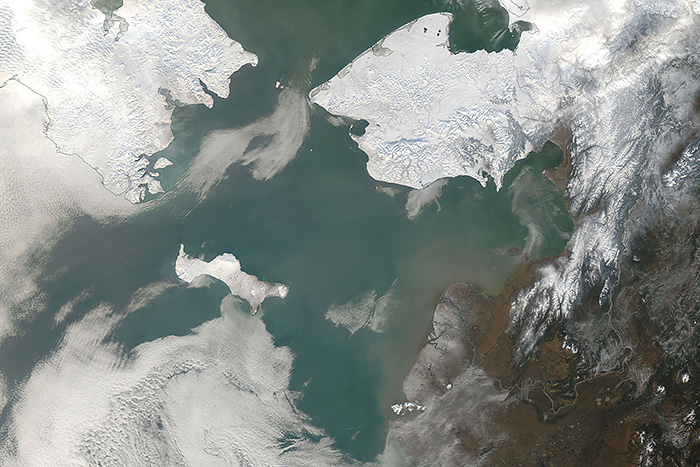
An annual survey is underway to provide fisheries and oceanographic data to support sustainable management of the fast-changing Bering Sea. These surveys help decision makers better understand the impacts of events such as sea ice loss.