
Key Findings A new atmospheric chemistry-climate model (AM4.1) has been developed as part of GFDL’s fourth-generation suite. AM4.1 includes an advanced dynamical core and physical…
Key Findings A new atmospheric chemistry-climate model (AM4.1) has been developed as part of GFDL’s fourth-generation suite. AM4.1 includes an advanced dynamical core and physical…
GFDL’s Modular Ocean Model, MOM6, represents a major advancement in modeling oceanic and climatic processes. MOM’s development began in the mid-1980s, aimed at providing a robust tool for simulating ocean circulation and its effects on global climate.
Key Findings GFDL has developed a unified “one code, one executable, one workflow” global prediction modeling system, called SHiELD. SHiELD’s multiple configurations show…
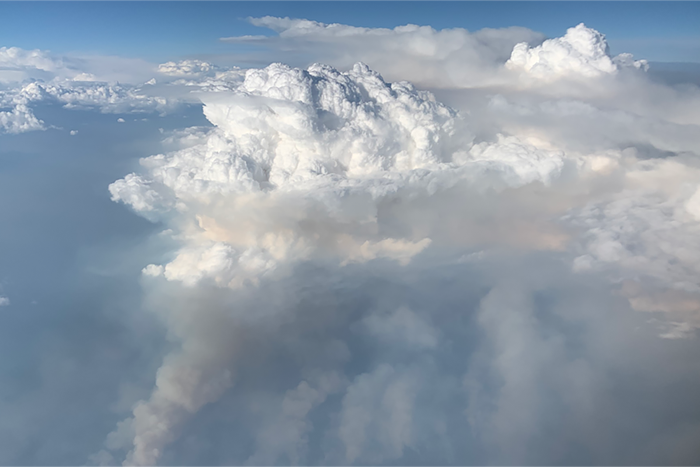
New research on the massive Australian bushfires in 2019 and 2020 shows that almost 1 million metric tons of smoke rose into the stratosphere, causing it to warm by about 1 degree Celsius for six months, and likely contributed to the large and persistent ozone hole that formed over Antarctica during the Southern Hemisphere’s spring.
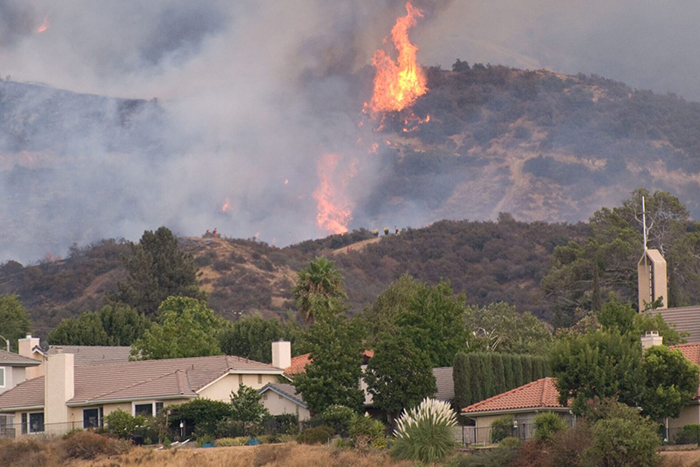
Although wildland-urban interface fires make up a small fraction of total fire emissions, they are responsible for a much larger share of smoke-related premature deaths.
Global carbon dioxide emissions in 2022 remain at record levels and natural carbon sinks are being impacted by climate change, according to a new report. Experts from NOAA and elsewhere project that atmospheric carbon dioxide concentrations will reach an average of 417.2 parts per million in 2022.
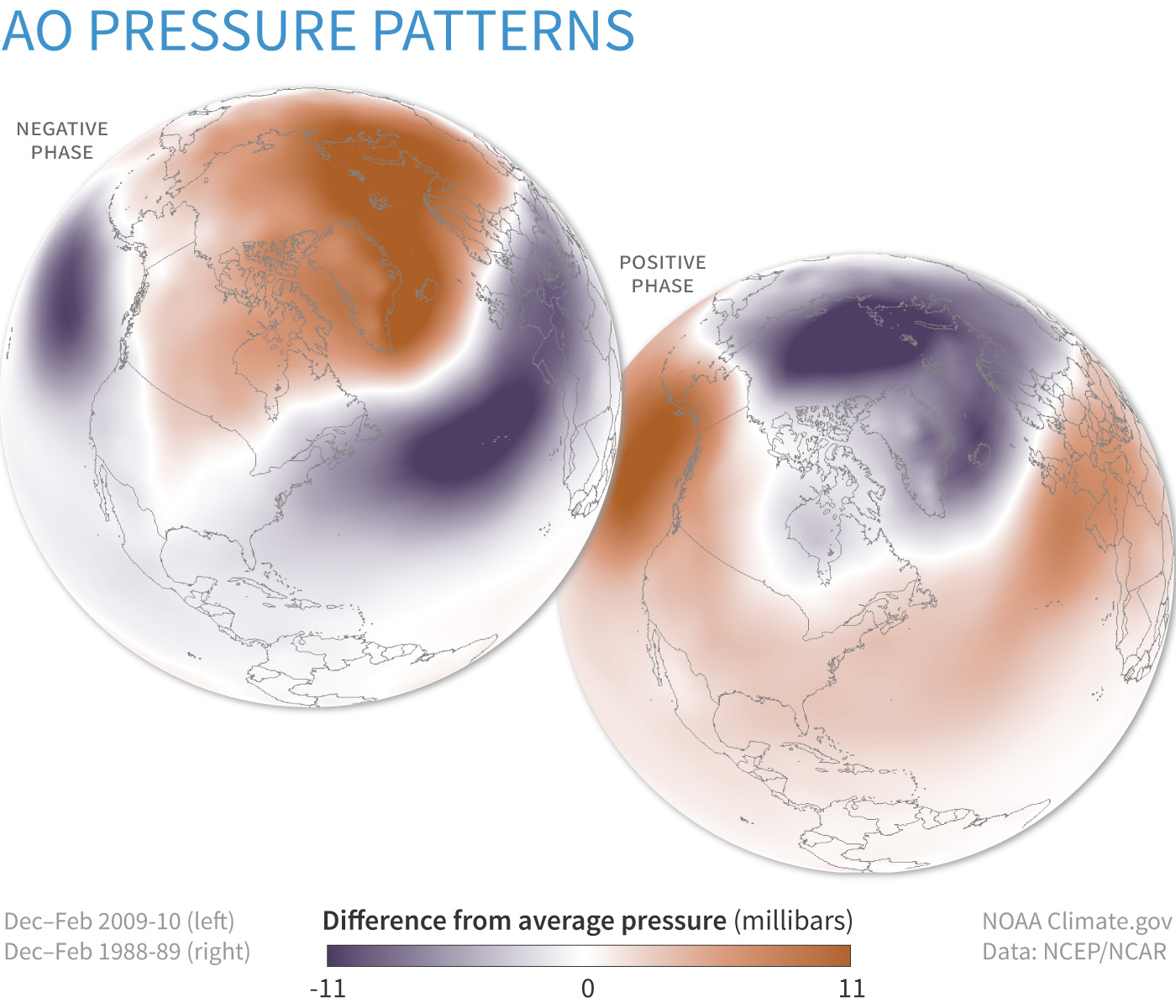
This index tracks back-and-forth shifts in air pressure between the Arctic and the mid-latitudes of the Pacific and Atlantic Oceans.
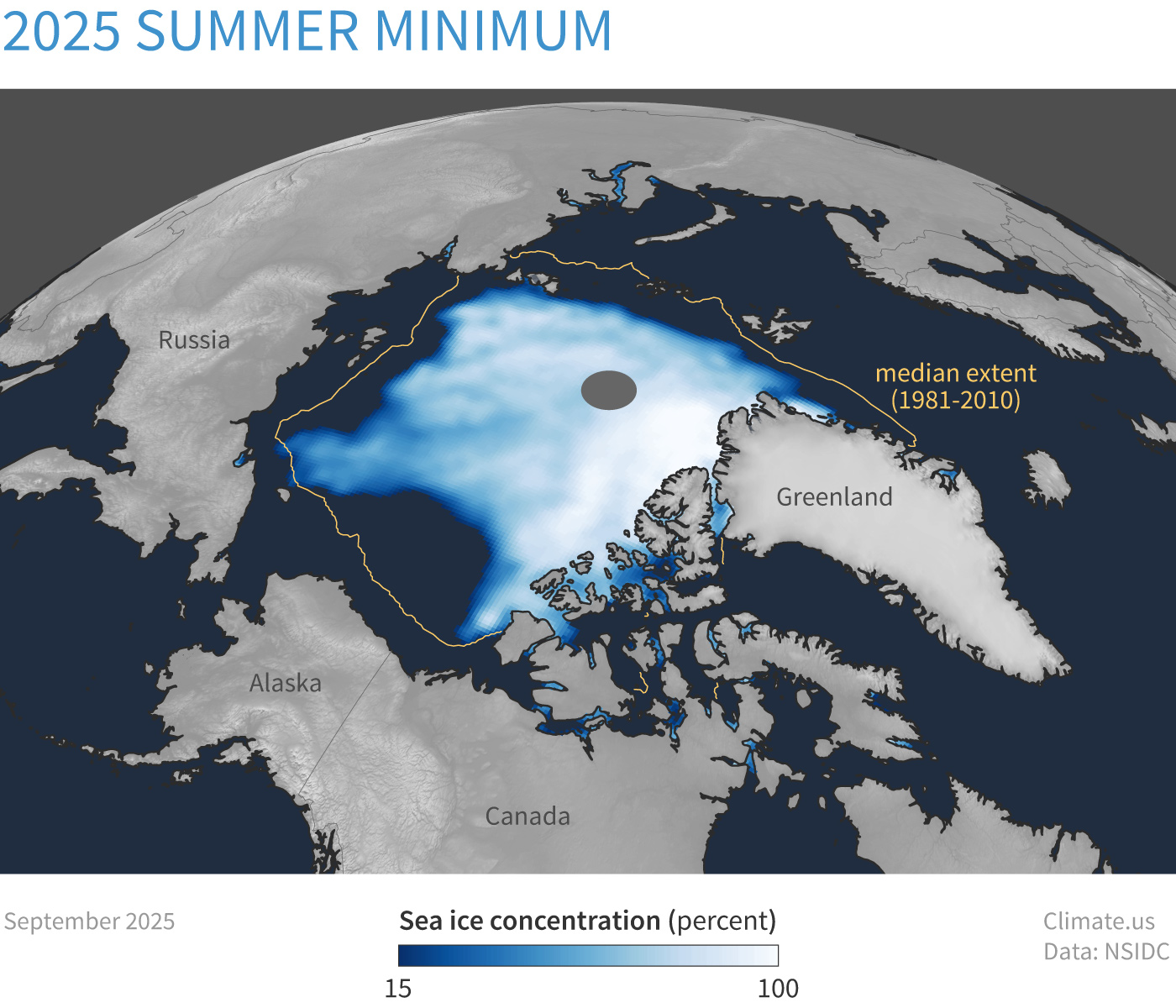
Since 1979, the extent of ice covering the Arctic Ocean at the end of summer has shrunk nearly 45 percent.
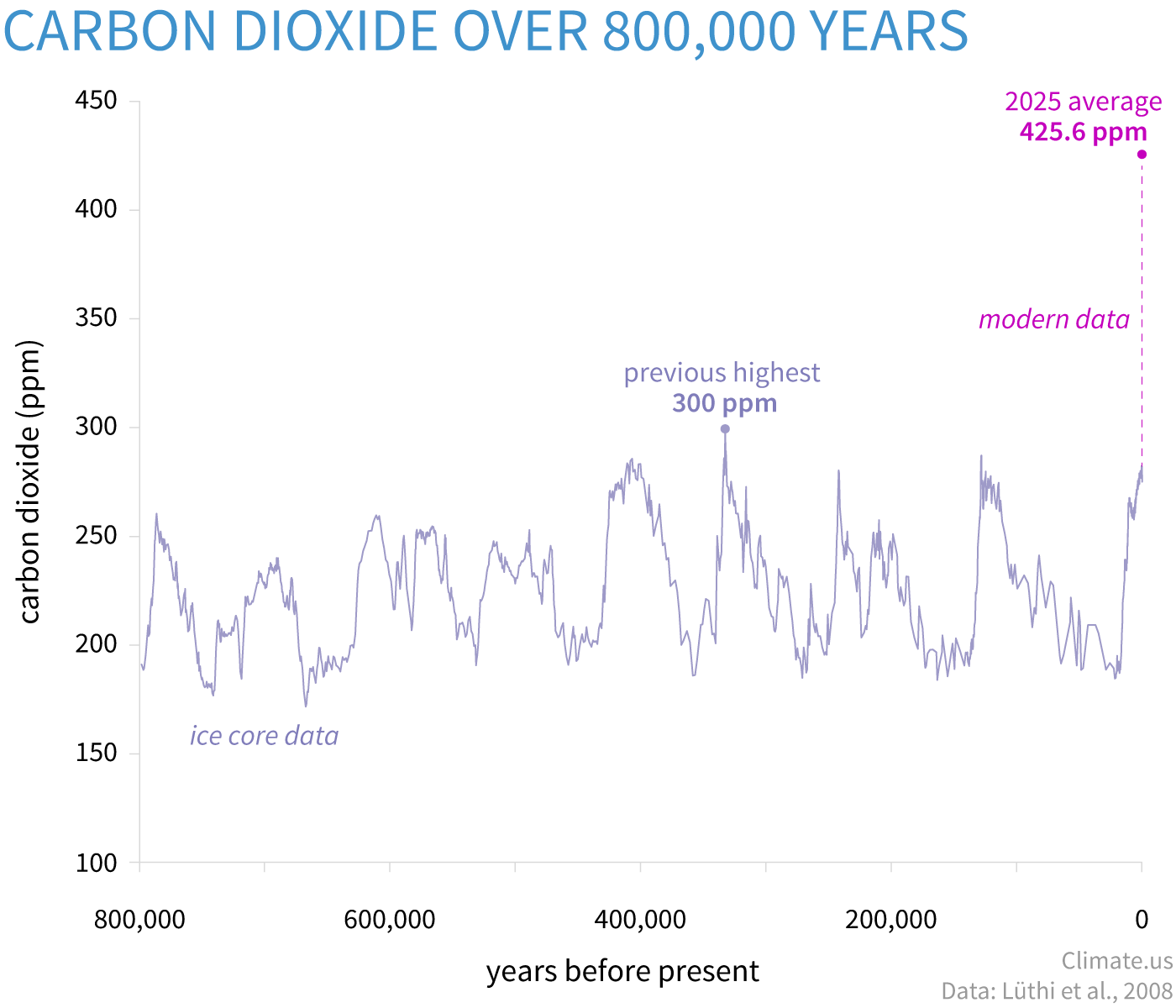
Atmospheric carbon dioxide has risen more than 50 percent since people began burning fossil fuels for energy.