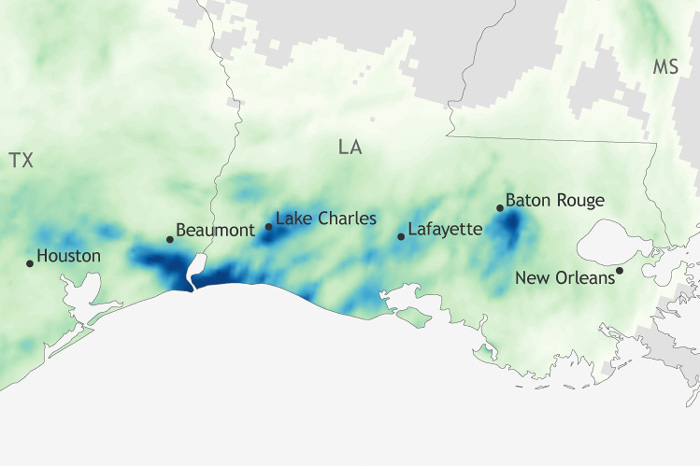
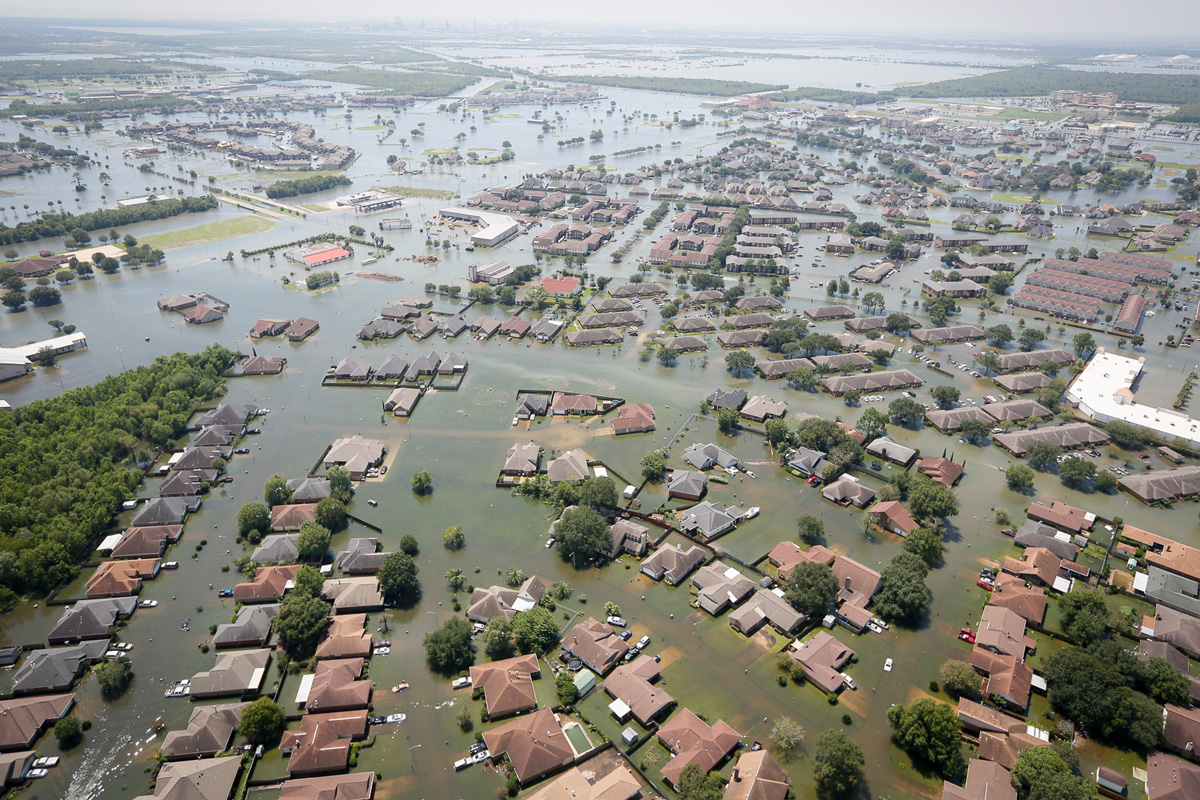
Deadly flash floods ravaged parts of southern Louisiana after torrential rains fell across a water-logged region still recovering from the impacts of two hurricanes during 2020 Atlantic Hurricane season.
Deadly flash floods ravaged parts of southern Louisiana after torrential rains fell across a water-logged region still recovering from the impacts of two hurricanes during 2020 Atlantic Hurricane season.
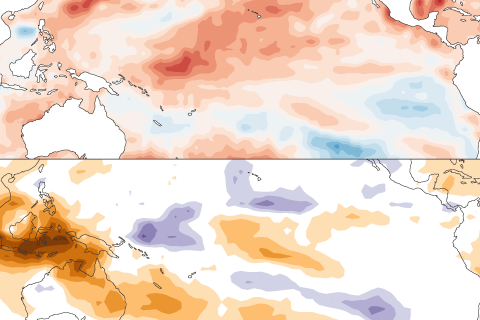
A climate expert proposes an alternative for defining what's average when it comes to predicting El Niño and La Niña.
The May 2021 outlook favors warmth for the southern half of the country and a wet East-dry West split.
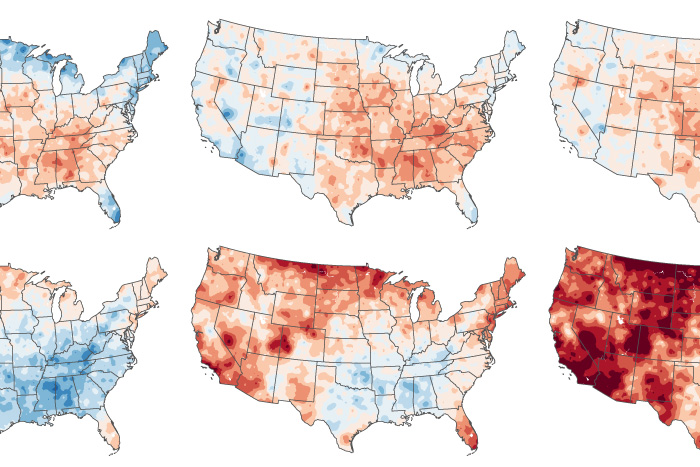
Every ten years, NOAA releases an analysis of U.S. weather of the past three decades, calculating average values for temperature, rainfall, and other climate conditions that have come to represent the new “normals” of our changing climate.
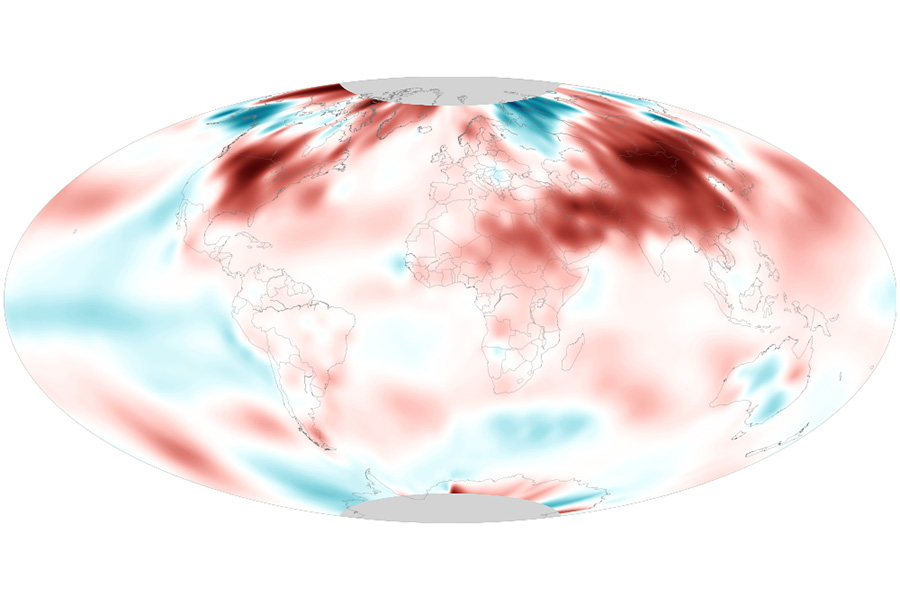
Although this was the smallest warm departure for any March since 2014, it was still the eighth-warmest March for the planet in the 142-year record.
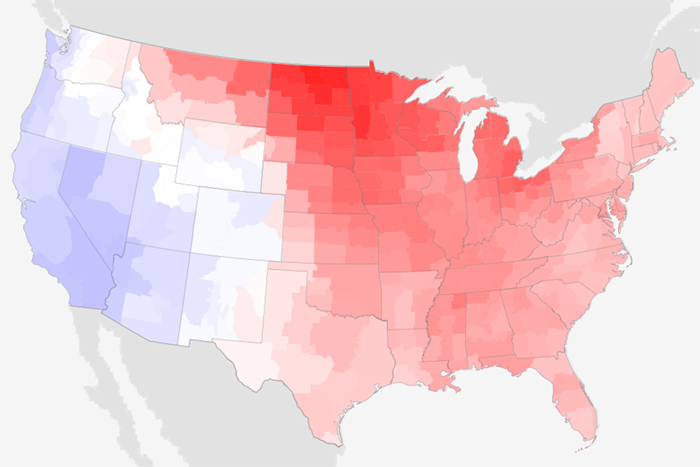
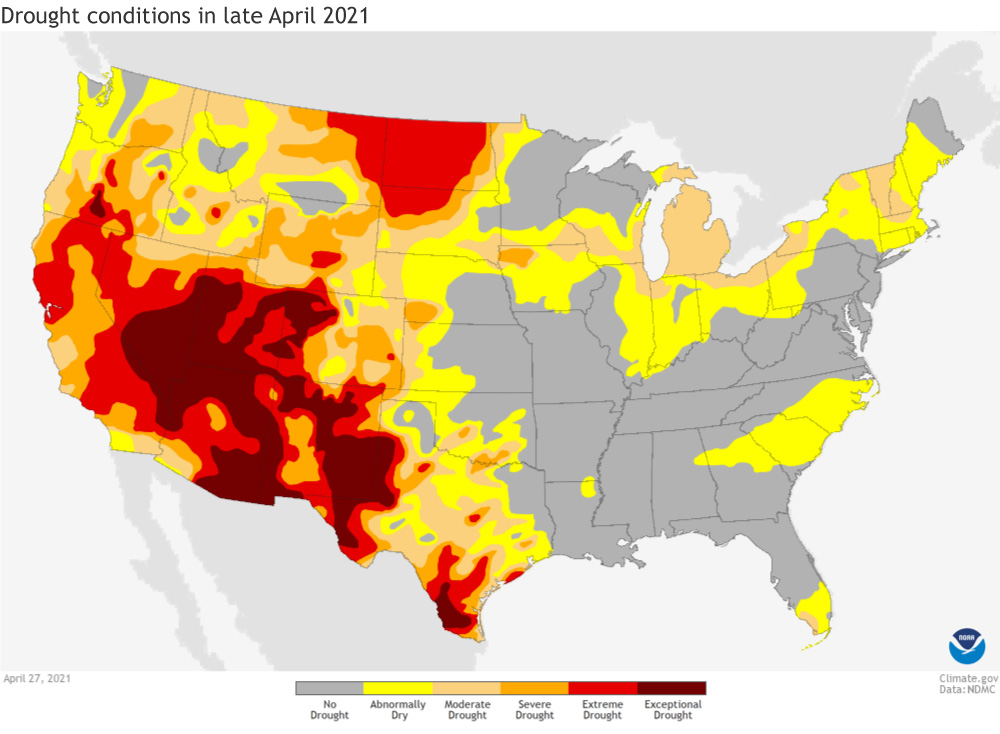
A wetter-than-average March moderated drought in parts of the Central Plains, but severe to exceptional drought remained widespread in the West.
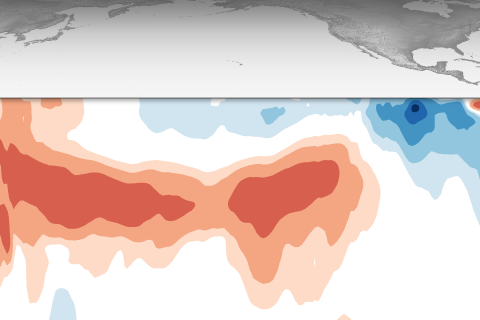
La Niña conditions are still present in the tropical Pacific, but they're weakening. Our blogger gives you the rundown on all things La Niña.
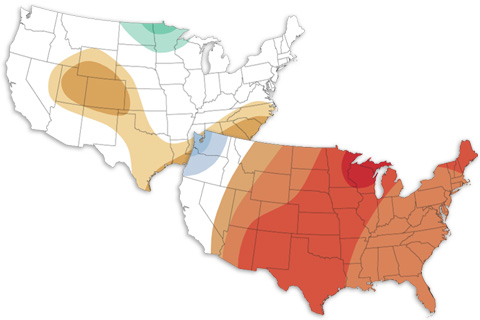
The April 2021 climate outlook tilts warmer than average for most of the country and drier than average across the southern tier of the United States.
A panel of hurricane experts reviewed more than 90 research studies on the observed and projected changes in tropical cyclones for an updated summary of what the science says about the human influence on these devastating storms.
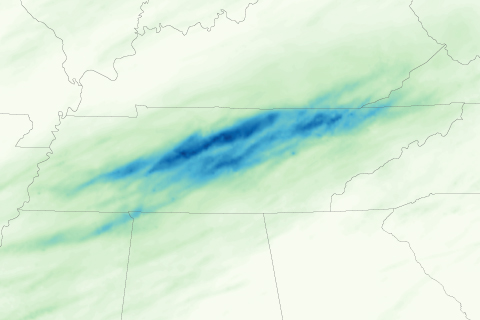
During late March 2021, a powerful storm system brought drenching rains and widespread flash flooding across Tennessee. It was the wettest March day in Nashville's history.