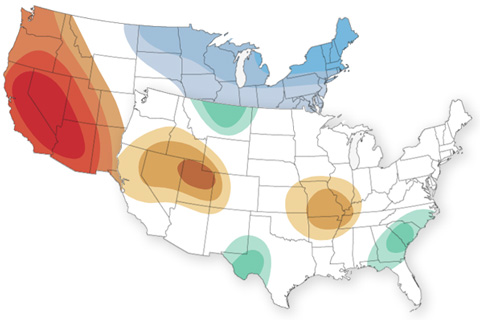
NOAA National Weather Service's Climate Prediction Center released their temperature and precipitation outlook for November. What does it say? Read on to find out.
NOAA National Weather Service's Climate Prediction Center released their temperature and precipitation outlook for November. What does it say? Read on to find out.

Weather balloons launched at the South Pole each spring routinely find areas of the Antarctic stratosphere where ozone has been completely destroyed. In 2019, they found no such areas.
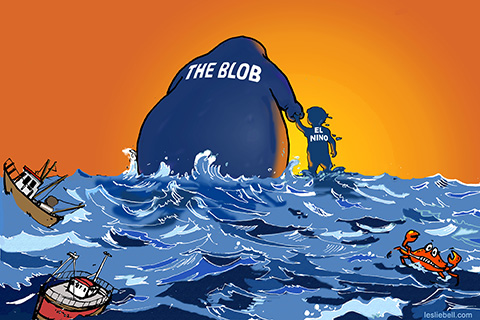
A blog post on the Blob. Blob, Blob, Blob. But here's why you shouldn't call it the Blob.
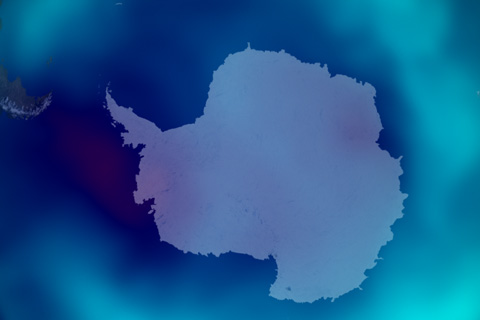
The seasonal Antarctic ozone hole was the smallest on record in 2019, thanks to a warmer-than-average September.
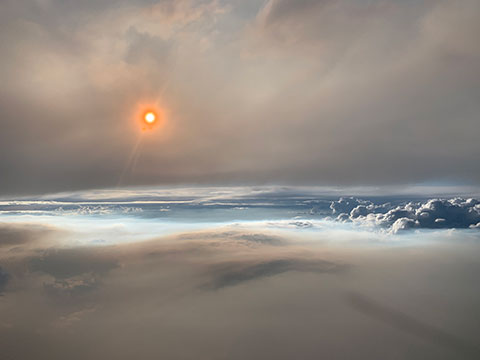
If you missed our August 29 tweet chat, here's the transcript. Read what the fire and smoke experts had to say about the FIREX-AQ field campaign and its mission to study what's in the smoke from wildfires and agricultural burning.
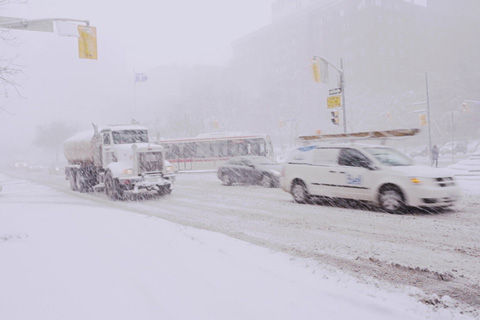
Warmer-than-average temperatures are forecast for much of the U.S. this winter according to NOAA's Climate Prediction Center. The northern states have the highest chances for much wetter than average conditions.
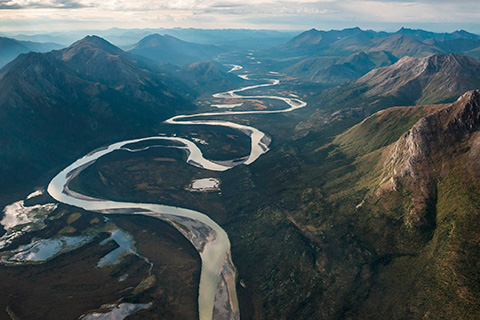
Alaska's natural monuments are of such gargantuan scale that the environment can seem immutable. But a new report from NOAA's Alaska RISA team documents profound changes the state has experienced in just the past five years.

ENSO-neutral conditions are likely to remain through the fall. What’s going on in the tropical Pacific? While we’re at it, what’s going on with the Atlantic hurricane season?
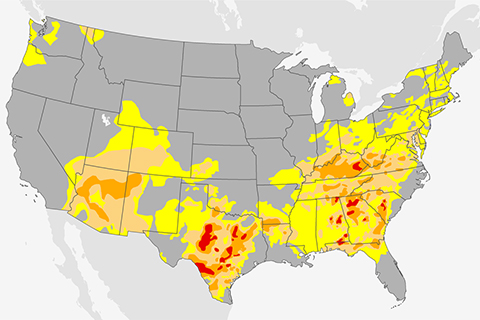
Much of the southeastern United States went from little drought to widespread severe drought in a matter of a few weeks thanks to little rain and hot and sunny days.
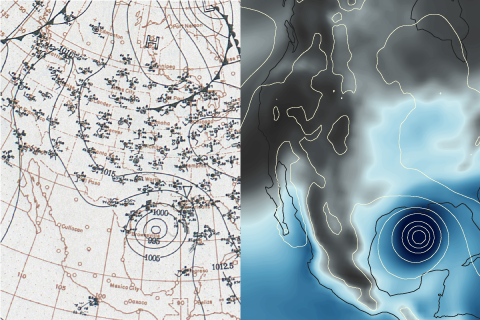
Generated by feeding historic weather observations into a modern computer forecast model, a new NOAA-funded dataset is like a time machine that reconstructs a detailed picture of the global weather every day back to 1836.