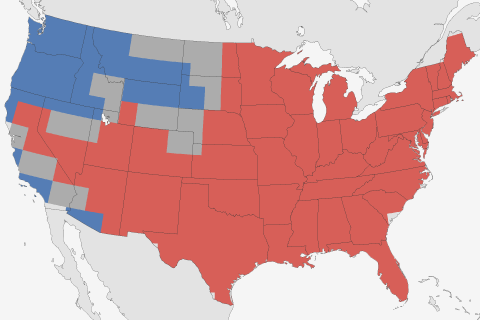
Now that the 2016-2017 winter is over with, it's time to look back and see what happened. Did our winter outlook do well?
Now that the 2016-2017 winter is over with, it's time to look back and see what happened. Did our winter outlook do well?
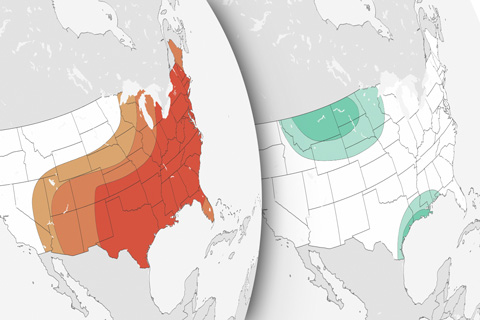
Near-record warmth across the U.S. this past winter raised the odds for a warmer than average spring. Even so, several places received plenty of snow, which raised the risk of flooding in the Northern Rockies, the Northern Plains, and New England.
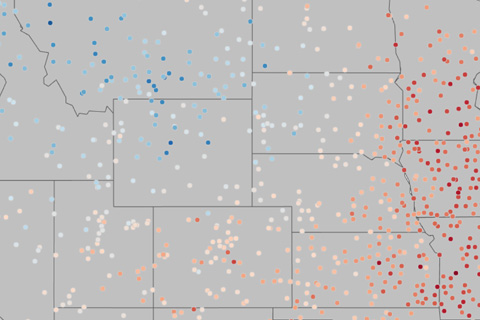
A new analysis allows non-experts to view 2016 and year-to-date climate data for thousands of U.S. locations.
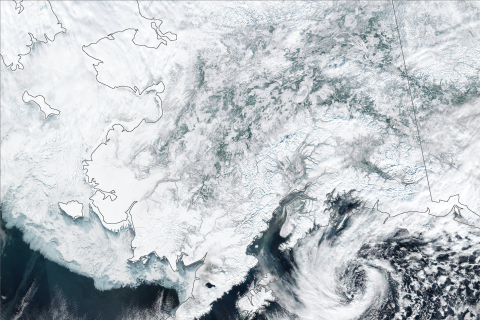
This year's Iditarod sled dog race is underway, but it was forced to start hundreds of miles farther north than usual due to poor snow conditions.
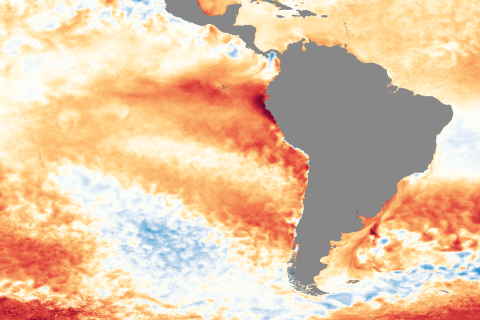
Warm ocean temperatures off the coast of Peru helped to create flooding rains across the country in late winter 2017.
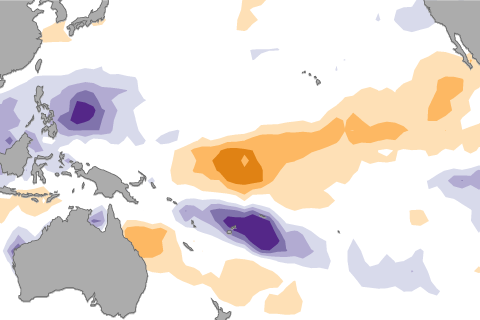
The tropical Pacific has shifted into neutral. Our blogger reviews the evidence under consideration by forecasters this month.
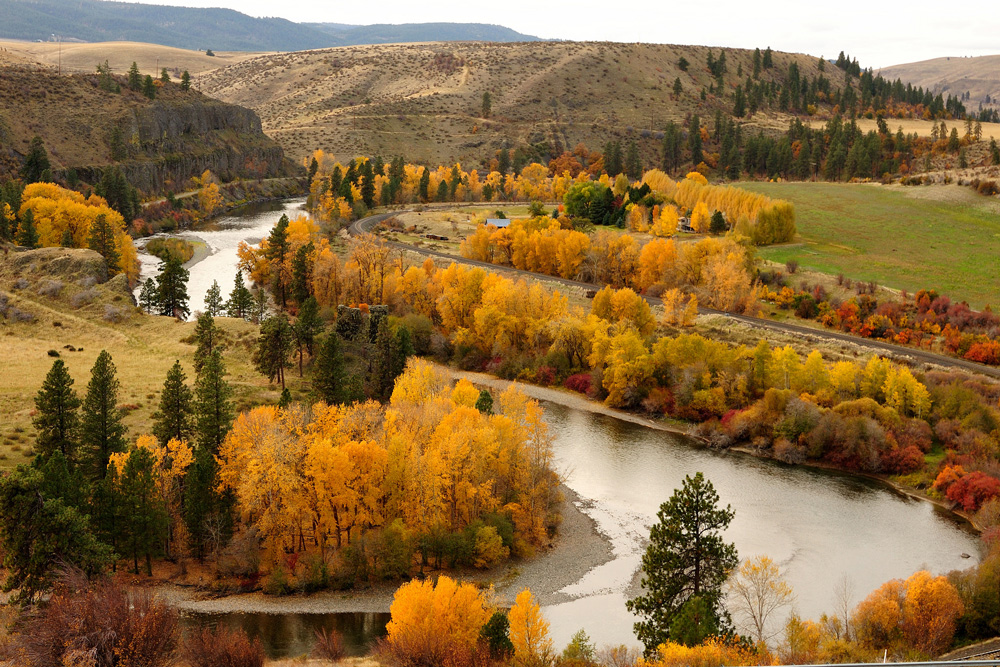
After facing 5 years of drought in 15 years, partners in Washington's Yakima River Basin developed a new water plan that aims to make farms, fish, and families in the region more resilient to climate variability and change.
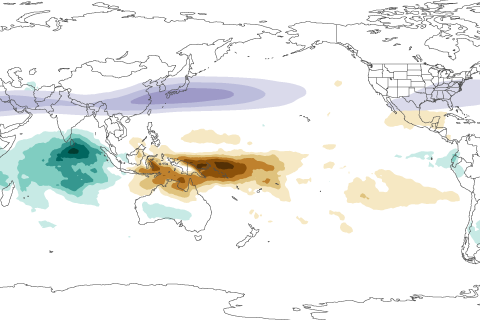
In this installment of our Beyond the Data blog, Carl Schreck talks about how a tropical climate pattern called the MJO left its fingerprints all over California's soaking rains and Boston's recent snowstorm.
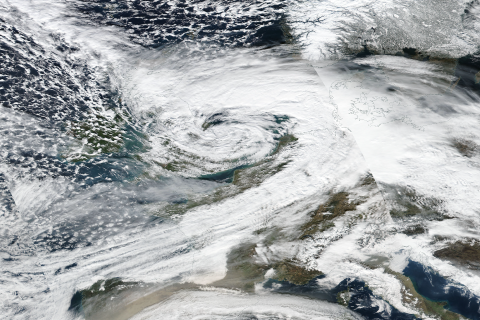
A strong storm system named Doris brought hurricane-force wind gusts to parts of England.
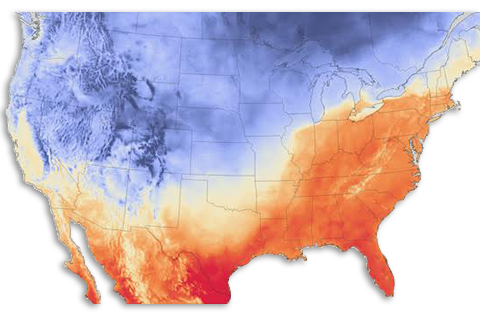
Extremely mild temperatures broke records across the central and eastern United States at the end of February.