
July 2016 was the warmest month of the modern record. Yet, despite that, and maybe a little because of it, some interesting and very different things happened in and near Siberia, just a thousand miles from each other.
July 2016 was the warmest month of the modern record. Yet, despite that, and maybe a little because of it, some interesting and very different things happened in and near Siberia, just a thousand miles from each other.

A slow-moving storm system caused more than two feet of rain in southern Louisiana in mid-August and led to widespread catastrophic flooding.
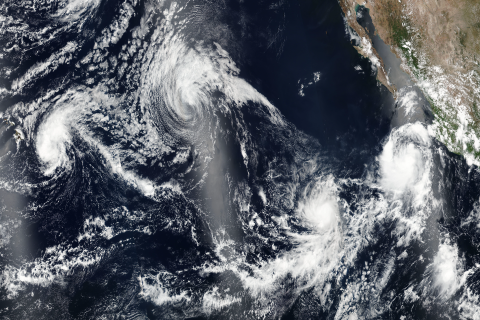
After a slow start to the 2016 hurricane season, storms in the eastern North Pacific Ocean were plentiful during July and the beginning of August.
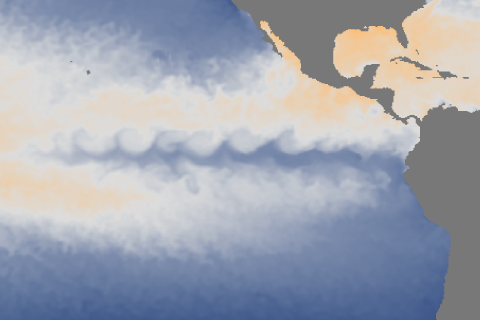
Even when the tropical Pacific is coasting along in neutral, there’s plenty to talk about.
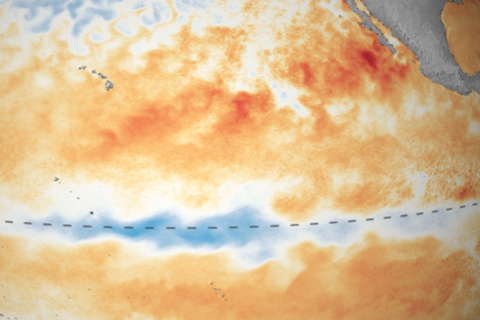
Climate experts are keeping their eyes on the tropical Pacific, watching a strip of cool water that may be one indicator that La Niña is brewing.
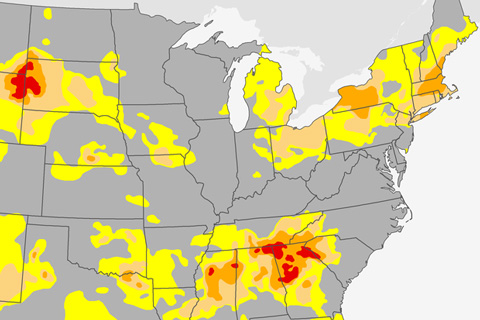
A checkerboard of drought conditions has developed across the United States east of the Rockies between spring and summer 2016. Since March, the total drought-affected area of the country has nearly doubled.
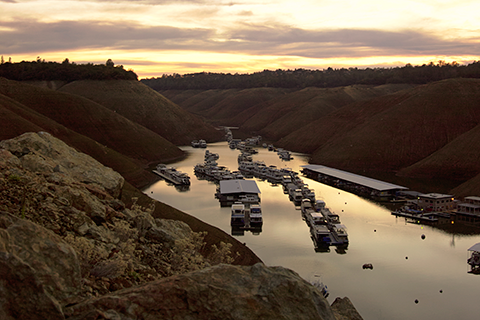
California’s supply of groundwater is heavily affected by drought, which is in turn affected by ENSO. Our guest blogger discusses some of these complex relationships.
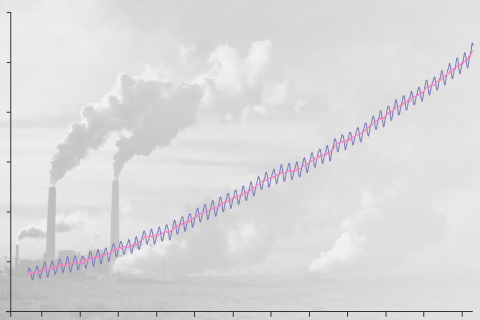
Using measurements taken worldwide, scientists estimated that 2015’s global average carbon dioxide concentration was 399.4 parts per million (ppm), a new record high. At Mauna Loa Observatory in Hawai’i, where atmospheric carbon dioxide has been recorded longer than anywhere else in the world, the annual average carbon dioxide concentration was 400.8—also a new record, and a new milestone.
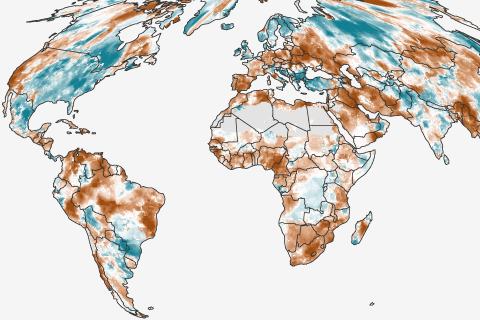
2015 was a tough year for vegetation, both natural and agricultural, with a near-record area of global land surfaces in some state of drought.
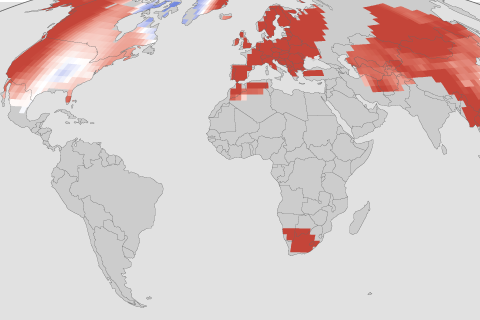
Globally, 2015 set a new record for the most extremely warm days in the 66-year record (1.8 times more than the average). The number of extremely warm days and nights was the highest ever recorded in western North America, parts of central Europe, and central Asia.