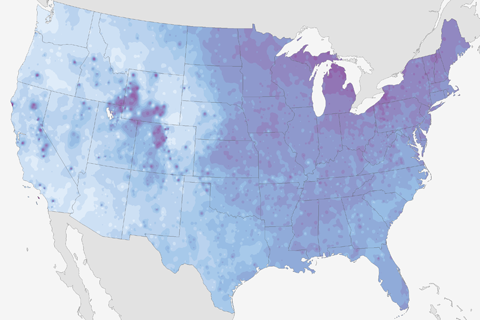
For some states, the coldest day of the year usually occurs near the start of winter, while for others it comes near the end. This map reveals when history says your state will have its coldest day of the year.
For some states, the coldest day of the year usually occurs near the start of winter, while for others it comes near the end. This map reveals when history says your state will have its coldest day of the year.
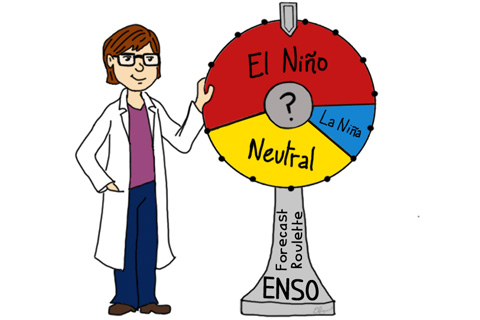
How to interpret climate outlooks and make $$$$ millions.* **OK, maybe an overstatement, but you'll at least understand probabilistic forecasts better.
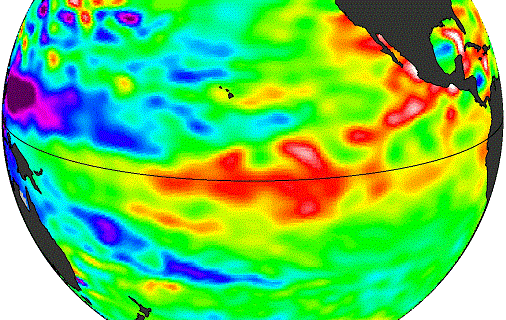
What's behind the drop in probabilities this month? And why might forecasting this event be particularly tricky?
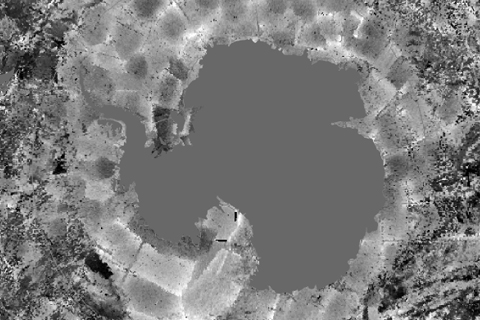
Recovered satellite images of Antarctica showed a larger sea ice extent than ever measured before—but the record was short lived. The record was broken in September 2014, only weeks after the discovery.
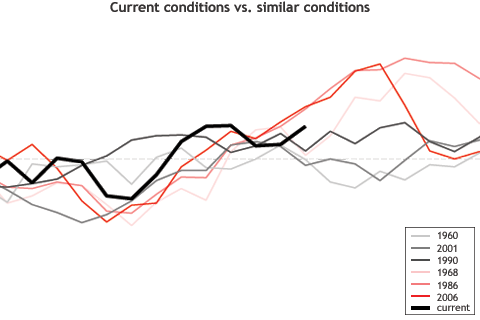
Although ENSO forecasting using past case analogs is fun, even slight dissimilarities between the past cases and the present case are certain to mess up the forecast.
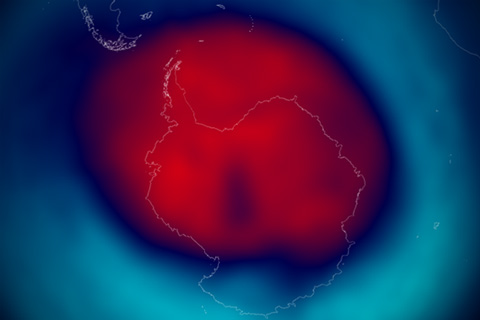
The Antarctic ozone hole did not cause global warming. But there is a connection between climate and the annual thin spot that forms each spring in Earth’s UV-blocking ozone layer: colder winter temperatures tend to lead to larger ozone holes.
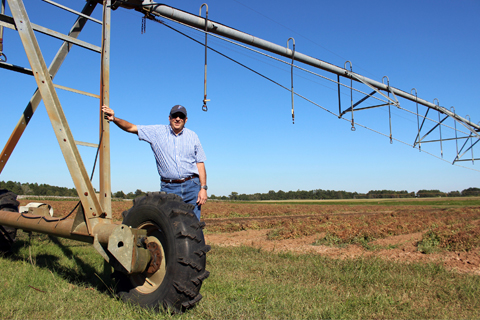
In the Southeast, a conventional crop rotation is two years of cotton followed by two years of peanuts. In this extended interview, Ron Bartel explains why farmers should consider a grass rotation, as well.
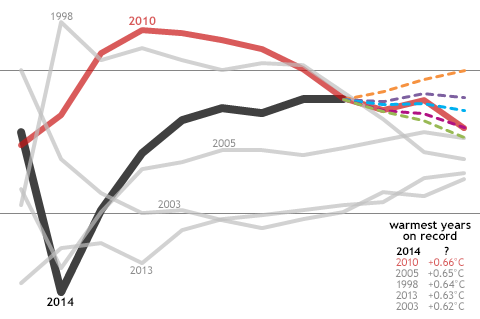
We're nine laps into the race to set a new global annual temperature record. NOAA climate scientist Deke Arndt talks about how this year's race might end--and why yearly rankings tell us less about the big picture of climate change than we might think.
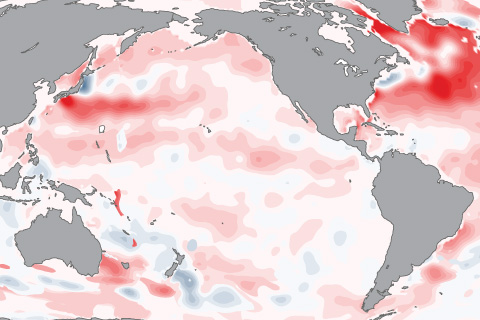
How can warming at Earth’s surface have slowed when energy accumulation is growing? The role of our oceans—including ENSO—is key.
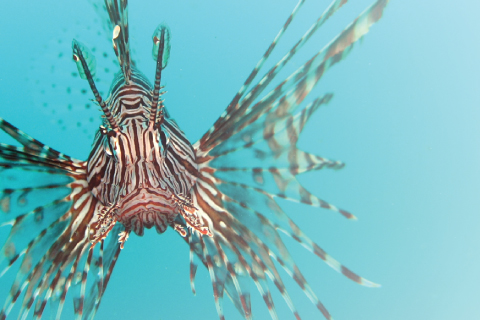
Warming ocean temperatures in the Atlantic may allow for the expansion of tropical fish species into areas formerly too cold for them to thrive. Observations from the past decade off North Carolina link warm years with denser populations of the destructive lionfish.