Along coasts, people are waking up to the need for adaptation to climate change. This article points the way to information for getting started.
Along coasts, people are waking up to the need for adaptation to climate change. This article points the way to information for getting started.
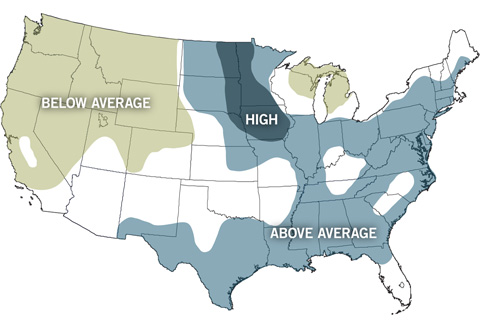
Across the contiguous United States, more than a third of the land has an above-average risk of flooding this spring, according to an announcement issued on March 15 by NOAA’s National Weather Service.
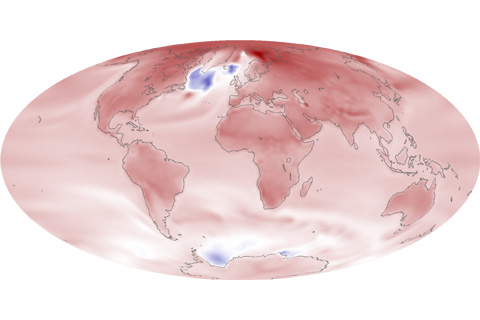
Global climate models project that near the end of the 21st century, average surface temperature over most of Earth’s surface will be several degrees warmer than today, mainly due to rising levels of greenhouse gases in the atmosphere.
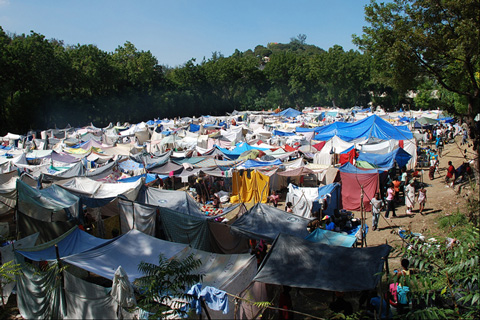
Almost two months after a devastating earthquake rocked Haiti, nearly half a million people there are displaced from their homes, and a million more are living without proper shelter. What climate-related risks will they face in the coming months?
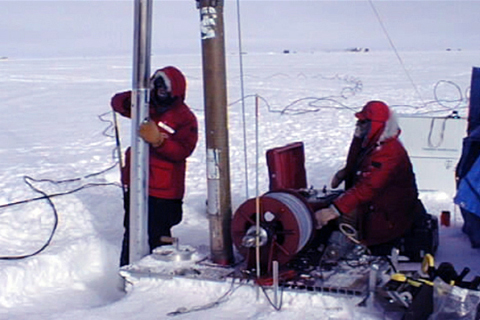
Despite efforts to reduce emissions of a HFC-23, a potent greenhouse gas, research shows that concentrations of the compound have increased in recent years.
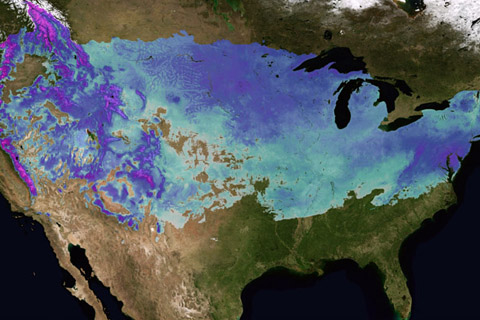
In early February, two weather systems brought record snowfalls to Washington, D.C., and other parts of the U.S. mid-Atlantic region. At the same time, organizers of the 2010 Winter Olympics in British Columbia, Canada, were dealing with a deficit of snow.

NOAA researchers have built a "time machine" for weather that provides detailed snapshots of the global atmosphere from 1891 to 2008. The system's ability to "hindcast" past weather events is emerging as a powerful new tool for detecting and quantifying climate change.
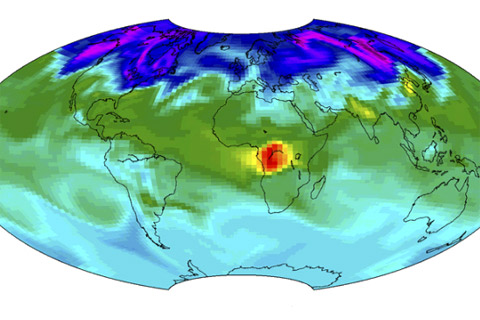
From the African savanna to North America’s boreal forests, NOAA’s CarbonTracker tool provides insight into what natural and human processes affect the uptake, release, and transport of carbon dioxide in Earth’s lower atmosphere.
Seasonal climate forecasts helped the International Federation of Red Cross/Red Crescent save lives and minimize damages during a severe flooding event in West Africa in 2008.
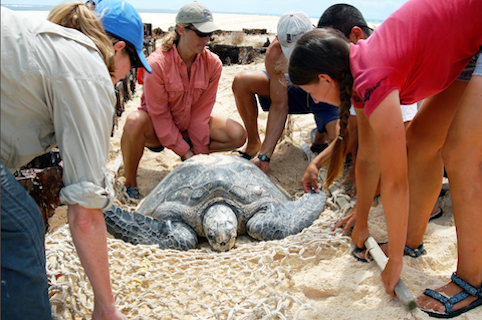
Many of the Northwestern Hawaiian islands where sea turtles nest have low, flat coastal plains. They are already vulnerable to storm surges, and they could be totally inundated as sea level rises.