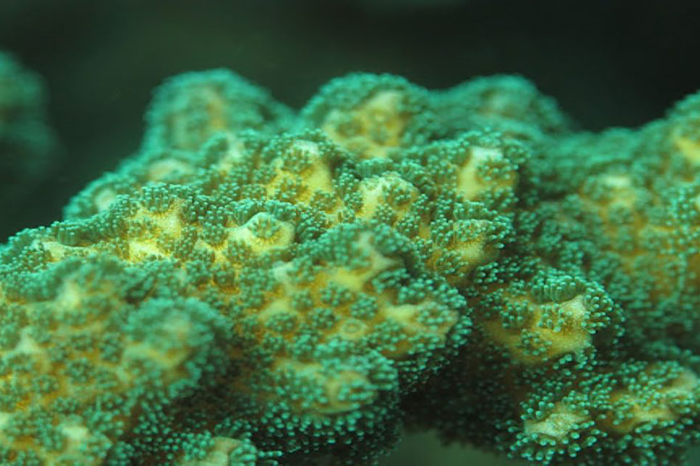
A heat-tolerant algae found in some tropical Pacific corals can make reefs more resilient to heatwave events, according to an exciting new discovery reported in the Proceedings of the National Academy of Sciences.
A heat-tolerant algae found in some tropical Pacific corals can make reefs more resilient to heatwave events, according to an exciting new discovery reported in the Proceedings of the National Academy of Sciences.
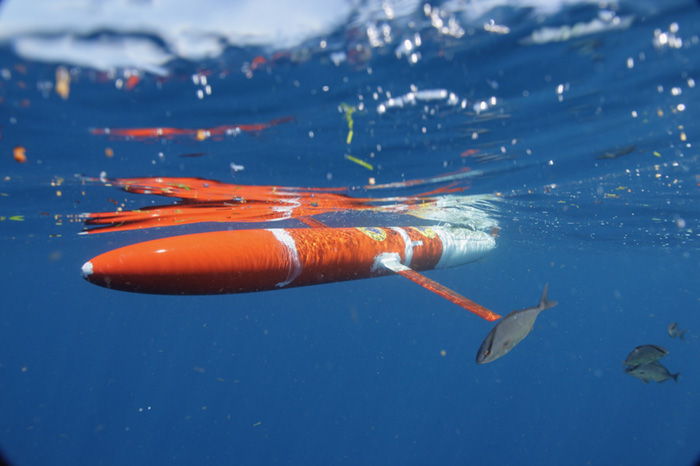
So you think you know what’s in the ocean? Even with decades of scientific research, more than 80 percent of the ocean remains unmapped, unobserved, and unexplored. That’s a lot considering more than 70 percent of the globe is covered by the ocean. NOAA is using Argo floats, gliders, drifters, and moored buoys to better understand the ocean depth
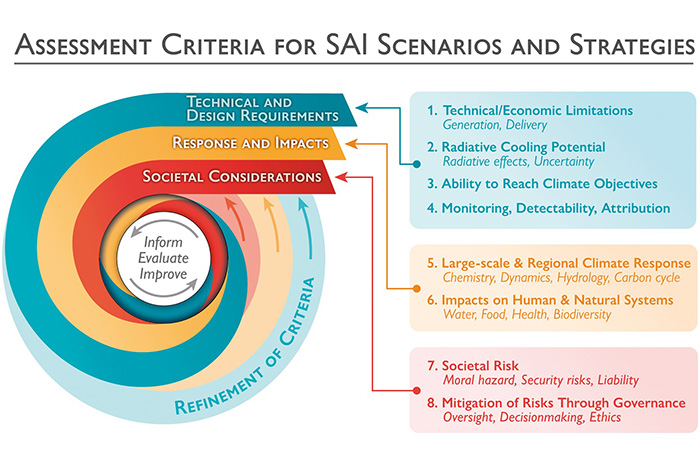
Some scientists are exploring Stratospheric Aerosol Injection (SAI) as warming-mitigation technique. A new article calls for a comprehensive international assessment of SAI’s potential impacts, risks and benefits.

Research funded by CPO’s Modeling, Analysis, Prediction, and Projections (MAPP) program was published in the latest issue of the Journal of Climate . The paper "A Framework for Dynamical Seasonal ...
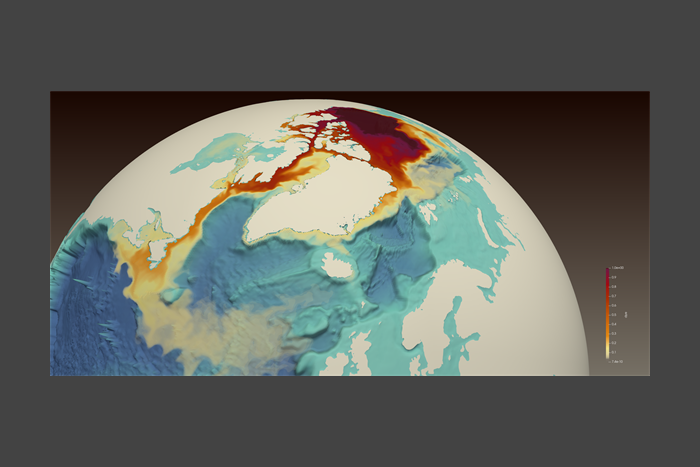
The Beaufort Sea, the largest Arctic Ocean freshwater reservoir, has increased its freshwater content by 40 percent over the past two decades. How and where this water will flow into the Atlantic Ocean matters in local and global ocean conditions, including the Atlantic Meridional Overturning Circulation.
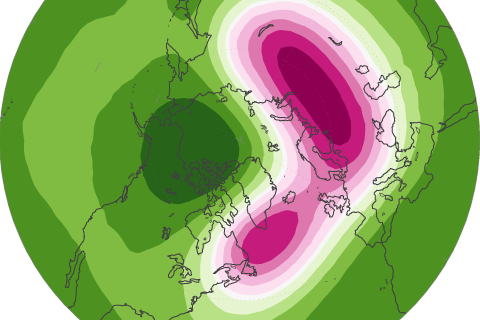
There’s a saying among climate scientists: What happens in the Arctic doesn’t necessarily stay in the Arctic. That’s especially true when a sudden warming of the polar stratosphere -- the ...
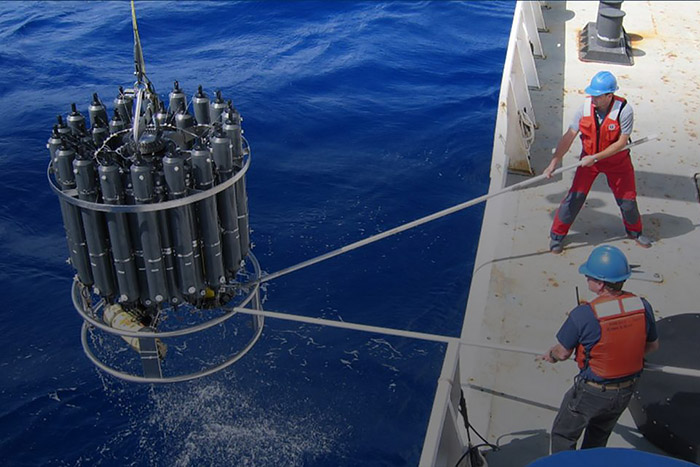
Scientists are gearing up for a busy season at sea with three research cruises departing in the month of February. Cruises will collect samples from the surface to the depths of the ocean and improve our understanding of ocean circulation, carbon uptake, biological conditions, and climate variability
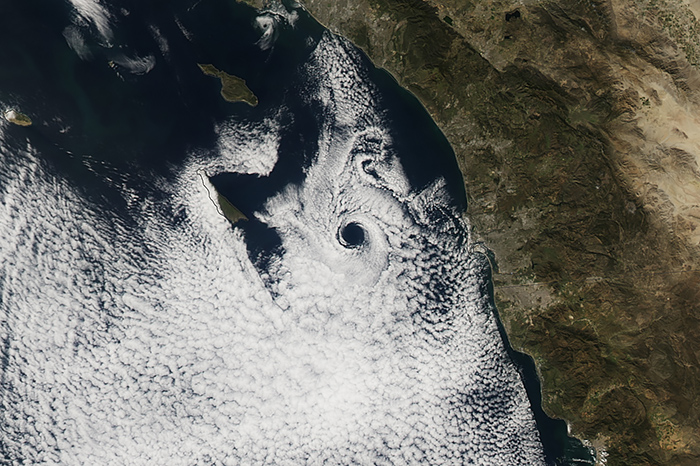
The California Current System is a southward-moving, cold-water current that causes seasonal upwelling and eddies. A new modeling study finds that eddies are projected to become more variable and intense toward the end of the century compared to a 1980-2010 baseline.
NOAA's Climate Program Office (CPO) supports competitive research through five major Programs: Climate Observations and Monitoring (COM); Atmospheric Chemistry, Carbon Cycle, and Climate (AC4); ...
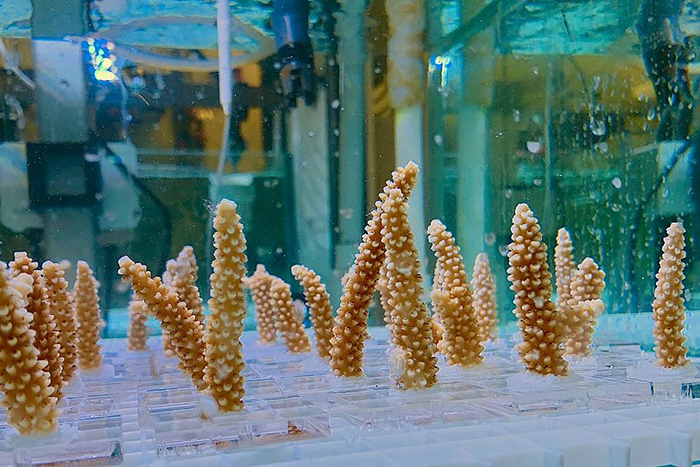
A recent study has identified genetic variants in staghorn coral, Acropora cervicornis, that can tolerate elevated temperatures and nutrient pollution, two environmental stressors that put this critically endangered species at risk.