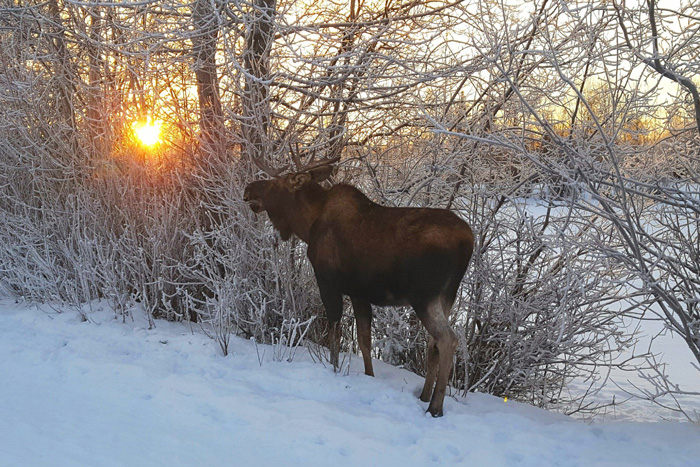
Alaska is more than 4,000 miles from the equator. Does the influence of El Niño and La Niña reach that far?
Alaska is more than 4,000 miles from the equator. Does the influence of El Niño and La Niña reach that far?
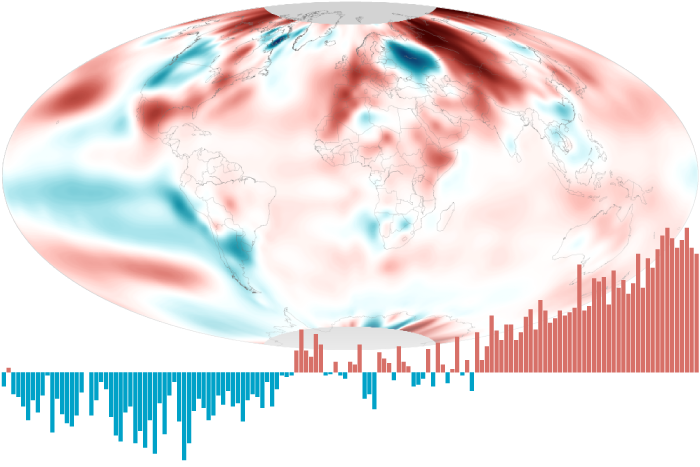
May 2022 was the ninth-warmest May in the 143-year NOAA record. Despite La Niña, there's a greater than 99 percent chance that 2022 will rank among the 10 warmest years on record.
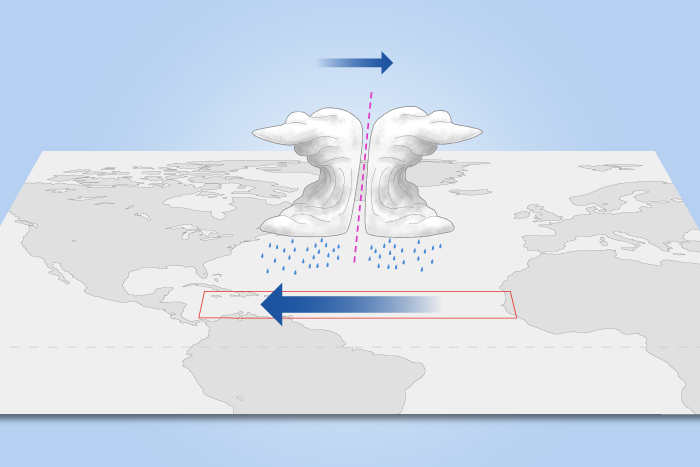
The chances that La Niña will last through summer are only slightly higher than the chances of a short dip into neutral before returning to La Niña by early winter. How will it affect the hurricane season?
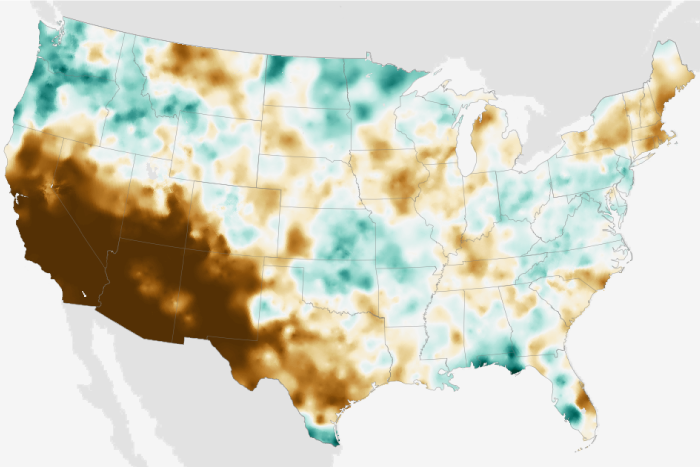
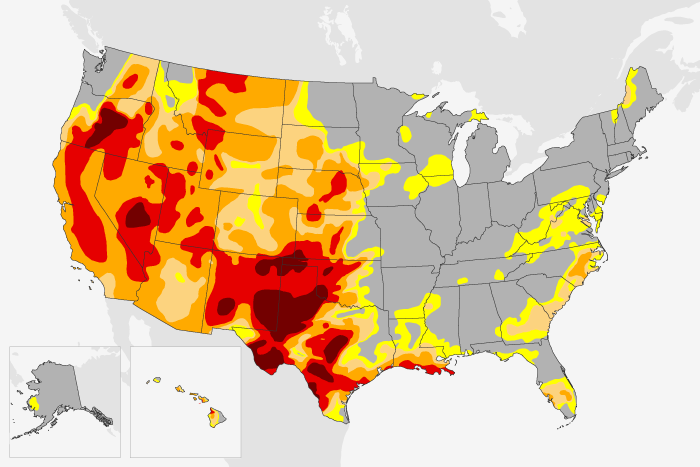
Summer-like heat felt across much of the South during May. Drought conditions improve for some, yet remain across much of the West.
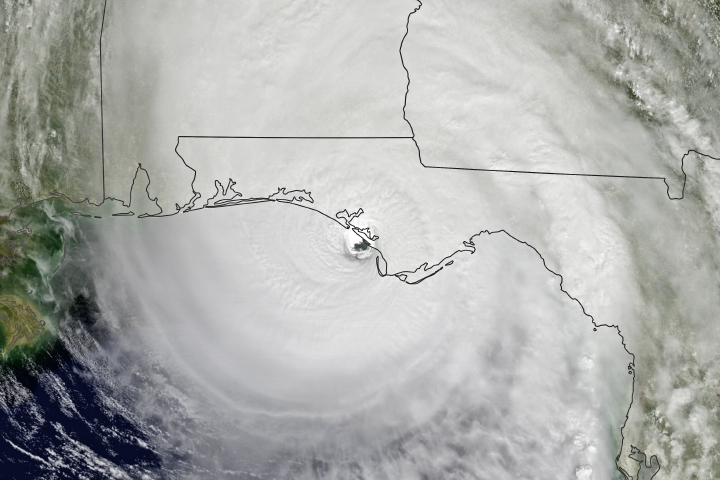
Most models project that further warming will decrease the total number of Atlantic hurricanes, but increase the number of very strong storms.
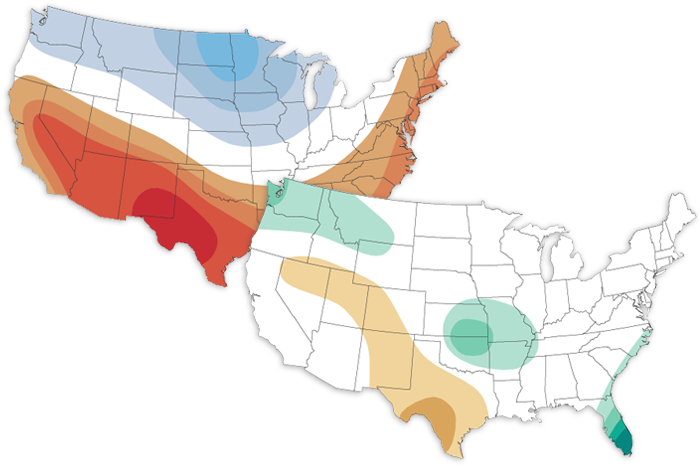
The June climate outlook favors a hotter-than-average start to summer for the southern and eastern United States and a cooler-than-average June for the north-central and northwestern U.S.
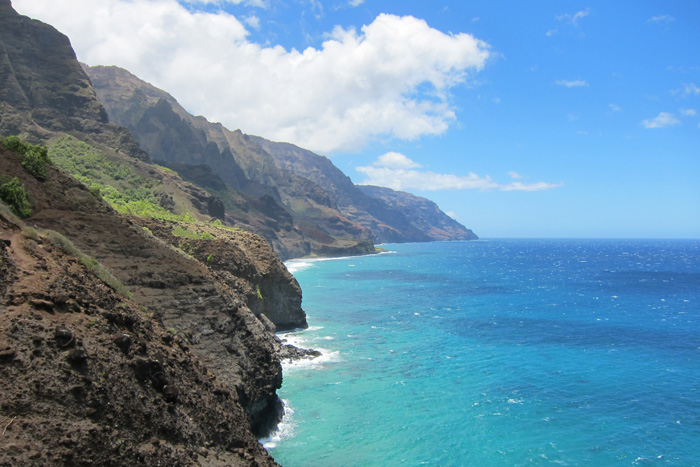
Residents of Hawaii who've felt left out over the years as the ENSO blog has largely focused on the Lower 48, here's a post all your own.
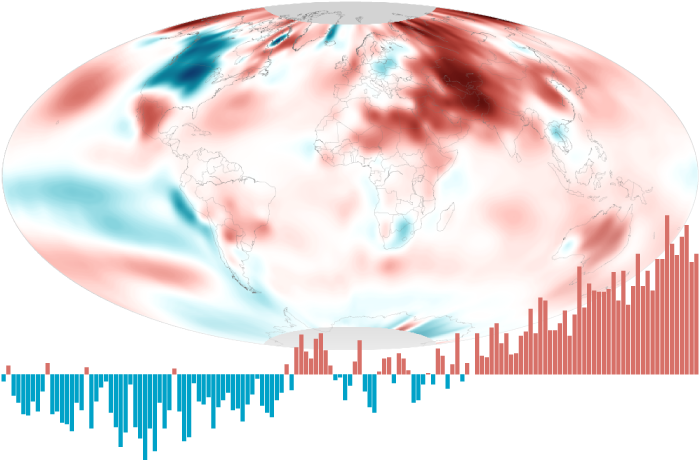
Despite the ongoing La Niña cooling the tropical Pacific, 2022 is virtually certain to be one of the 10 warmest years in the historical record.
As the ENSO blog turns 8, we're looking at the present nobody wanted: a La Niña three-peat looks increasingly likely this winter.
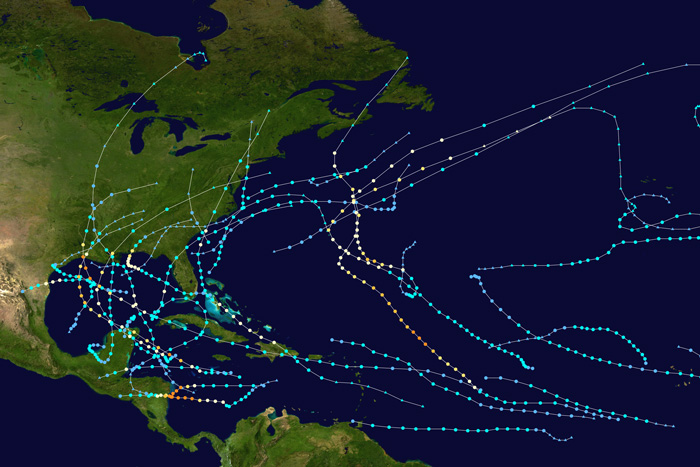
Two NOAA hurricane experts explain why it’s still so hard to say whether global warming to date has affected the number or intensity of Atlantic hurricanes.