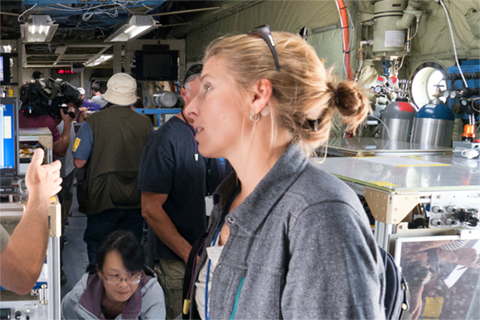
Climate.gov talks with Emily Fischer—an early-career atmospheric scientist and educator who has already made significant contributions to Earth science and fostering greater inclusion of women in the geosciences.
Climate.gov talks with Emily Fischer—an early-career atmospheric scientist and educator who has already made significant contributions to Earth science and fostering greater inclusion of women in the geosciences.
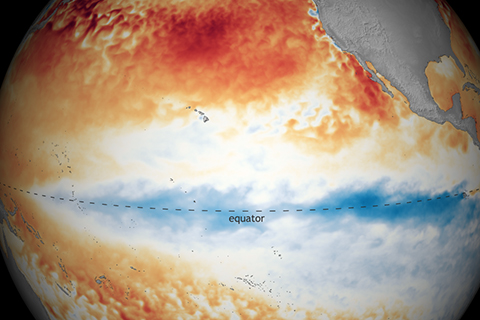
La Niña is likely through the winter, and it could be a moderate or strong event. Our blogger gives you the scoop on the forecast.
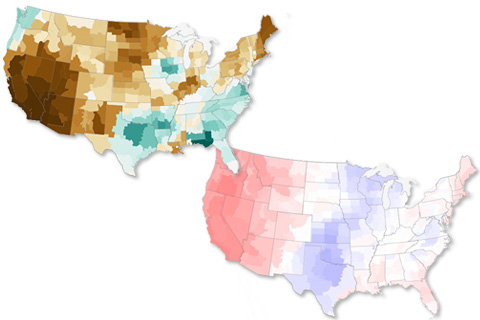
The soaking brought to the Gulf region by tropical cyclones in September 2020 contrasted starkly with the hot, dry conditions in the West.
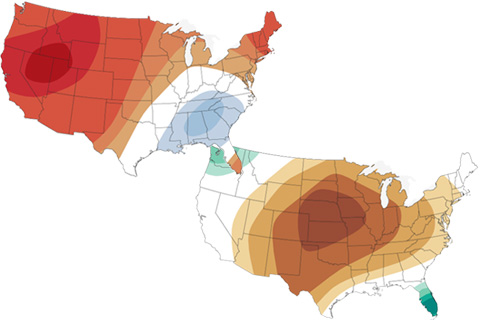
The latest maps from NOAA's Climate Prediction Center show where October 2020 is forecast to be much hotter and drier than average in the U.S. It's not a great outlook for the wildfire-affected West.
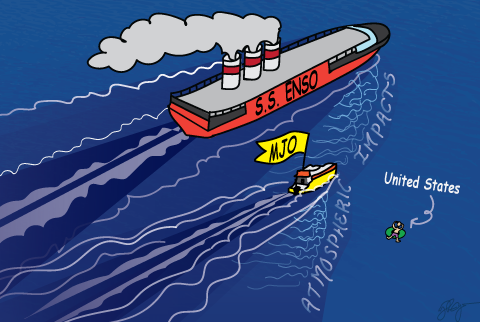
Guest blogger Marybeth Arcodia explains her latest research into how the Madden-Julian Oscillation and ENSO sometimes enhance each other's influence on U.S. precipitation and other times cancel each other out.
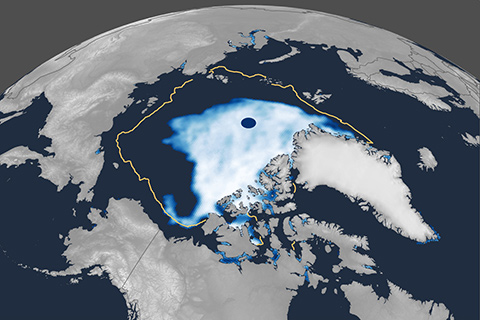
Arctic sea ice extent likely reached its annual minimum for 2020 on September 15. For the second time in the satellite record, sea ice extent dipped below 1.5 million square miles (4 million square kilometers).
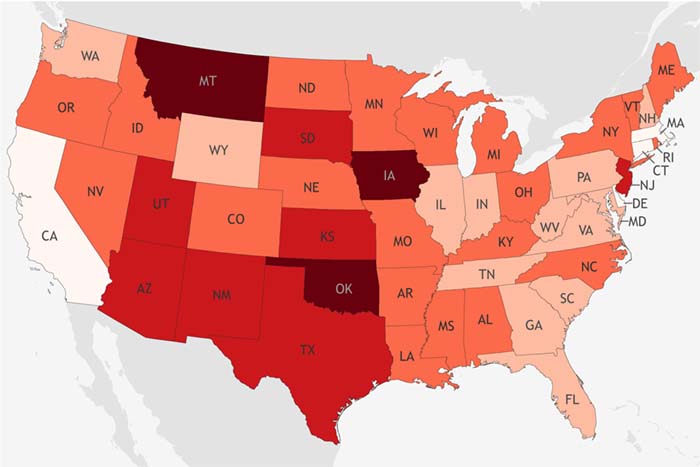
A new NOAA-funded index scores U.S. states' long-term vulnerability to drought, based on a combination of sensitivity, exposure, and their ability to adapt.
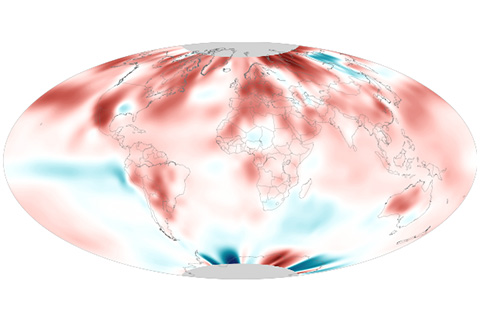
August 2020 was the second-hottest August on record, and it ended the hottest summer on record for the Northern Hemisphere.
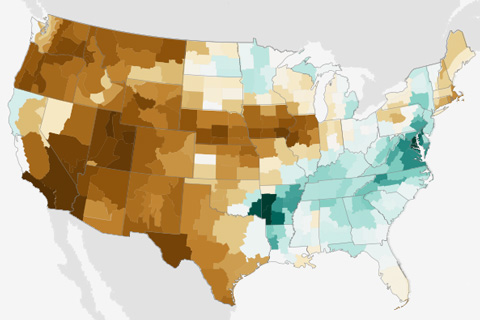
Extreme heat in the U.S. Southwest carried August 2020 into the record books as the country’s third-warmest August in the 126-year record. Despite heavy rain from landfalling tropical cyclones, national average precipitation was in the driest third of the record.
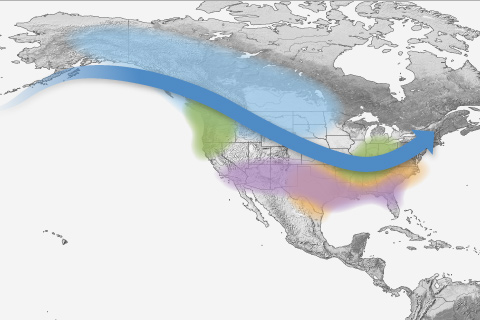
La Niña is here and likely to continue through the winter. Our blogger covers current tropical Pacific conditions and what La Niña can mean for global weather and climate.