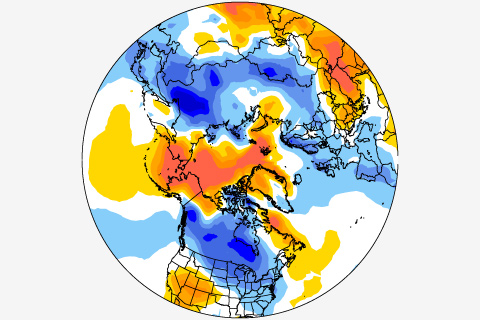
Winter returned with a vengeance to many regions in February and March. Our guest blogger, Dr. Amy Butler, explains why winds in the stratosphere may have been a key player.
Winter returned with a vengeance to many regions in February and March. Our guest blogger, Dr. Amy Butler, explains why winds in the stratosphere may have been a key player.
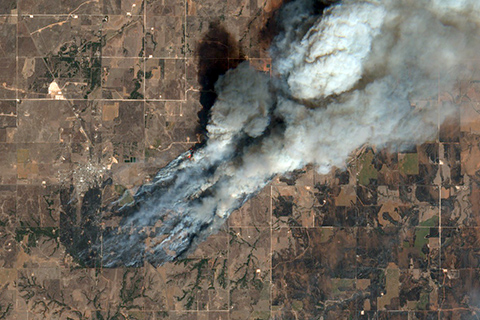
Extremely dry and windy conditions helped rapidly grow and spread wildfires across Oklahoma in April 2018.
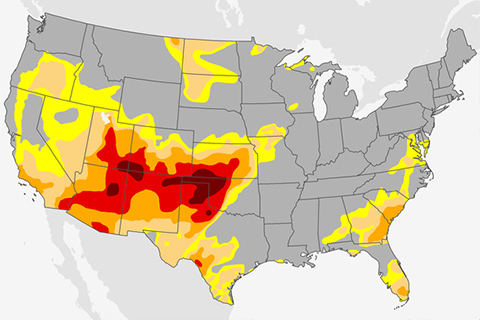
A dry winter set the stage for widespread and severe drought across the Southwest and Southern Plains.
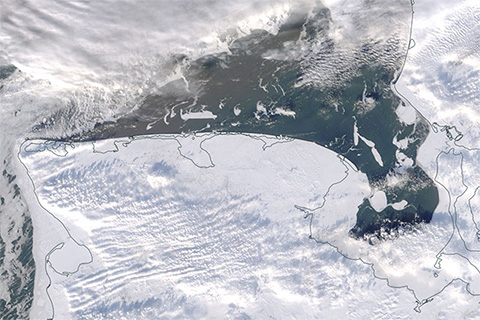
A lack of persistent sea ice in waters around the Bering Strait this winter disrupted travel, damaged roads and other infrastructure, and prevented traditional hunting and fishing in several coastal communities in western Alaska.
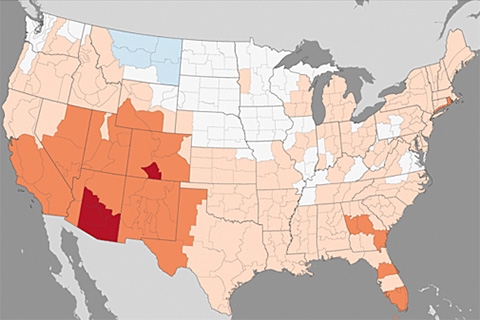
A quick spin around the March 2018 U.S. climate scene, all else being equal.
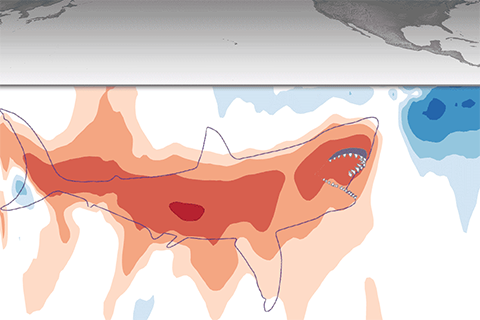
La Niña is dwindling, and a return to ENSO-neutral conditions is imminent. Our blogger discusses the current forecast.
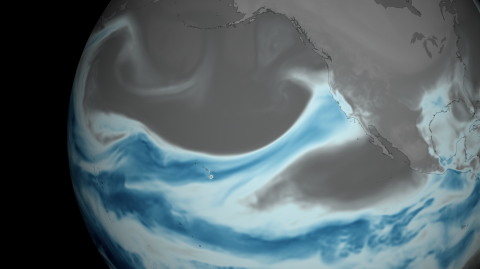
Usually a winter phenomenon, another late-season atmospheric river brings soaking rains to northern California.
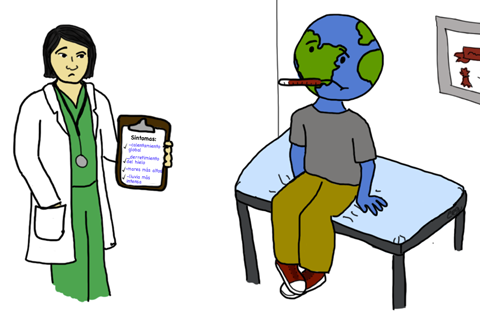
El calentamiento global es un síntoma del problema mucho más grande del cambio climático causado por los humanos.
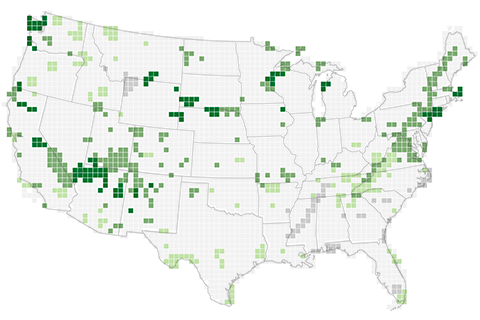
A recent analysis of 276 National Parks found that about three-quarters of them are experiencing earlier springs. The changes in when leaves and flowers emerge affect not just pollinators, but also park staff, who have to budget and prepare for earlier visitors.
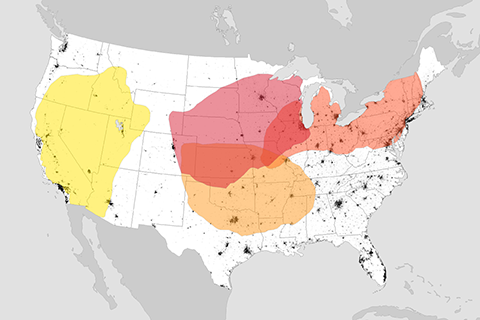
Global warming will make heat waves hotter, longer, and more frequent. Communities in the U.S. West and the Great Lakes region may have the least time to prepare.