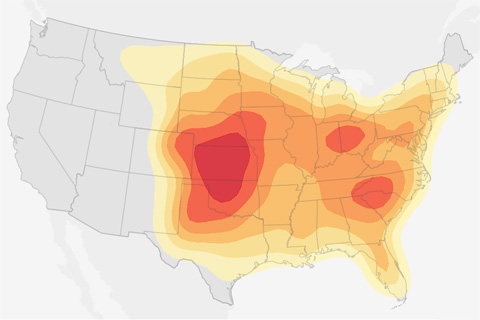
For some parts of the U.S., the historical probability of severe weather peaks in late spring. But where are the summer “hot spots” for severe weather?
For some parts of the U.S., the historical probability of severe weather peaks in late spring. But where are the summer “hot spots” for severe weather?
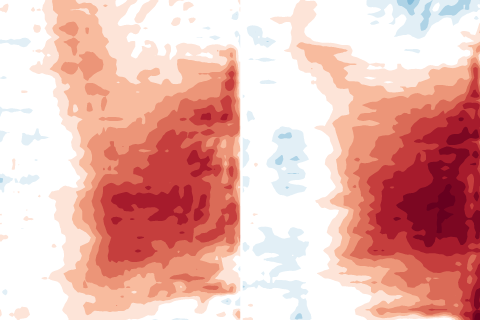
El Nino is over! What's next in the exciting world of the tropical Pacific?
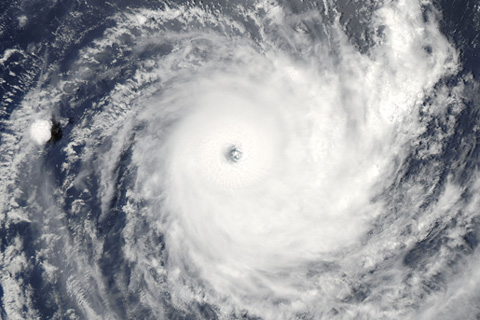
This year's Atlantic hurricane outlook comes with relatively high uncertainty. One challenge: figuring out if the Atlantic Ocean climate pattern that favors active hurricane seasons has shifted gears.
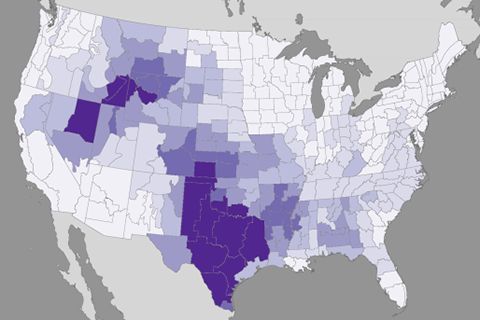
This week's Beyond the Data blog examines how spring precipitation influences summer temperatures, and why this matters a little more in land-locked areas. Flyover Country, from one of your native sons, this blog’s for you.
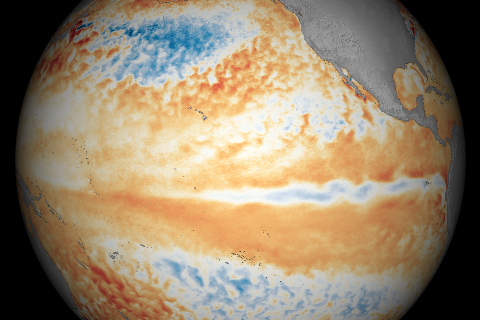
A deep pool of cool water that had been lurking beneath the surface of the eastern tropical Pacific in April began to emerge at the surface in May 2016.
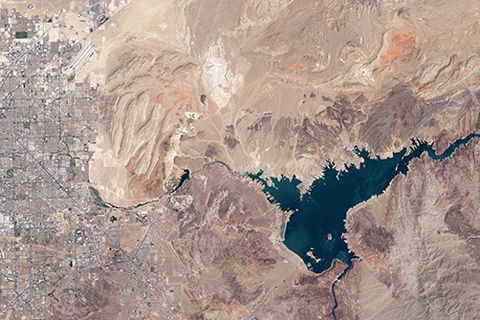
Using climate simulations, water managers in the Colorado River basin helped helped stakeholders imagine and prepare for future risks.
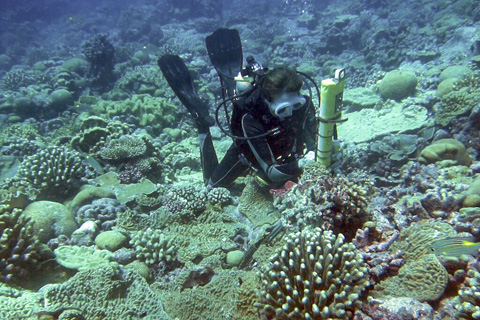
It's been a tough year for the globe's coral and the scientists who use coral to paint a picture of ENSO back thousands of years.
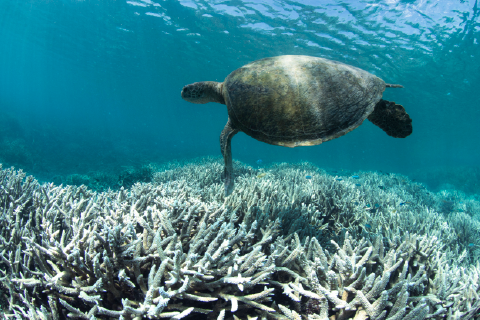
After a severe coral bleaching event struck the Great Barrier Reef, what does a future of climate change mean for the reef?
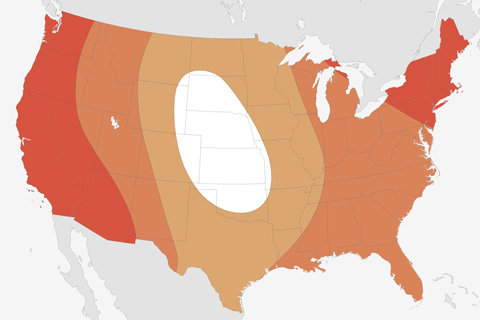
Most of the continental United States is facing elevated chances of well above average summer temperatures, according to the latest outlook from NOAA’s Climate Prediction Center.
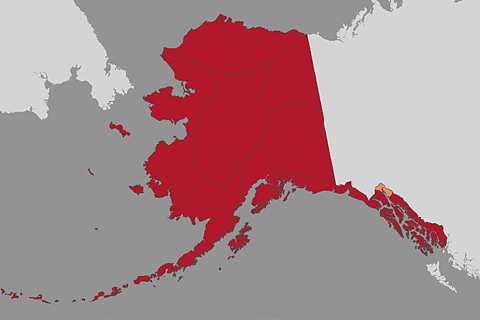
Alaska’s statewide warming rate of +5.3°F per century since 1950 is faster than any other state in the Union, by a comfortable margin. In our latest Beyond the Data blog, NCEI's Deke Arndt talks about how the interplay between climate and landscape and the soil itself put the Last Frontier on the front lines of climate change.