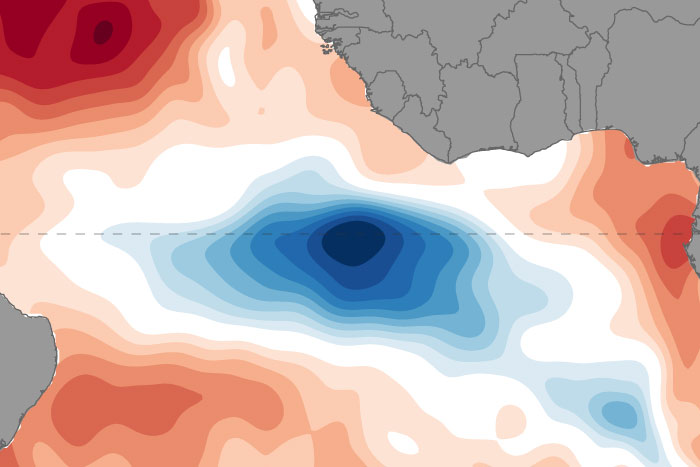
After a record-warm spring, the eastern Atlantic Ocean at the equator cooled off dramatically. What's going on, and how might it affect weather in the region this summer?
After a record-warm spring, the eastern Atlantic Ocean at the equator cooled off dramatically. What's going on, and how might it affect weather in the region this summer?
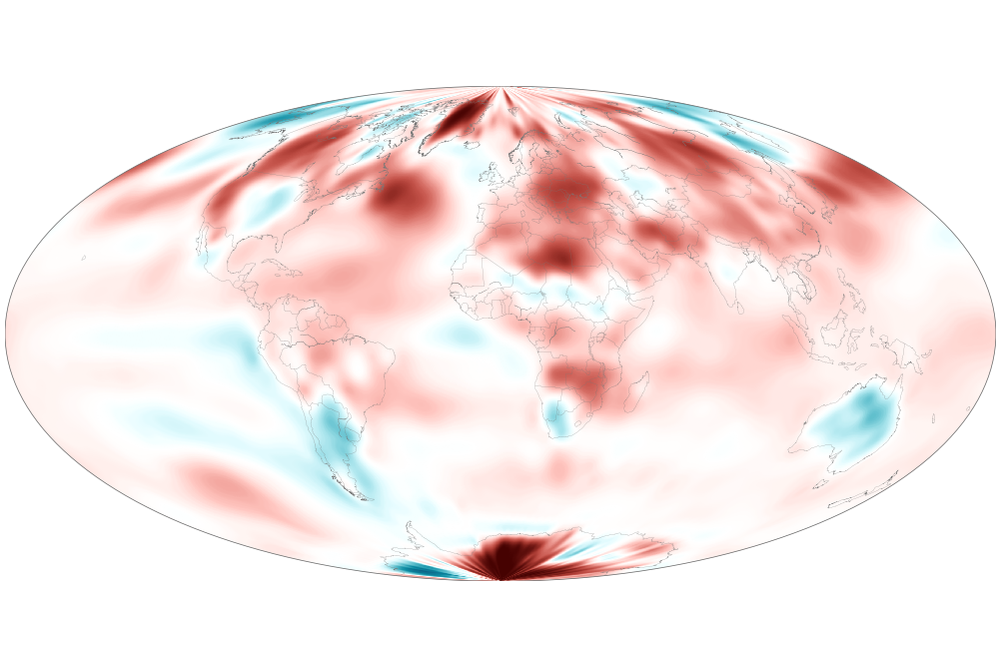
July global surface temperatures were the warmest on record for the month and marked the 14th consecutive month of record-high global temperatures.
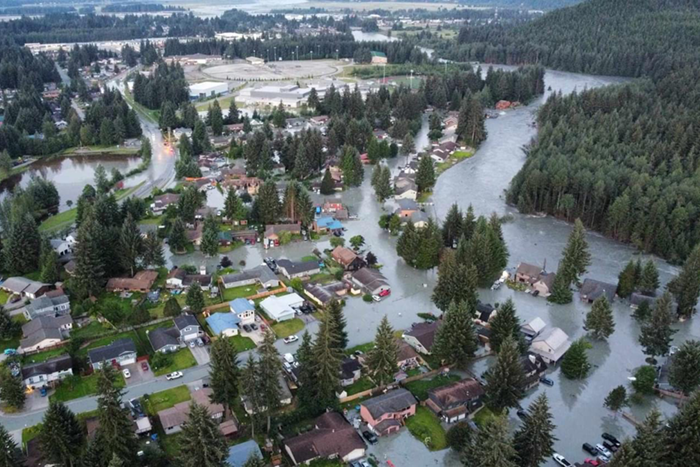
An outburst flood from the Mendenhall Glacier sent a record amount of water toward Juneau, Alaska, for the second year in a row.
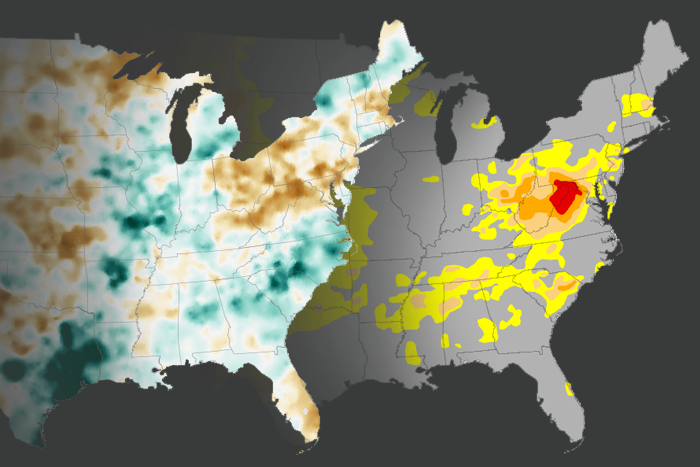
Record precipitation, tornadoes, hurricanes, and wildfires impacted the U.S.; four new billion-dollar weather and climate disasters were confirmed in July.
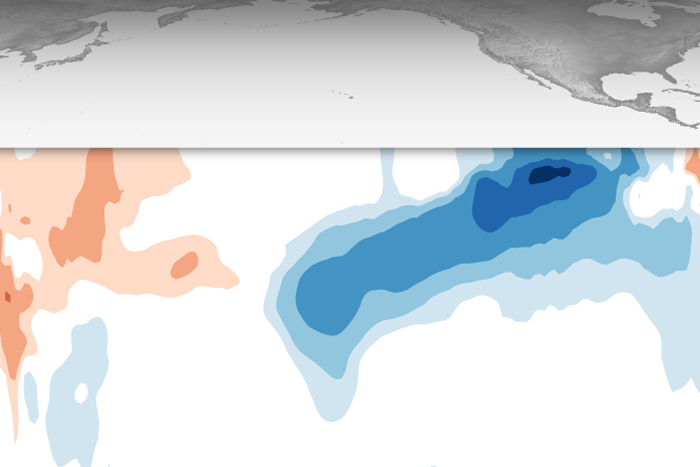
The dog days of summer have slowed down La Niña's arrival, but odds are still high for an event by fall.
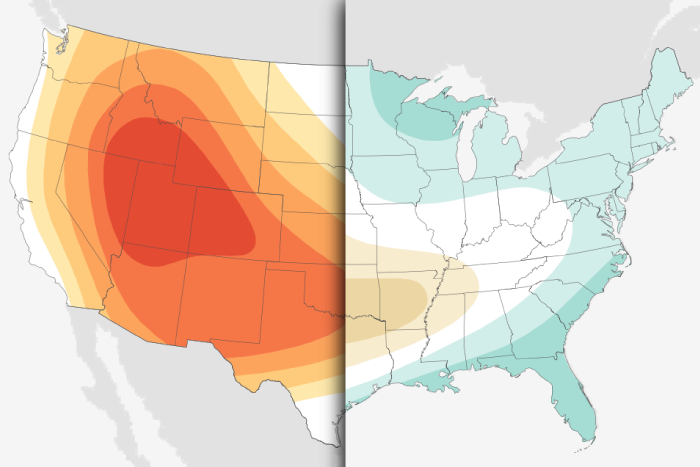
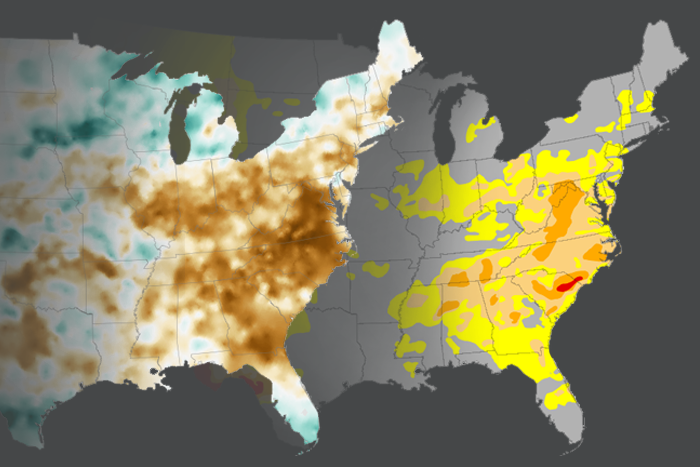
Warmer-than-normal conditions are favored across the U.S. for the last month of meteorological summer. Rain in the East could alleviate drought.
Interested in how ENSO may impact your investments? Our guest blogger goes over one way that ENSO impacts the financial markets.
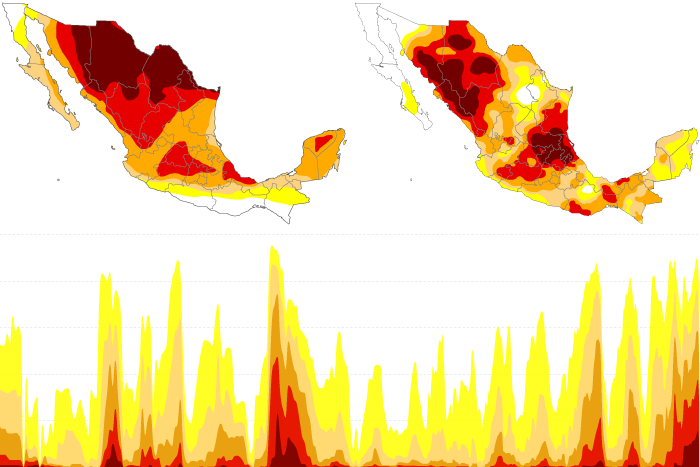
Mexico's worst drought since 2011 has caused water scarcity, agricultural concerns, and worsened heat waves so far in 2024.
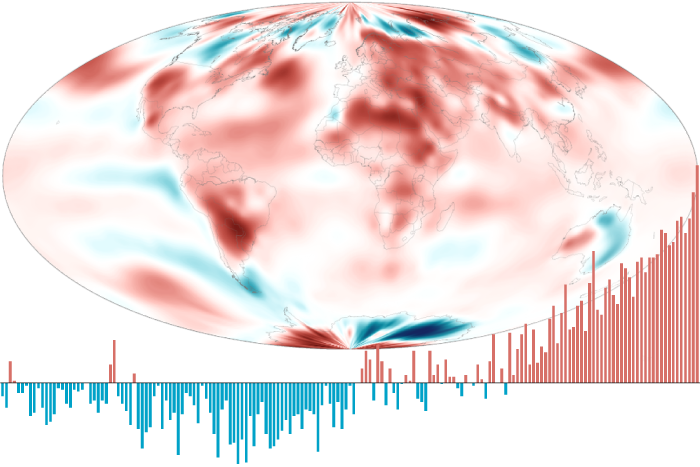
Global temperatures were record warm for the 13th consecutive month, tying for the longest record-warm global temperature streak on record.
Record-breaking heat waves impacted tens of millions of people in several parts of the country.