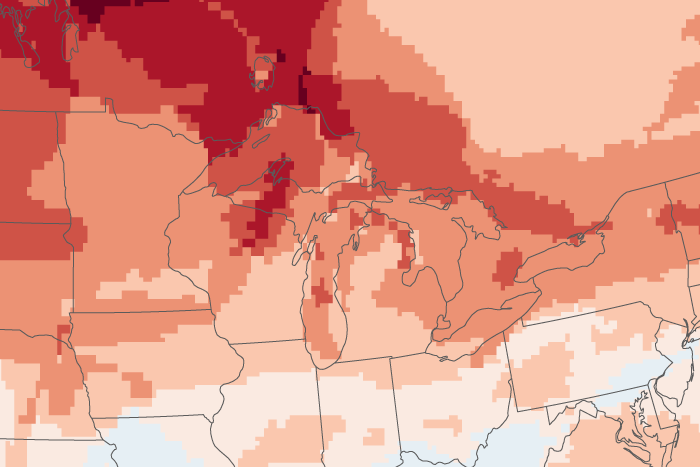
There's a 62% chance La Niña will develop this summer. Our blogger has your ticket to the whole show!
There's a 62% chance La Niña will develop this summer. Our blogger has your ticket to the whole show!
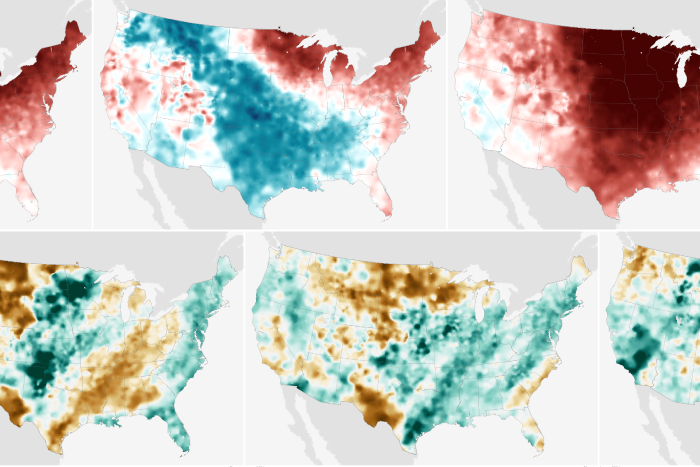
It was the warmest winter on record for the contiguous U.S.
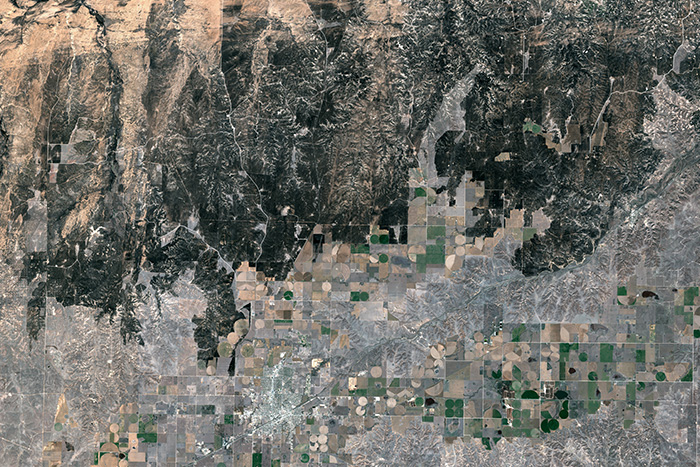
The area where the megafires broke out wasn't even in drought. Conditions deteriorated rapidly in less than a week.
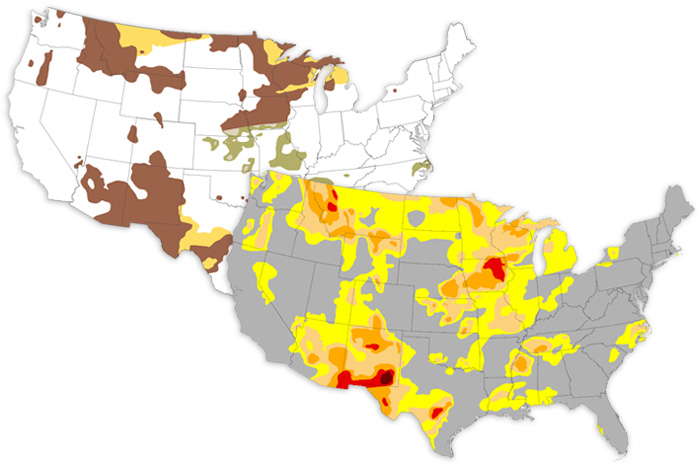
Warm and dry or cold and wet? NOAA's monthly climate outlook lays out the odds.
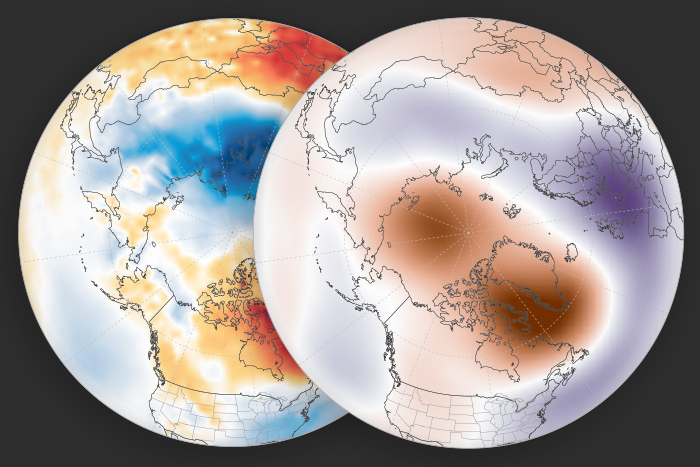
Cold in the eastern U.S. can be a side effect of a sudden stratospheric warming event. But how reliable is it?
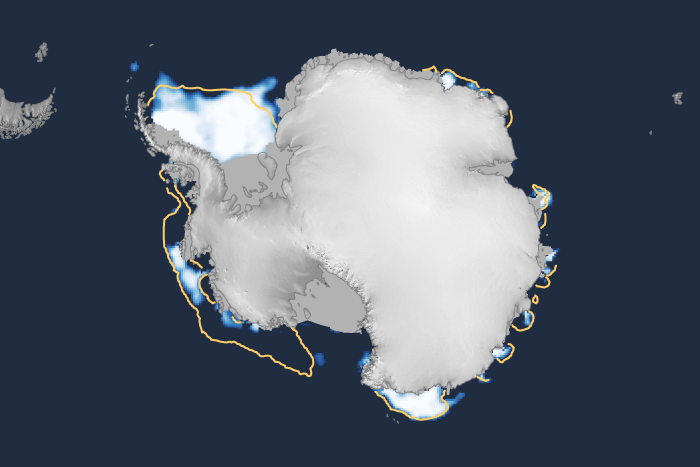
Experts say it’s too soon to call the recent string of very low ice years an emerging response to climate change, but the evidence in that direction is growing.
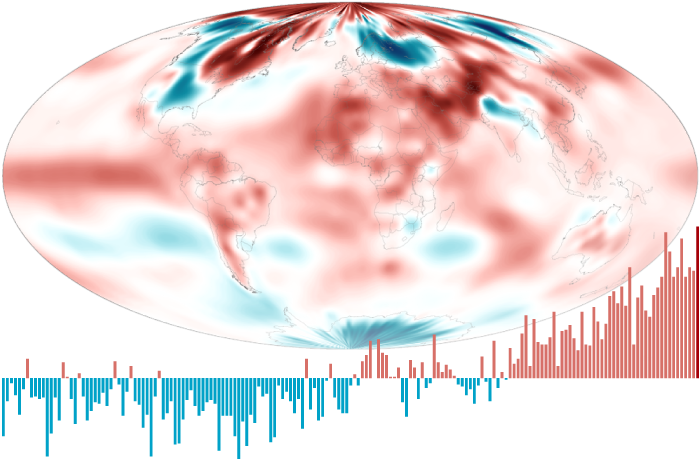
Earth had another record-warm month. It was also the second-wettest January on record.
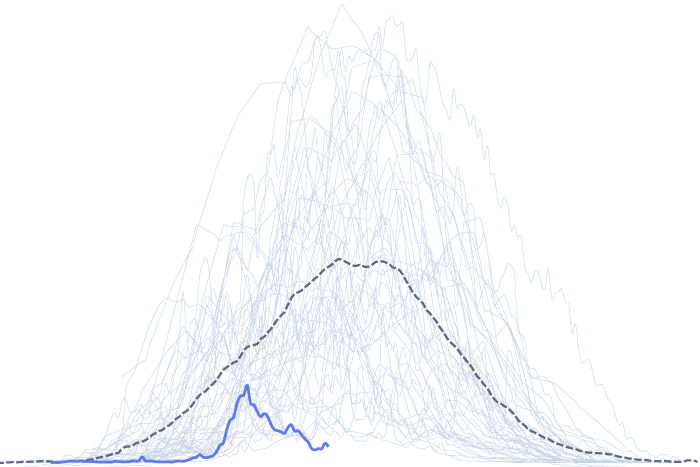
Well-above normal winter warmth across the Great Lakes has some lakes nearly (if not completely) ice free, when they should be approaching their seasonal highs.
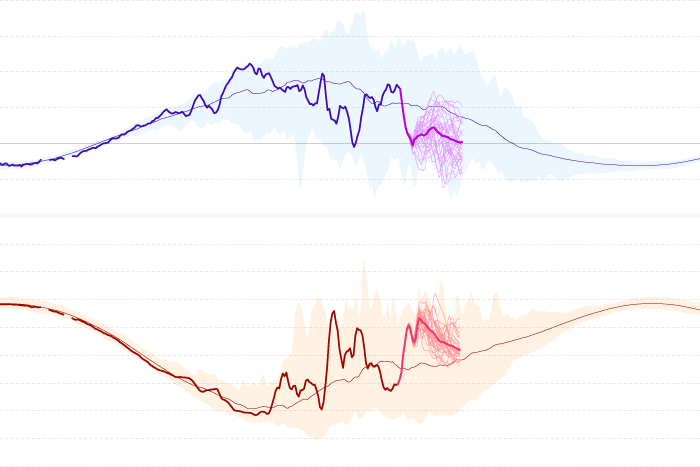
After a brief respite, the stratospheric polar vortex is expected to weaken again, and another major sudden stratospheric warming could be on the way.
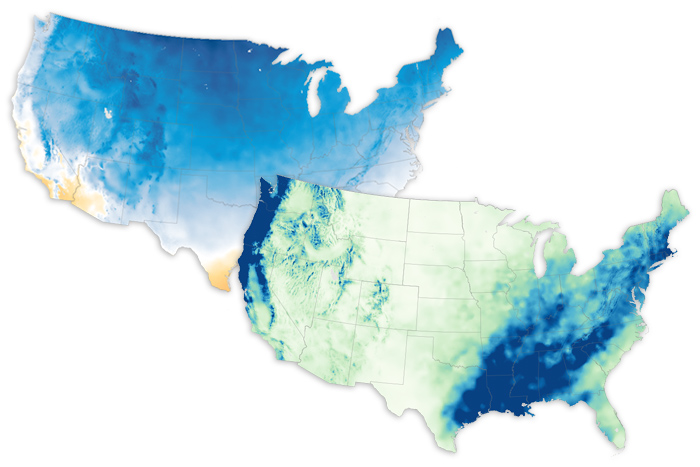
An arctic air mass brought bitter cold and snow to much of the nation in mid-January; powerful storms brought heavy rainfall and flooding to parts of the Southern Plains.